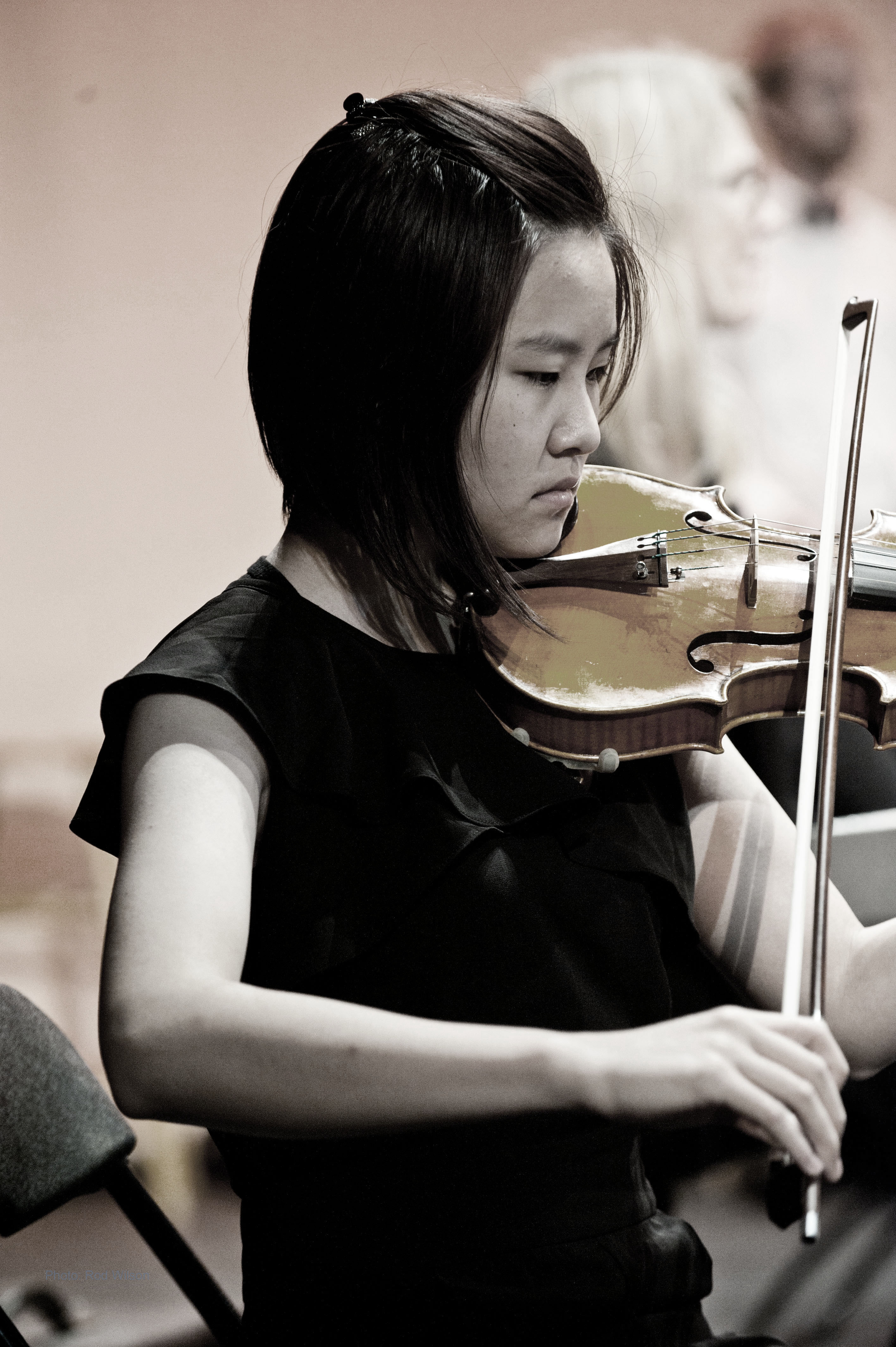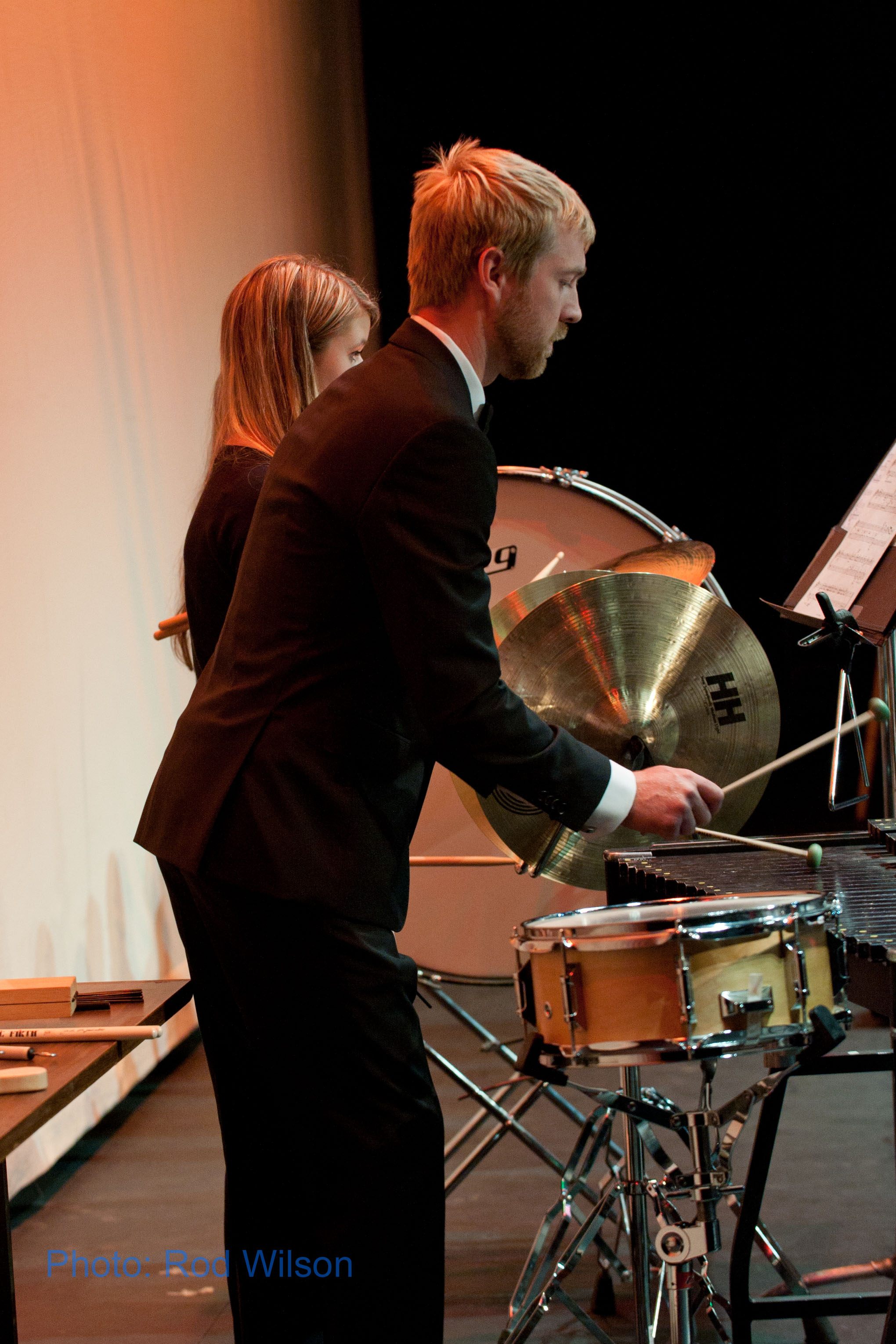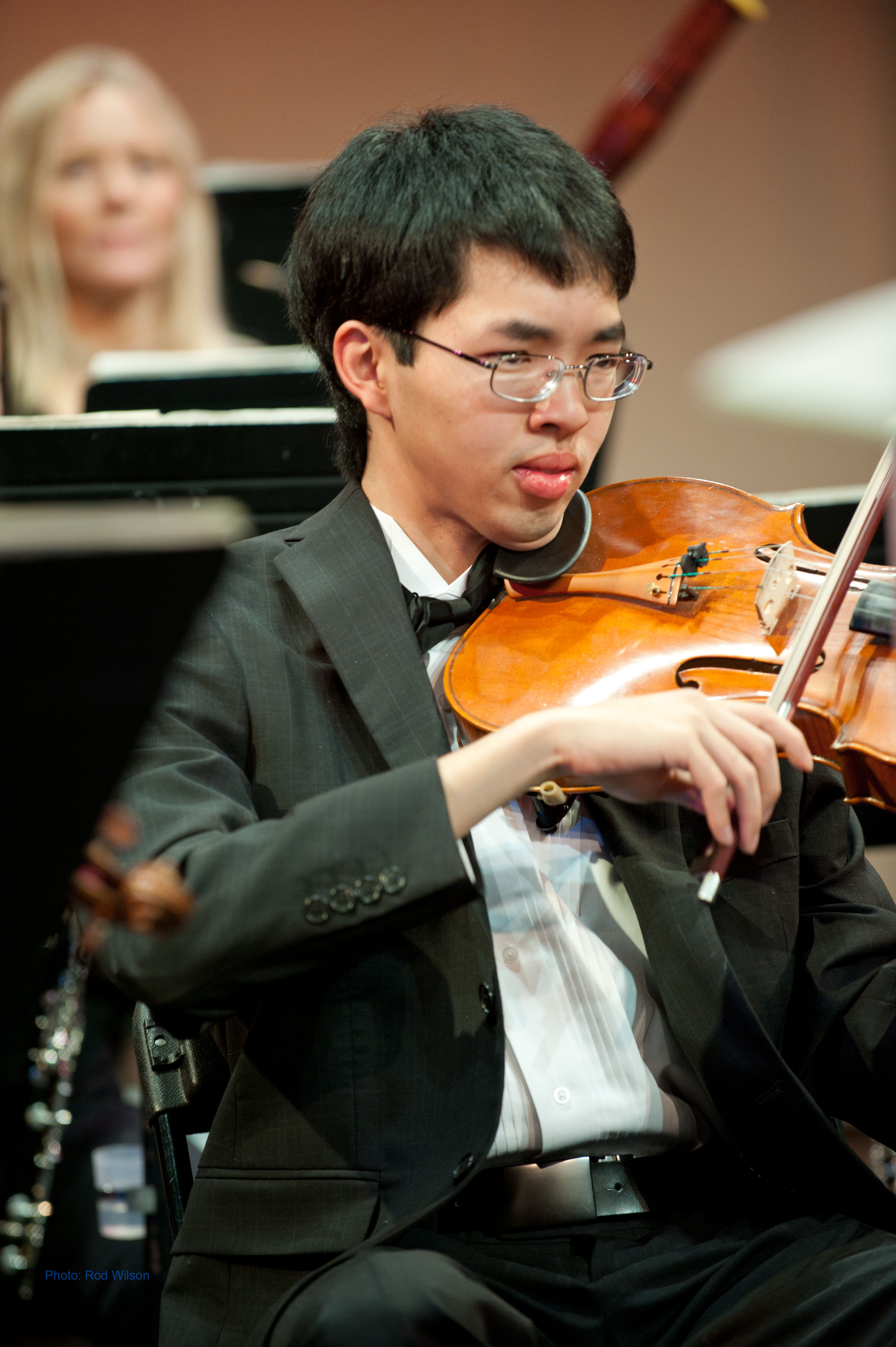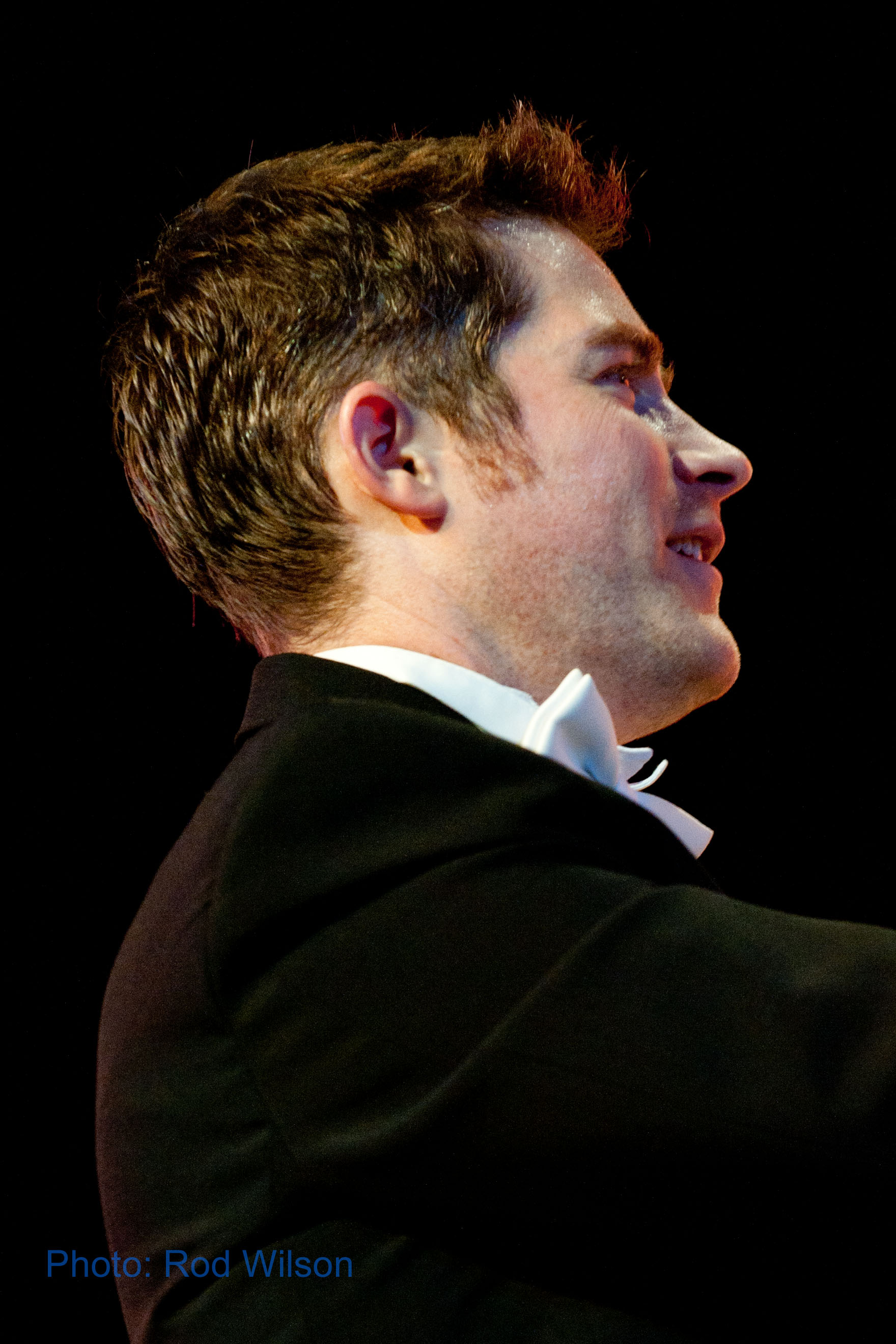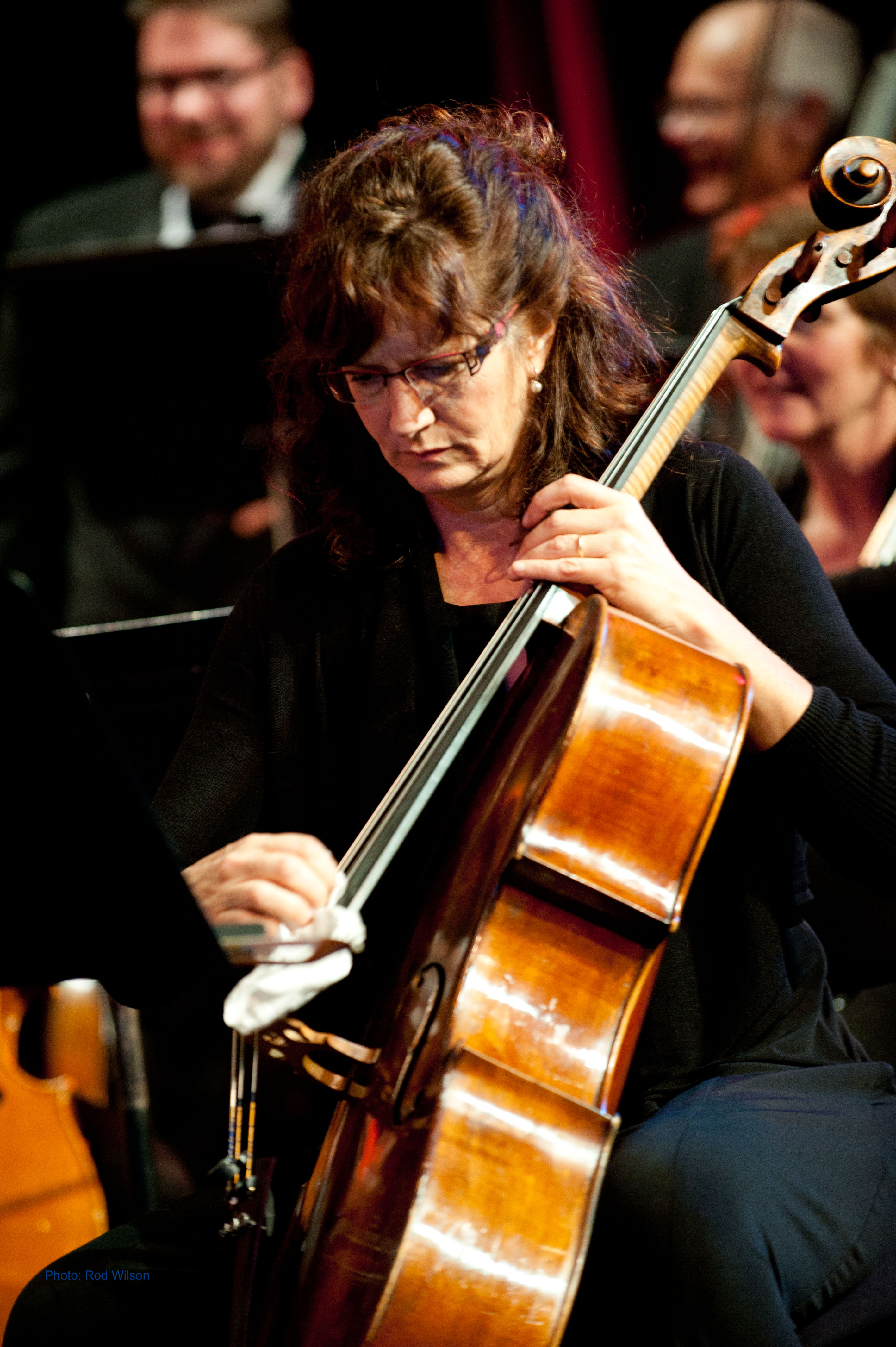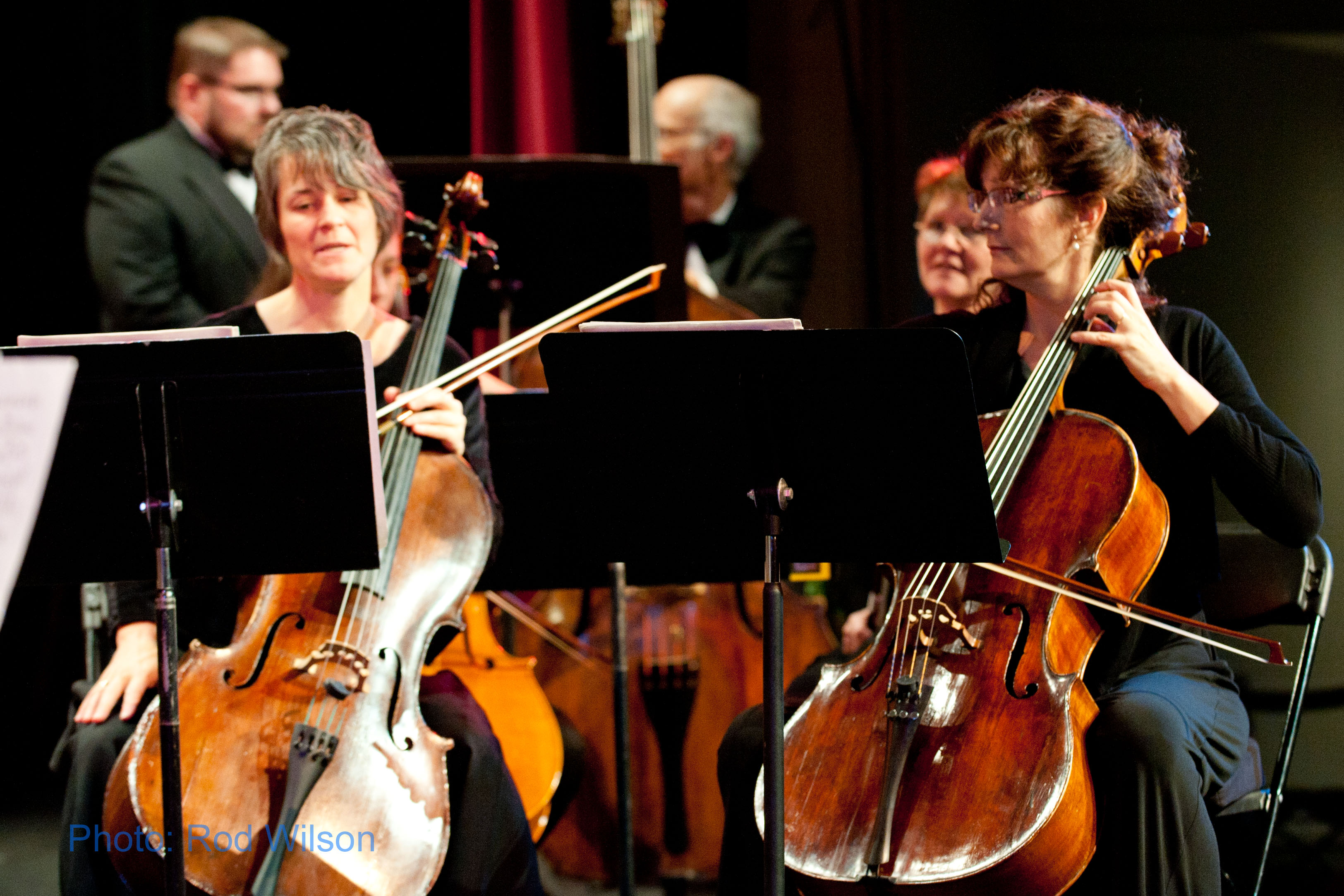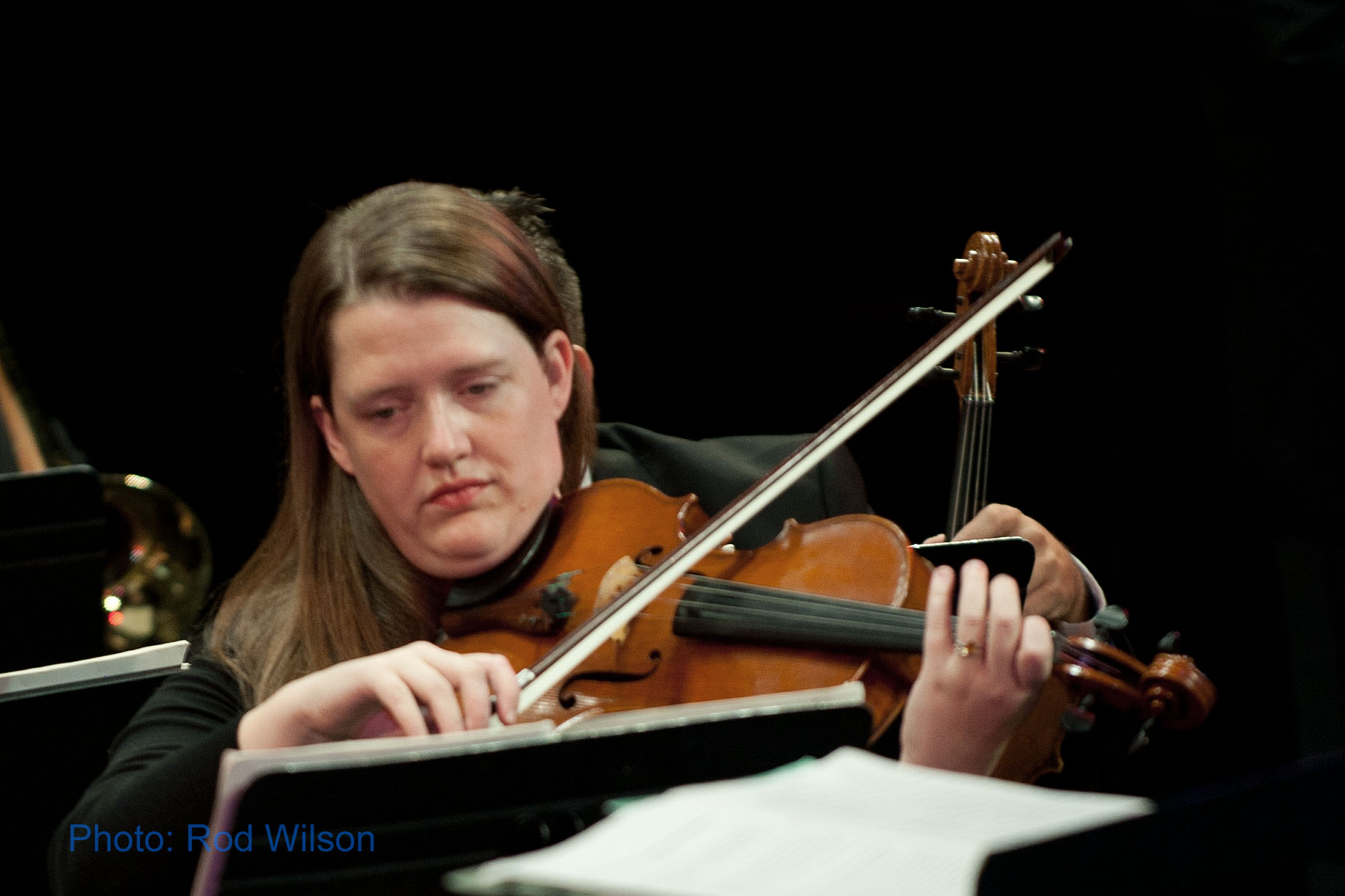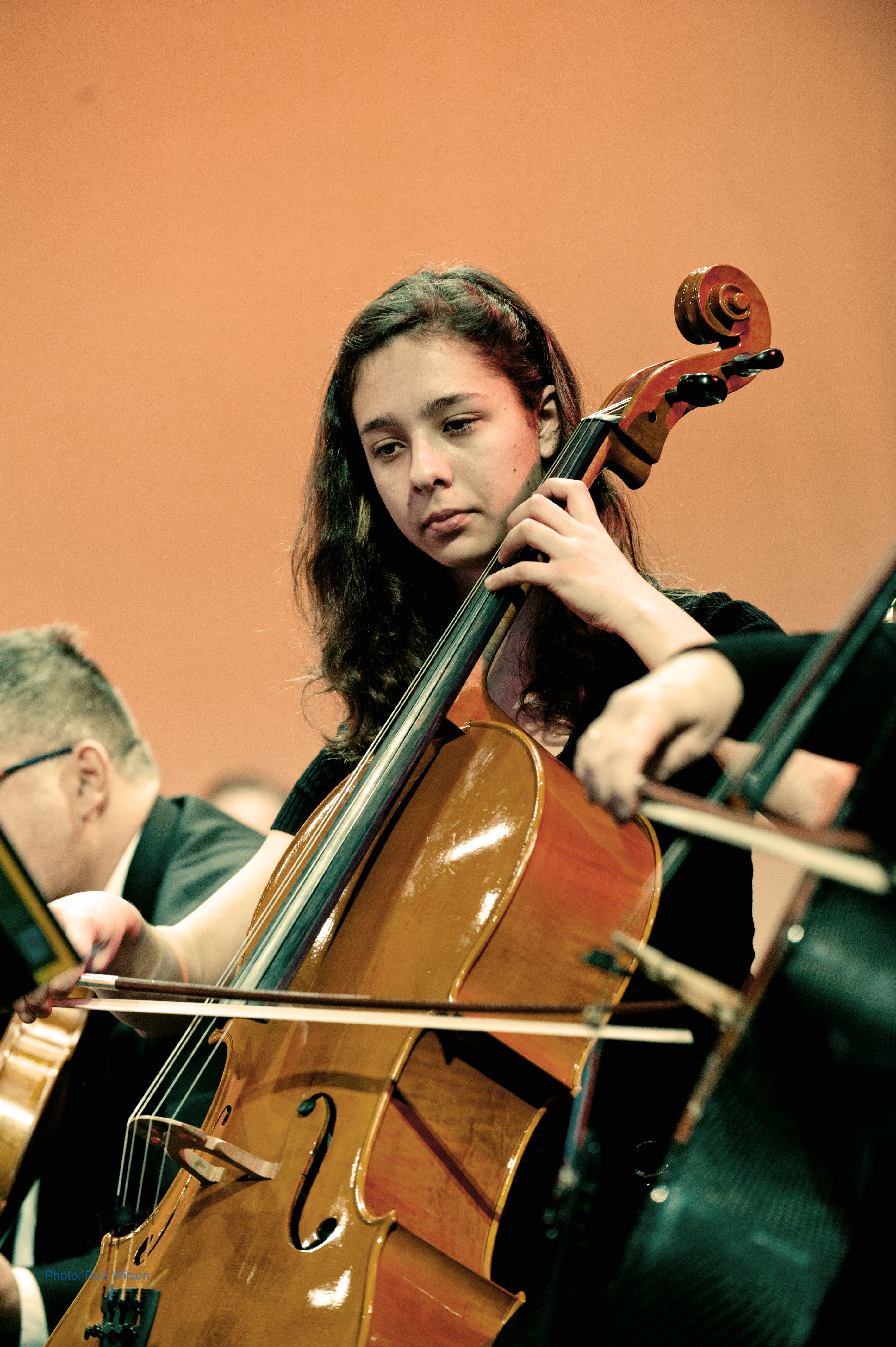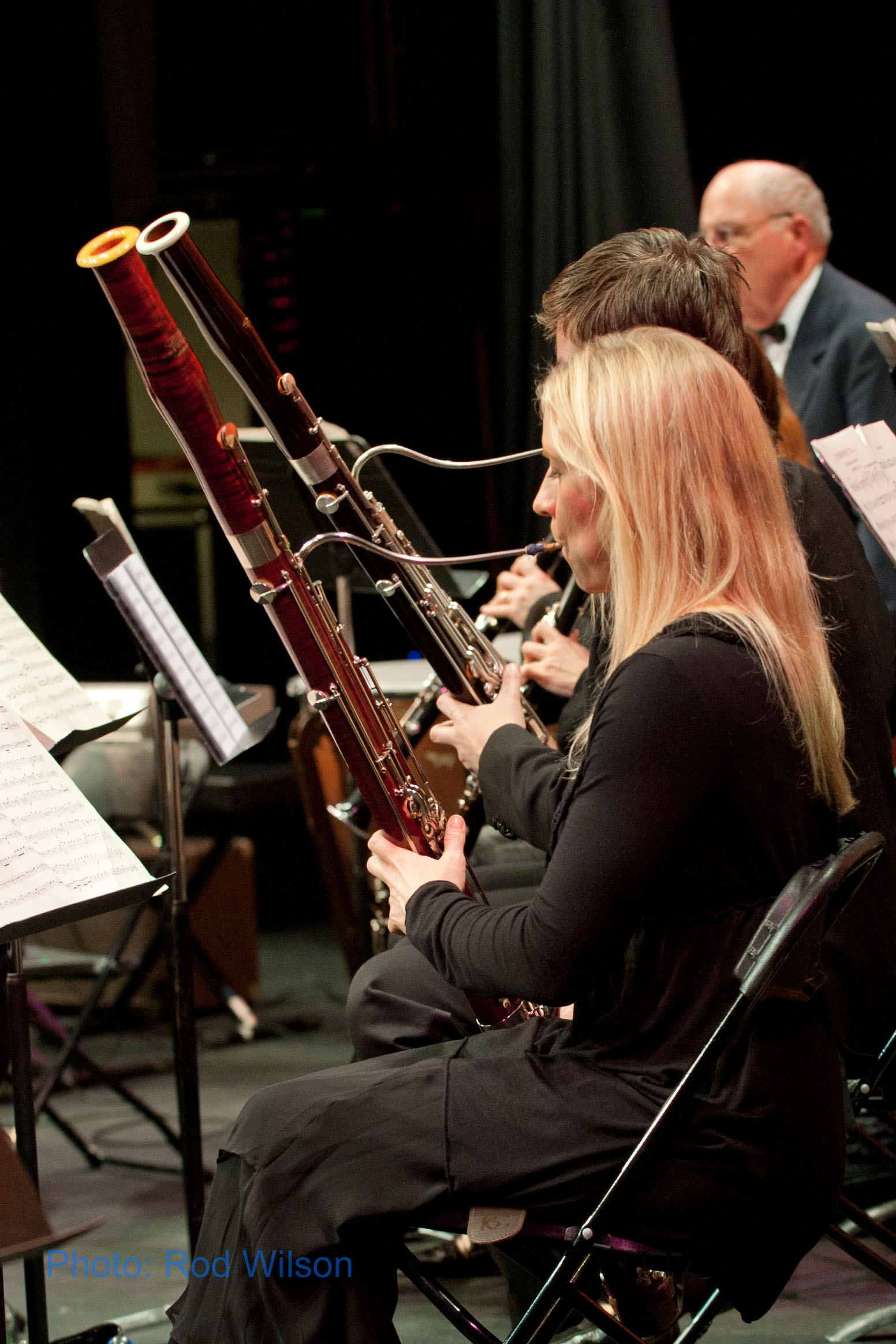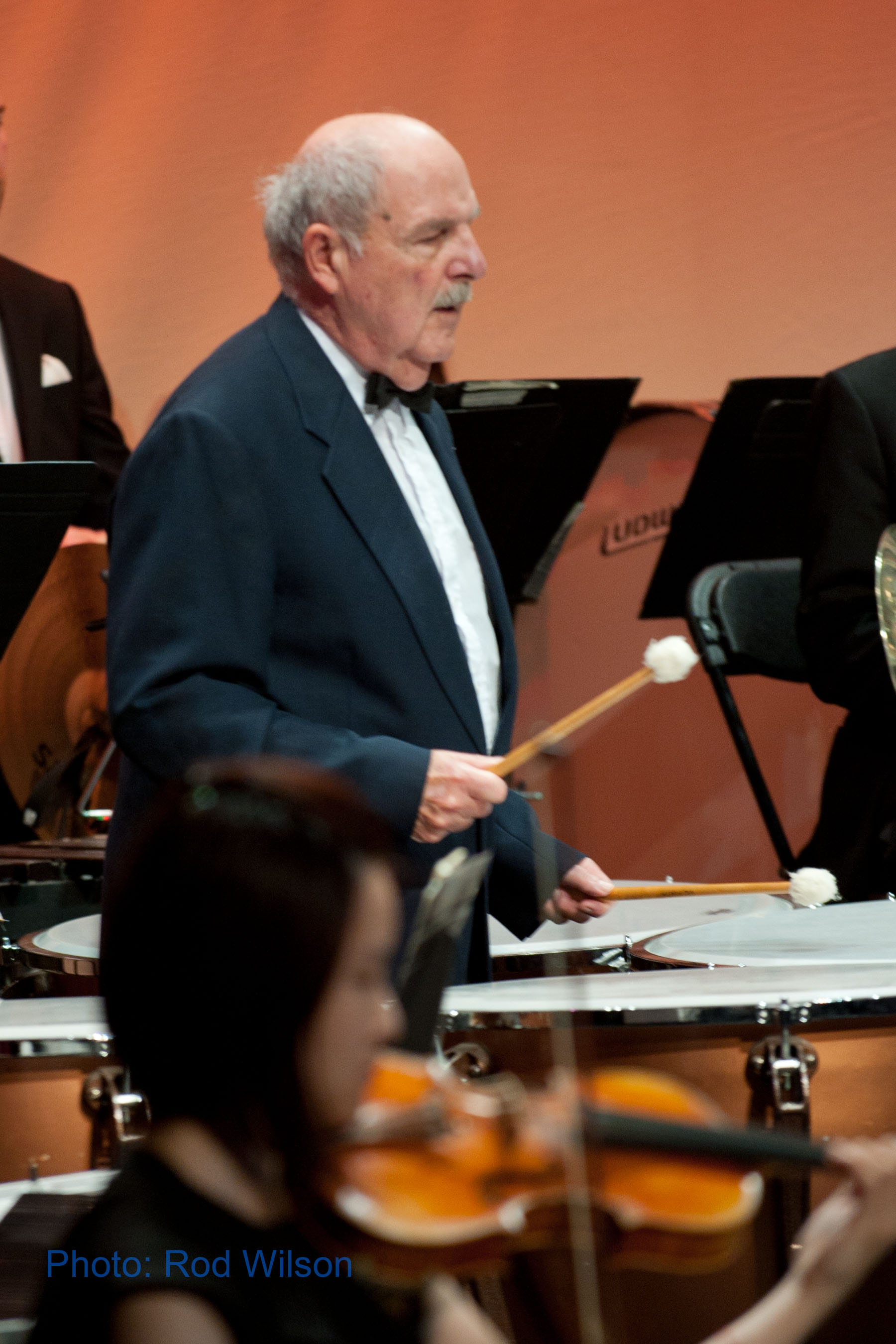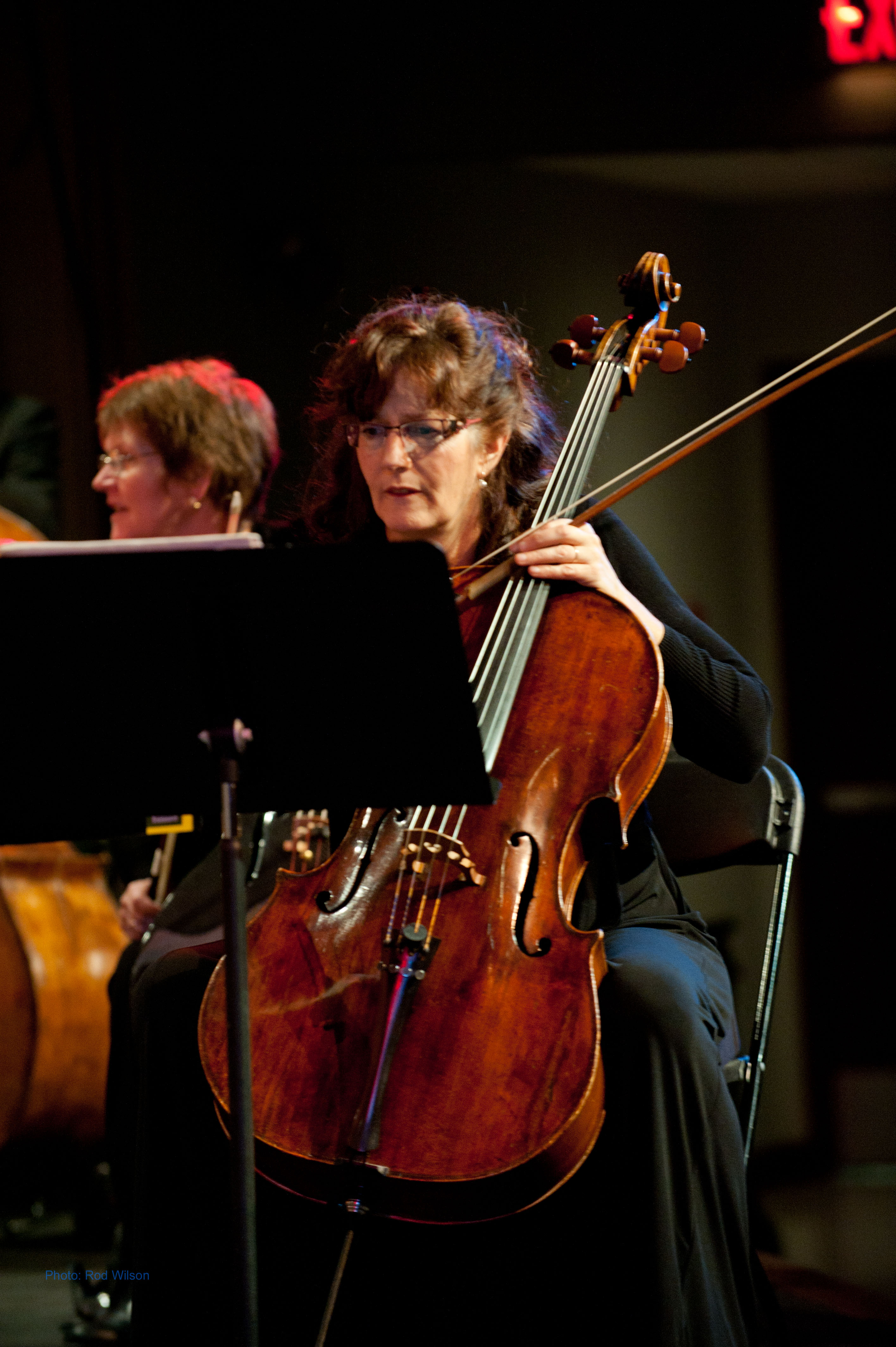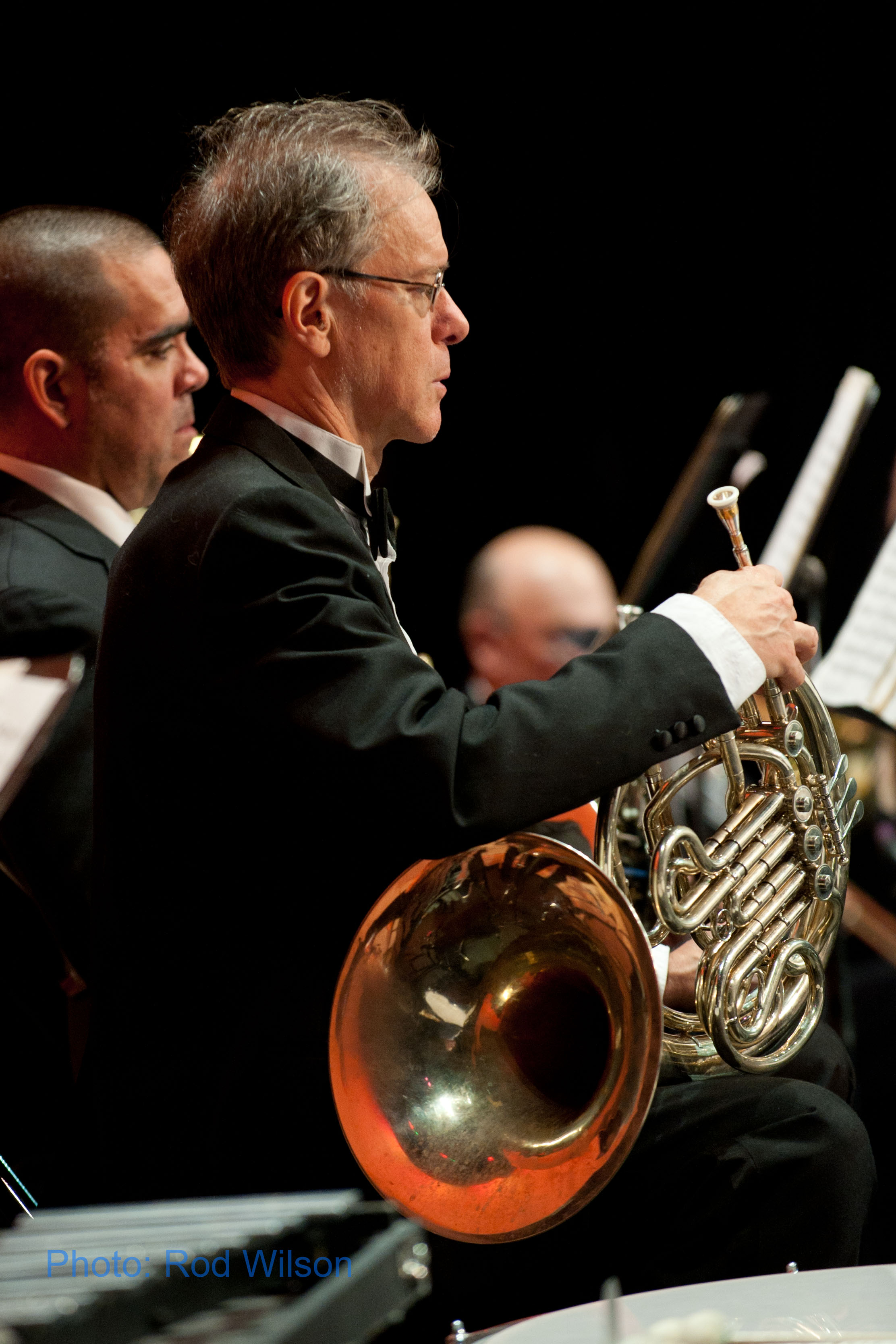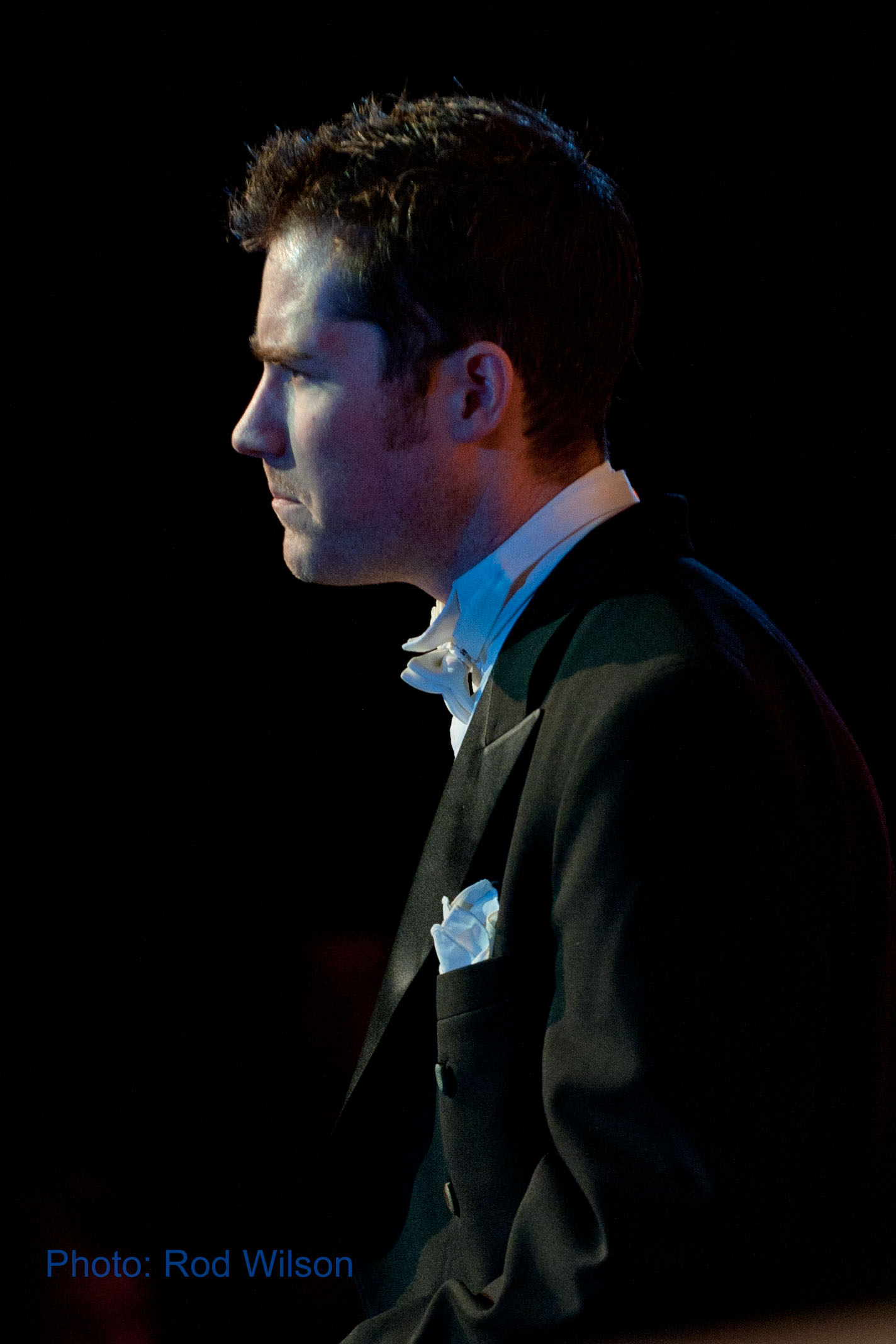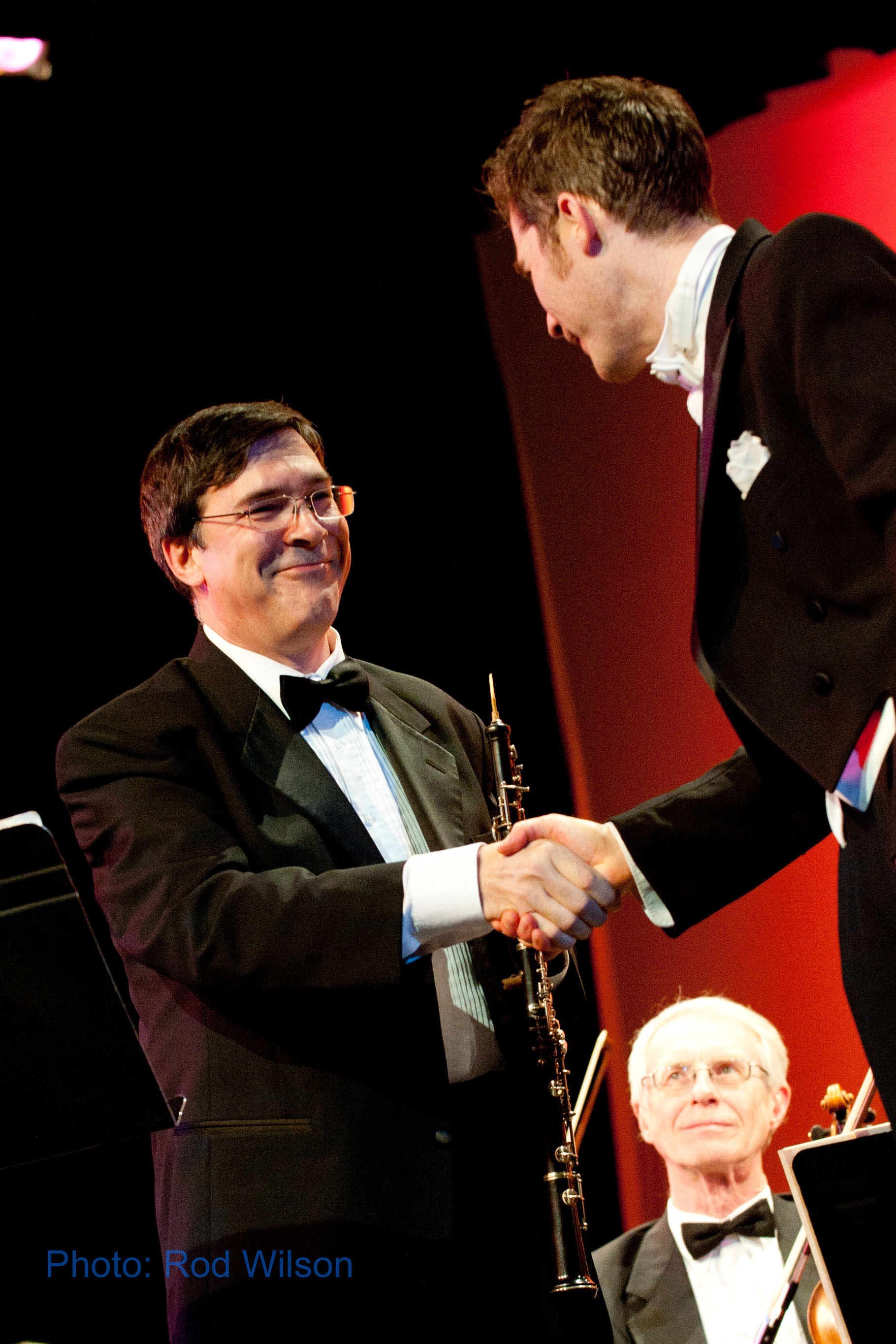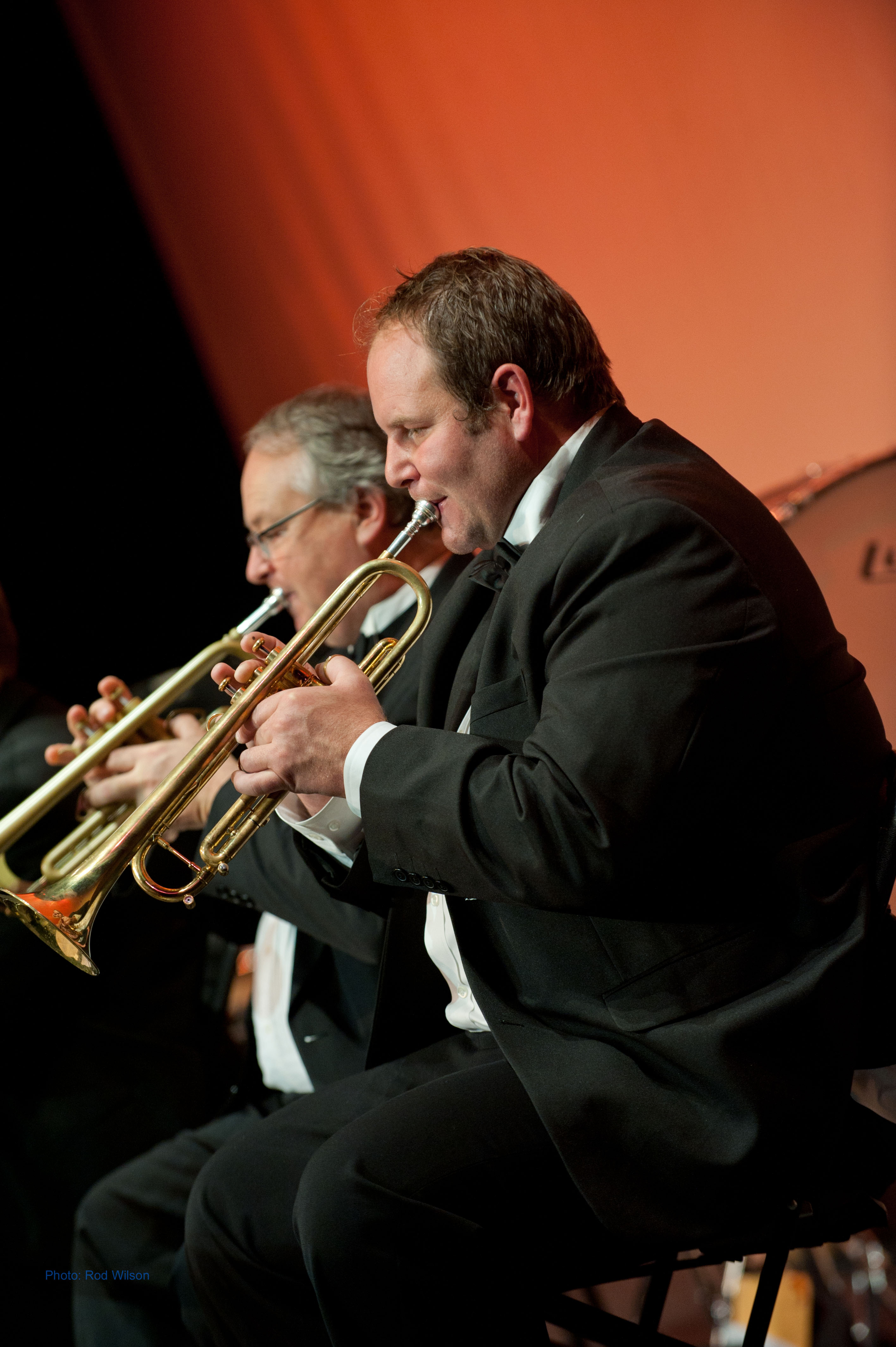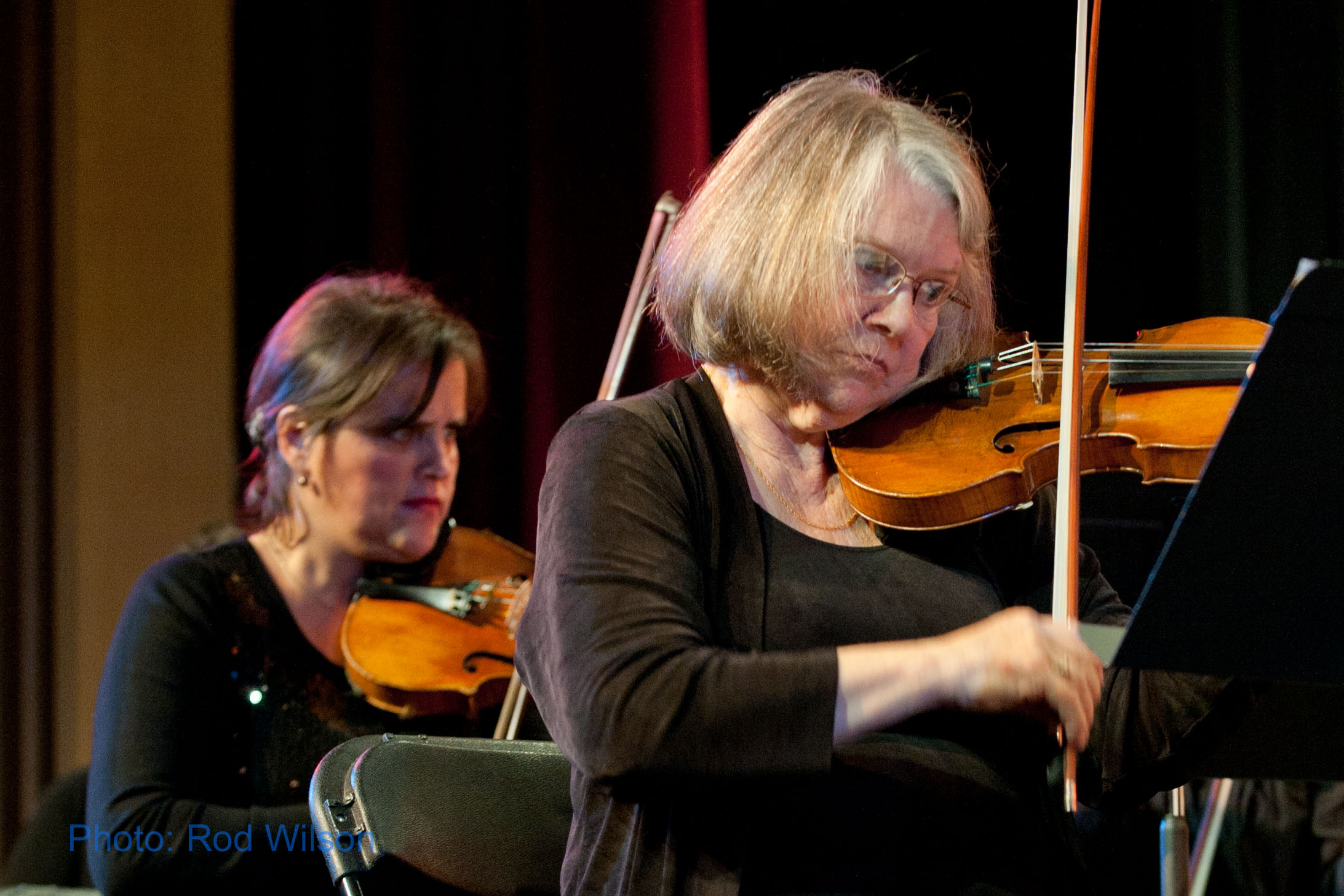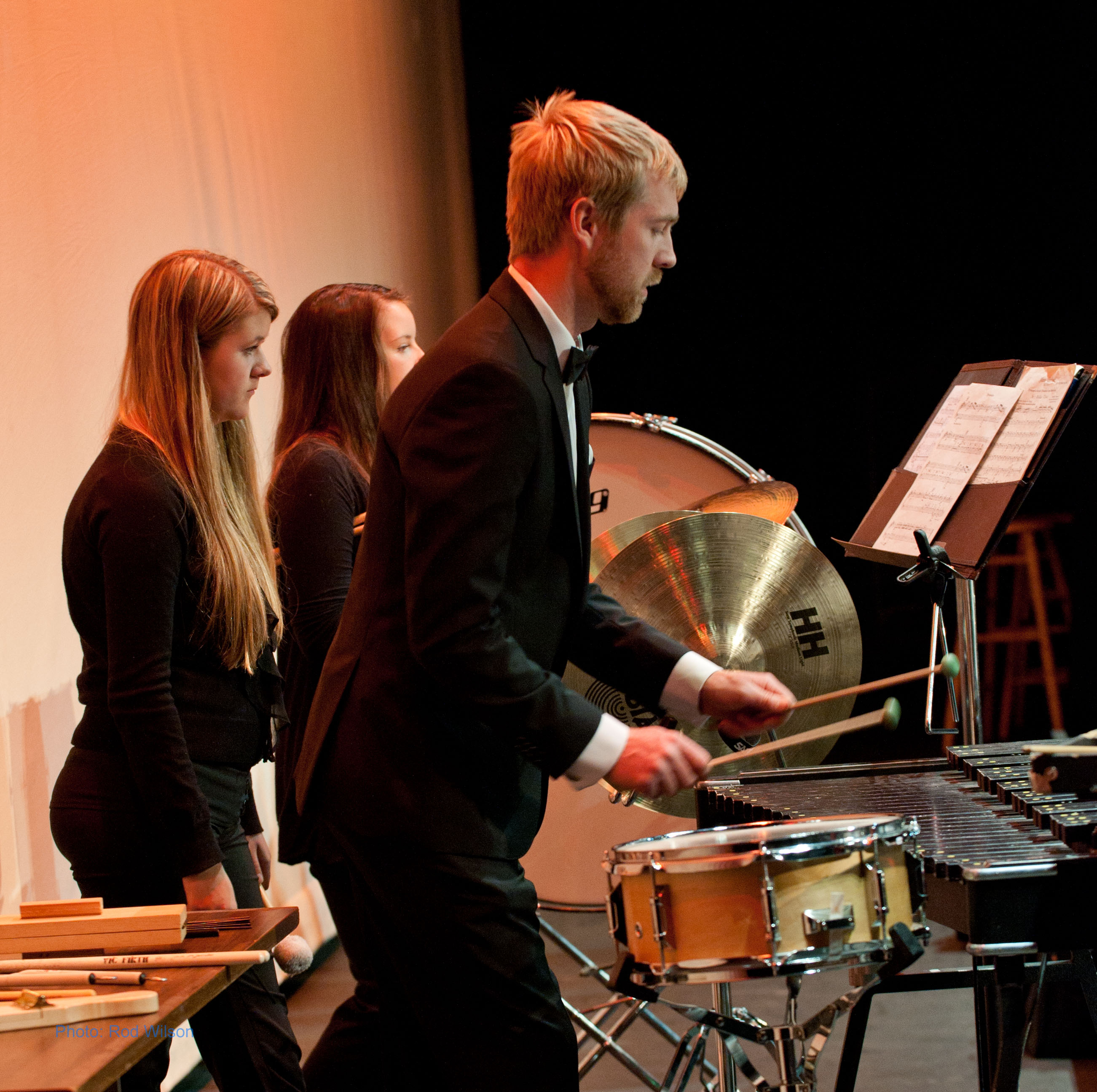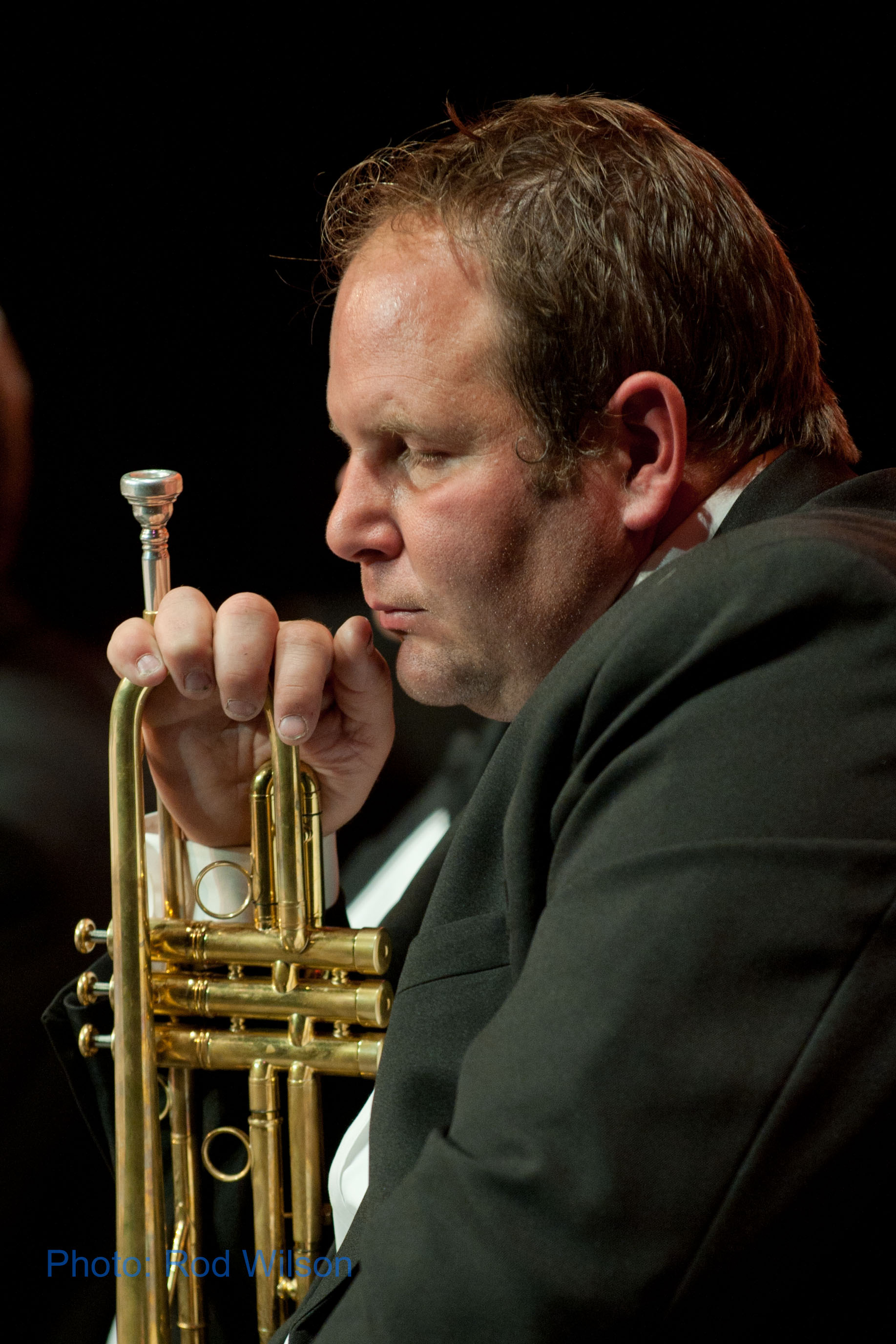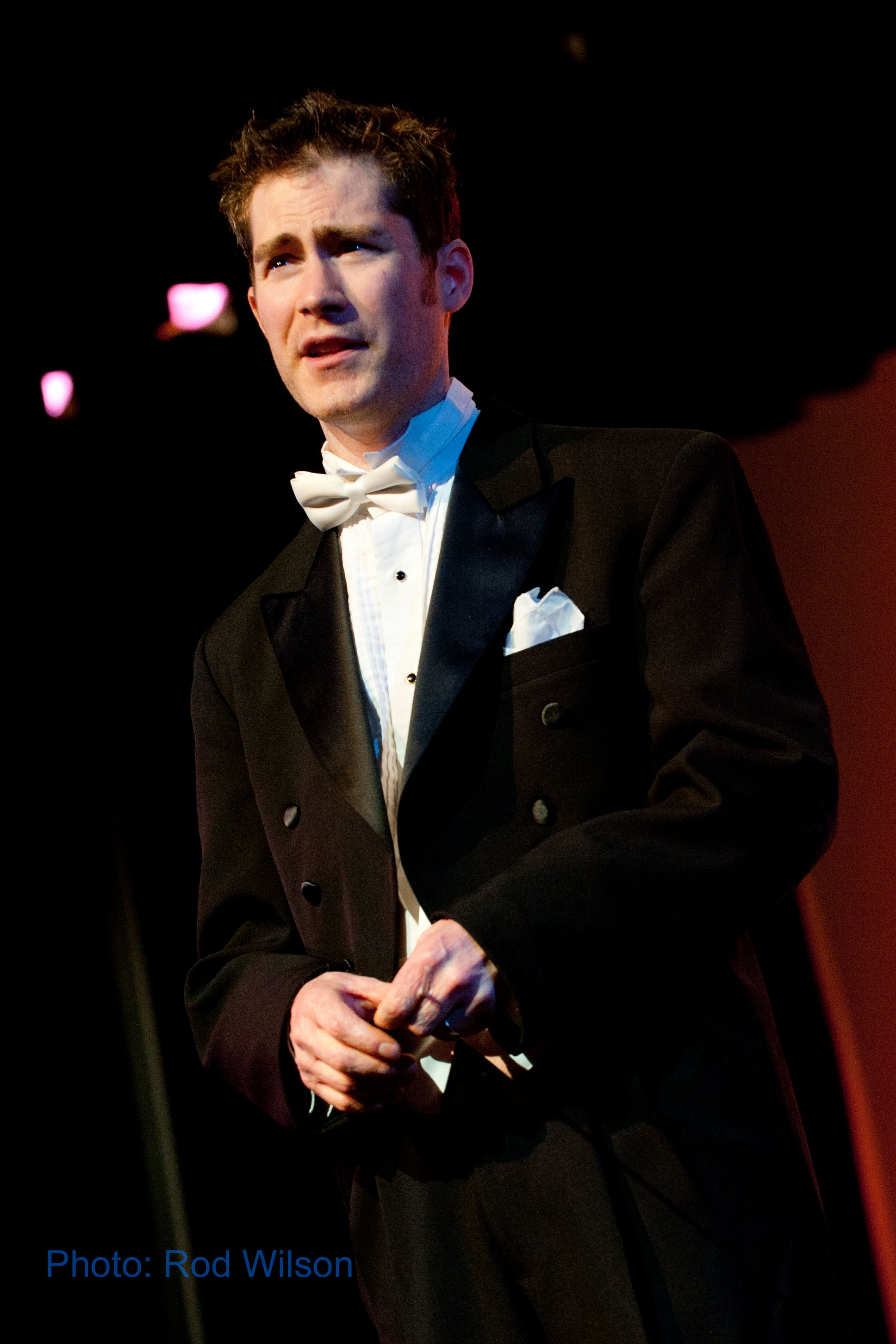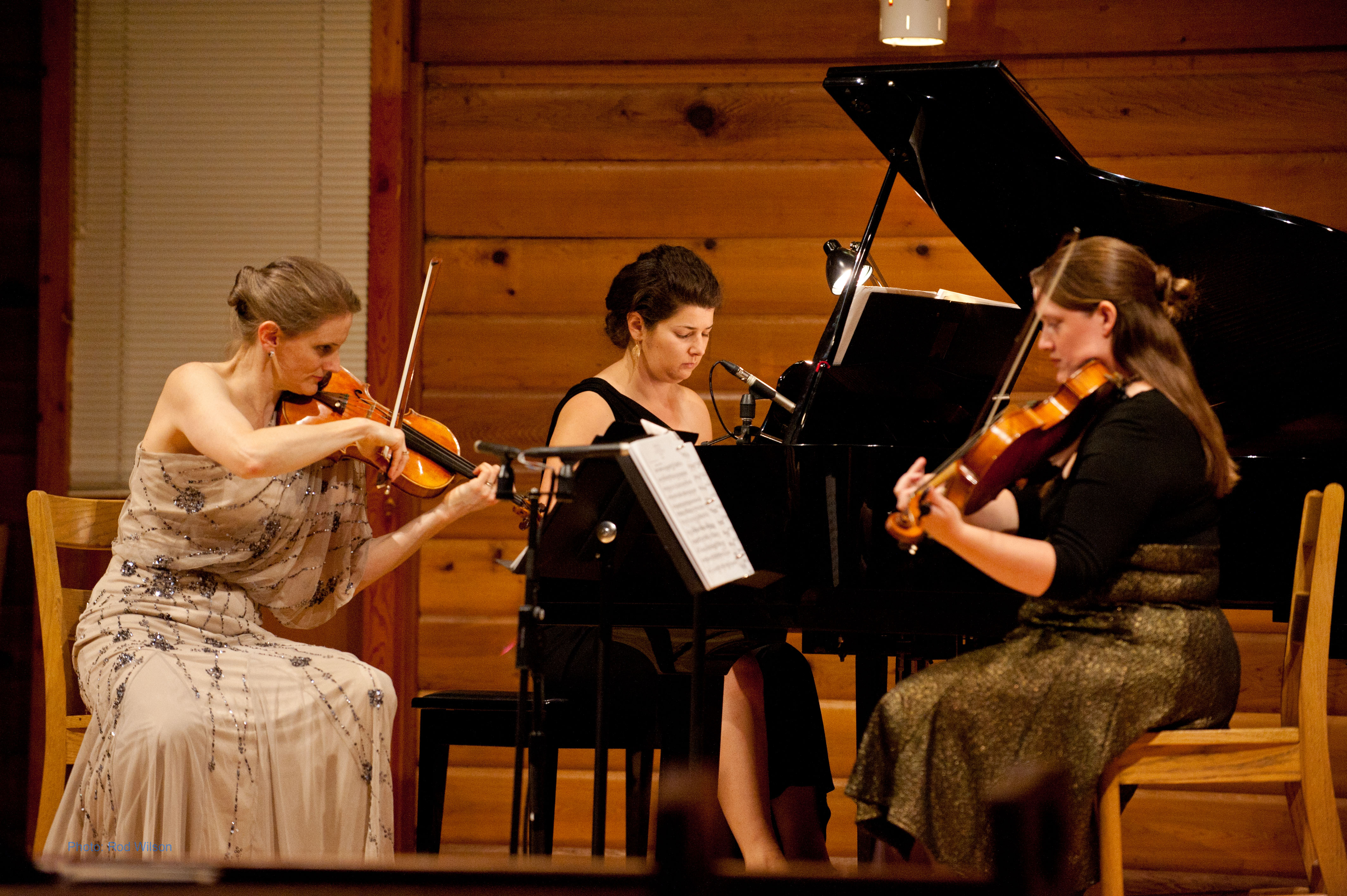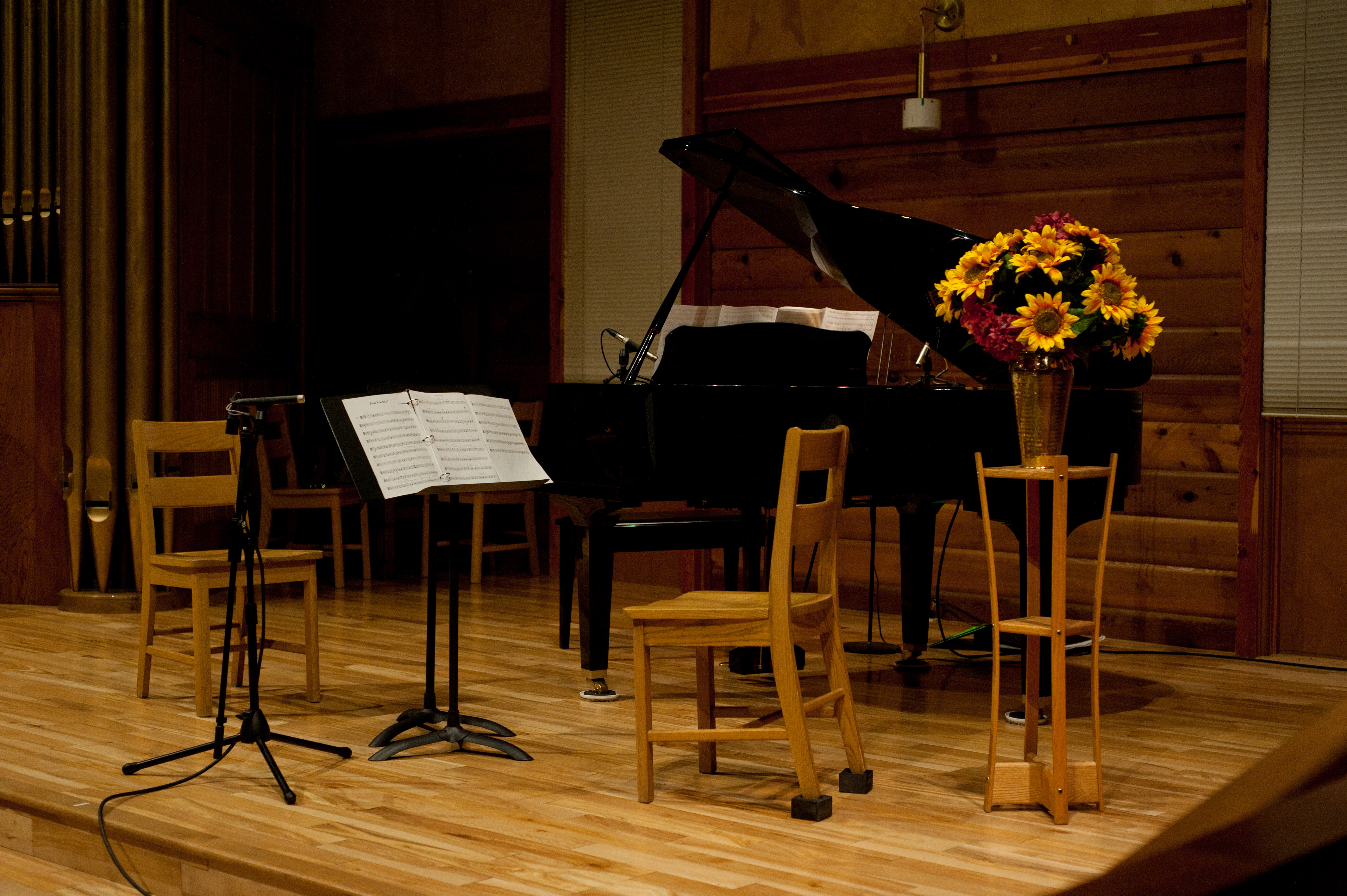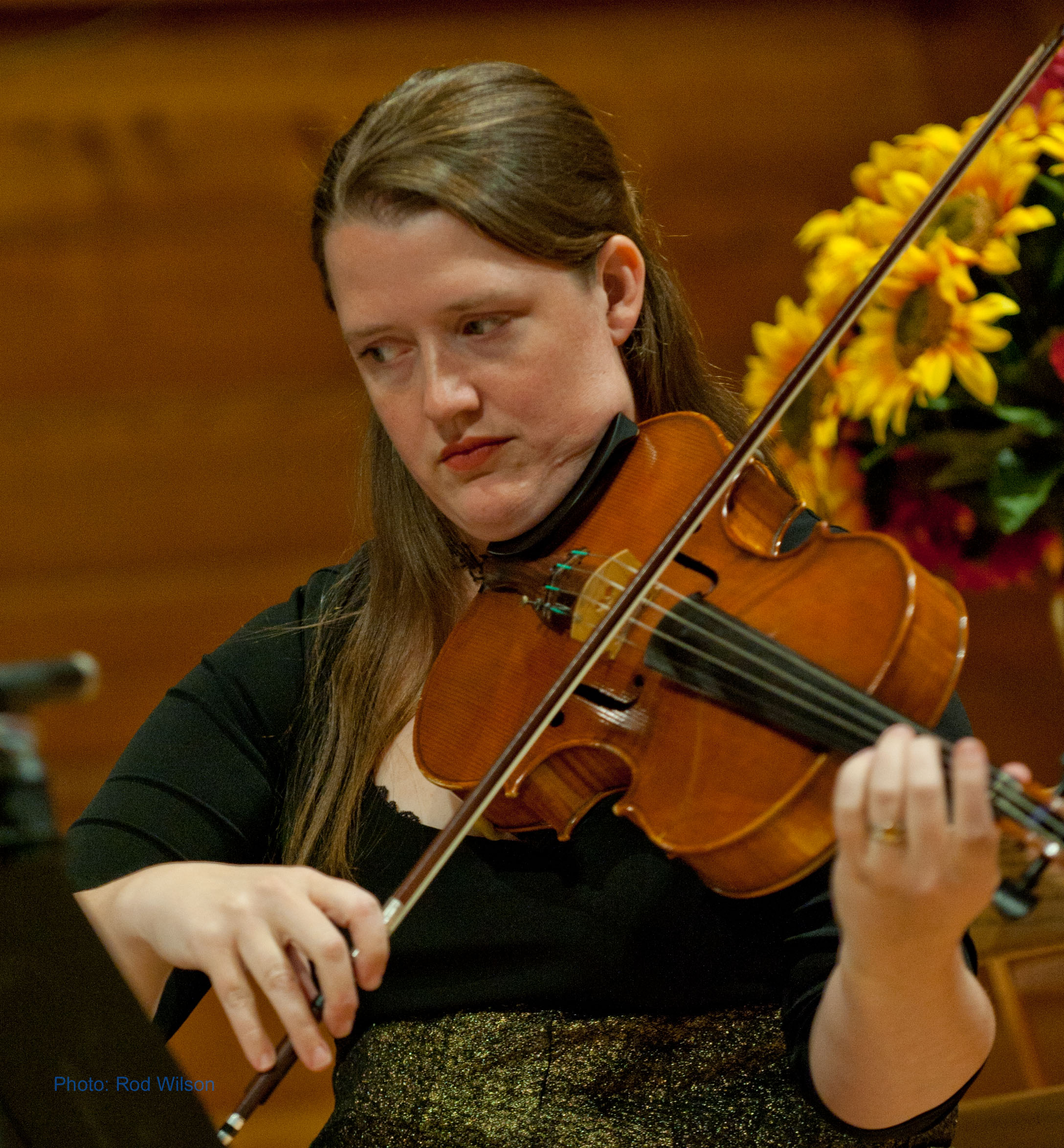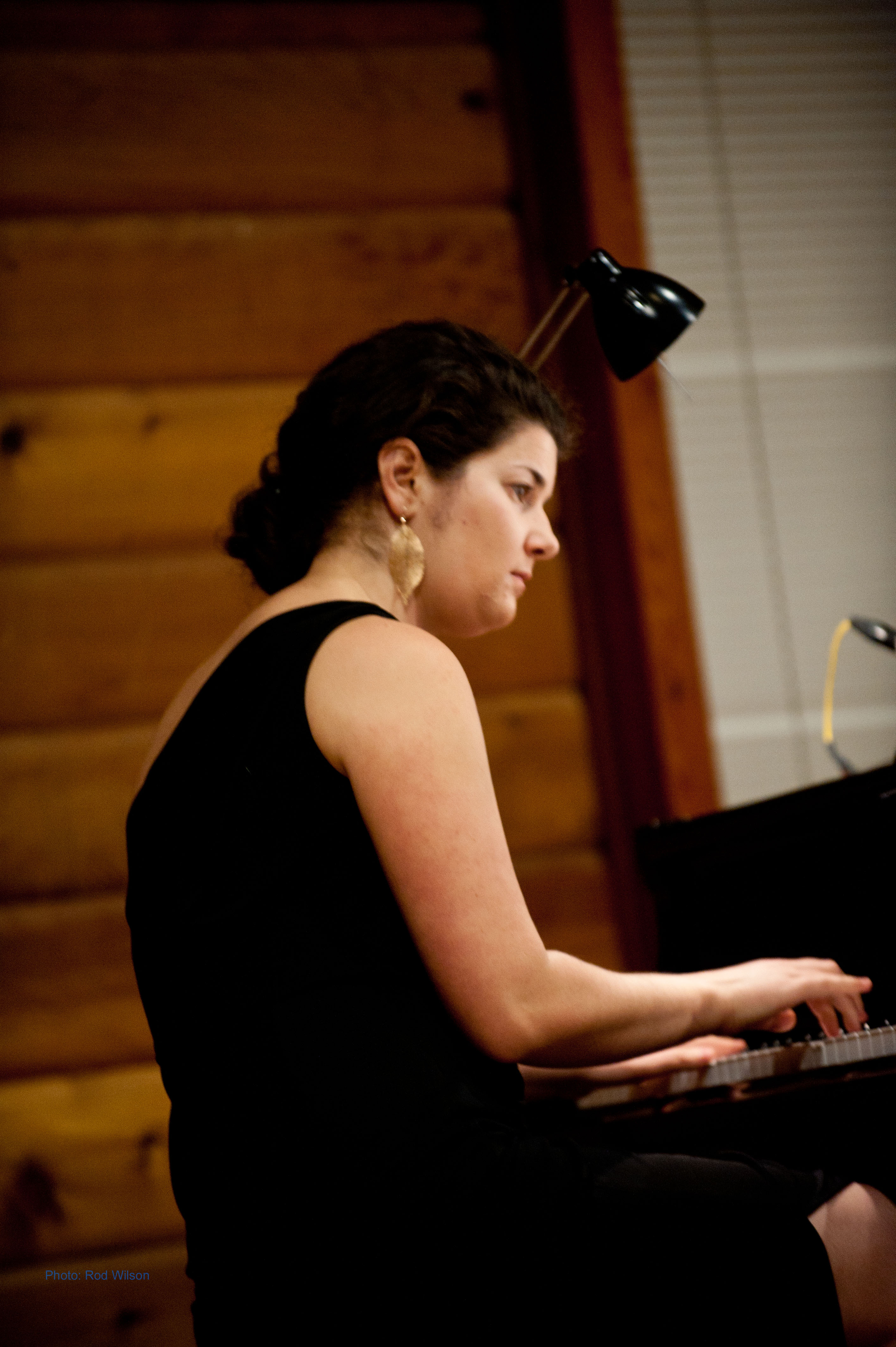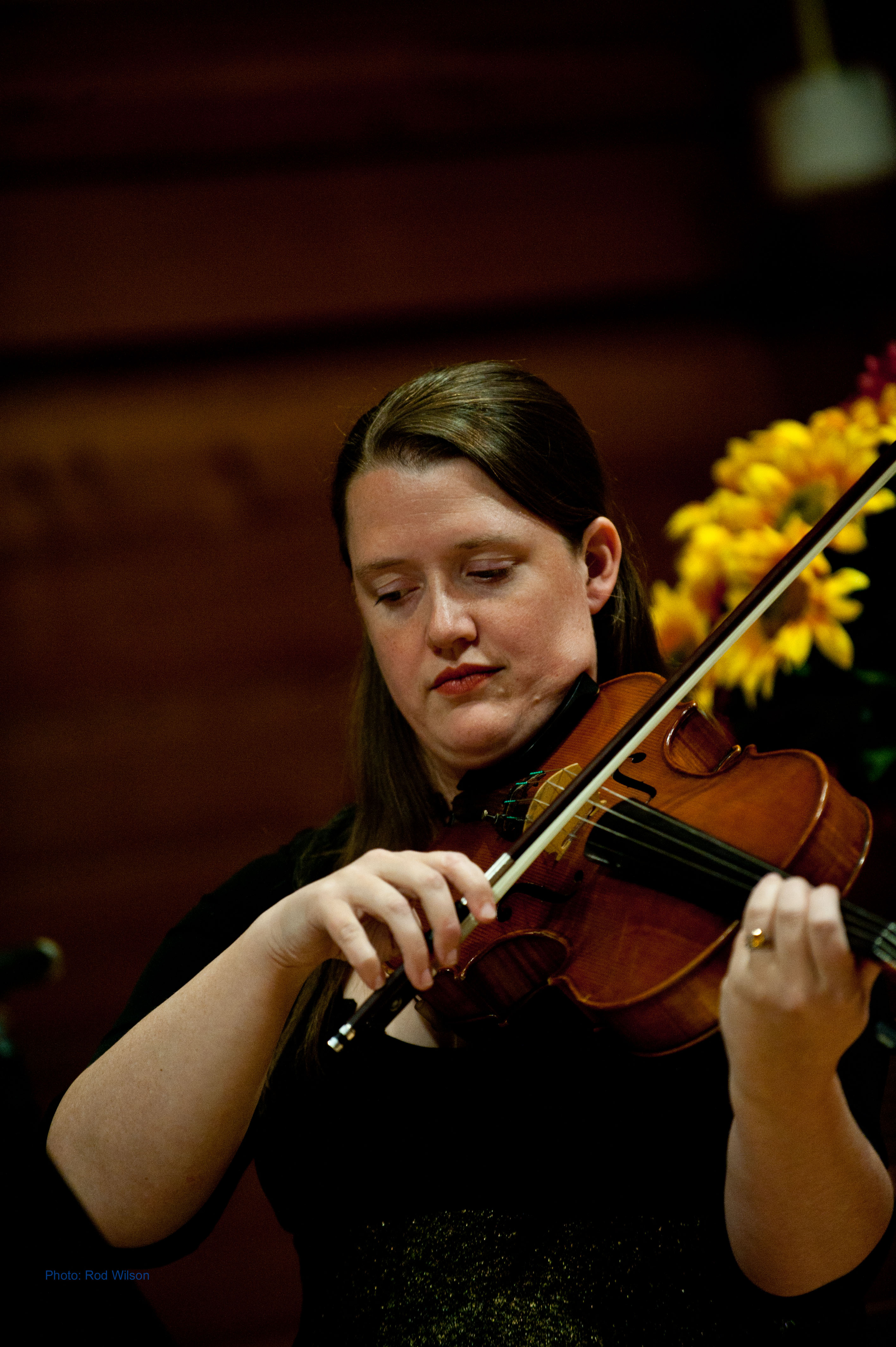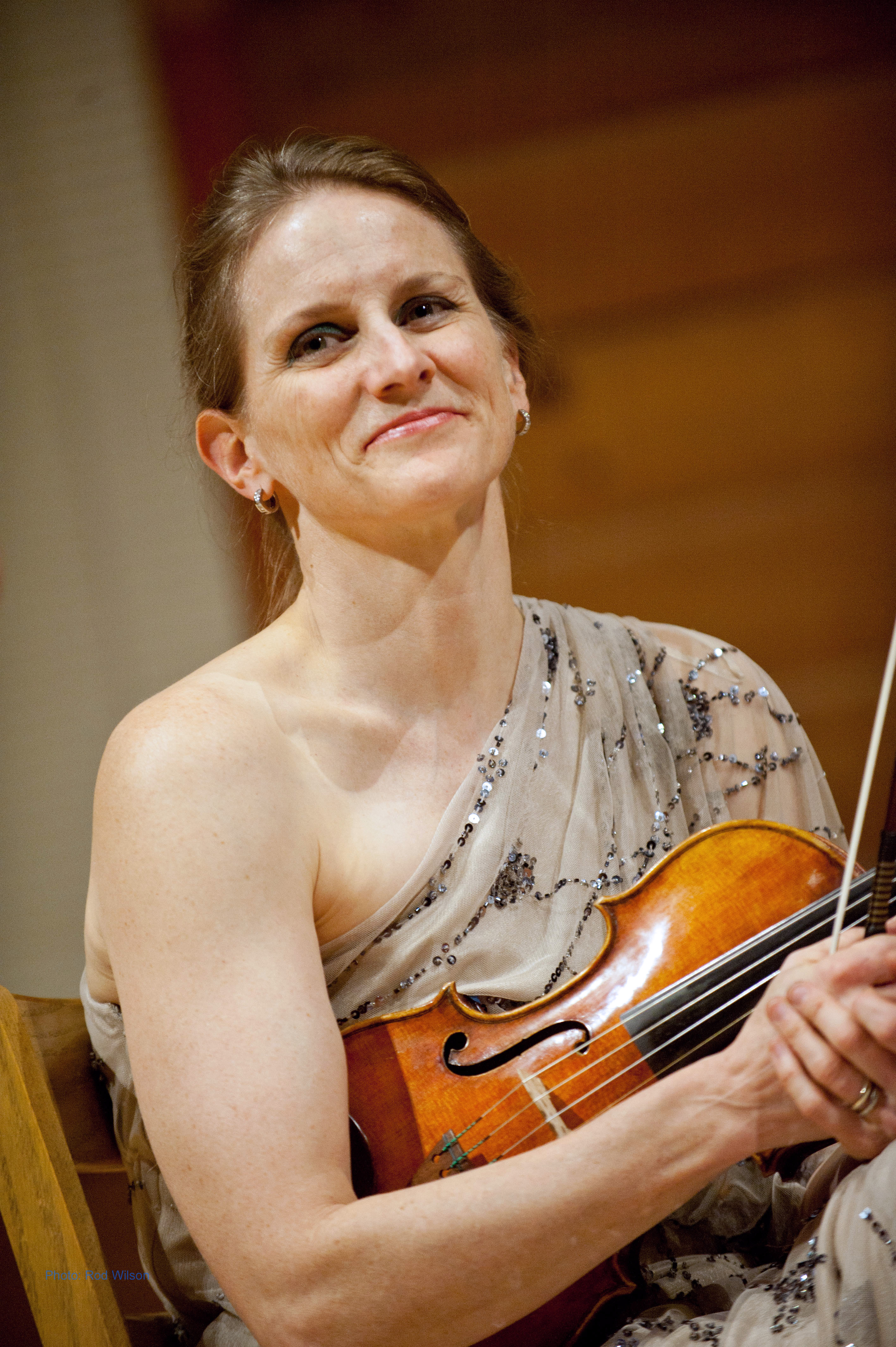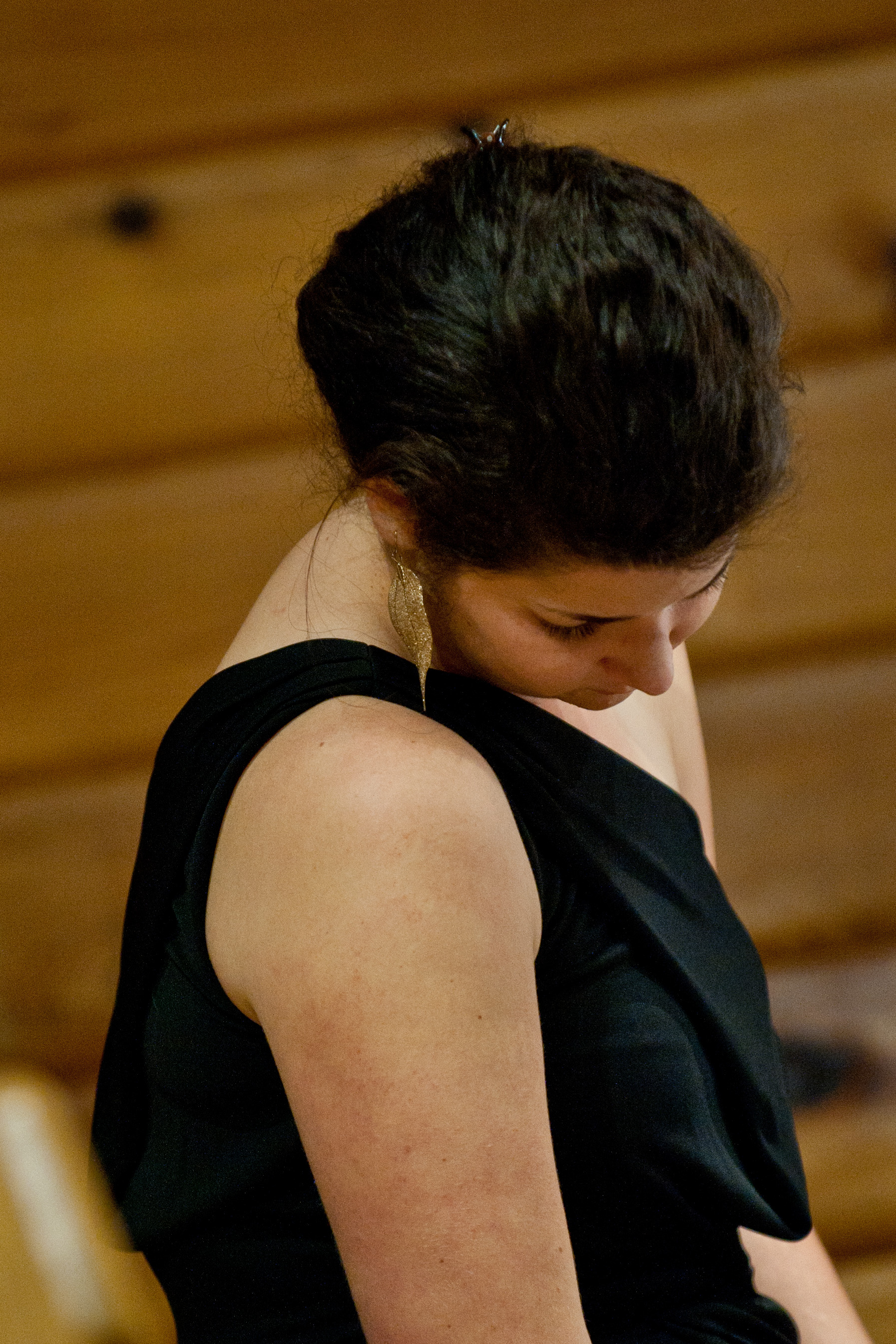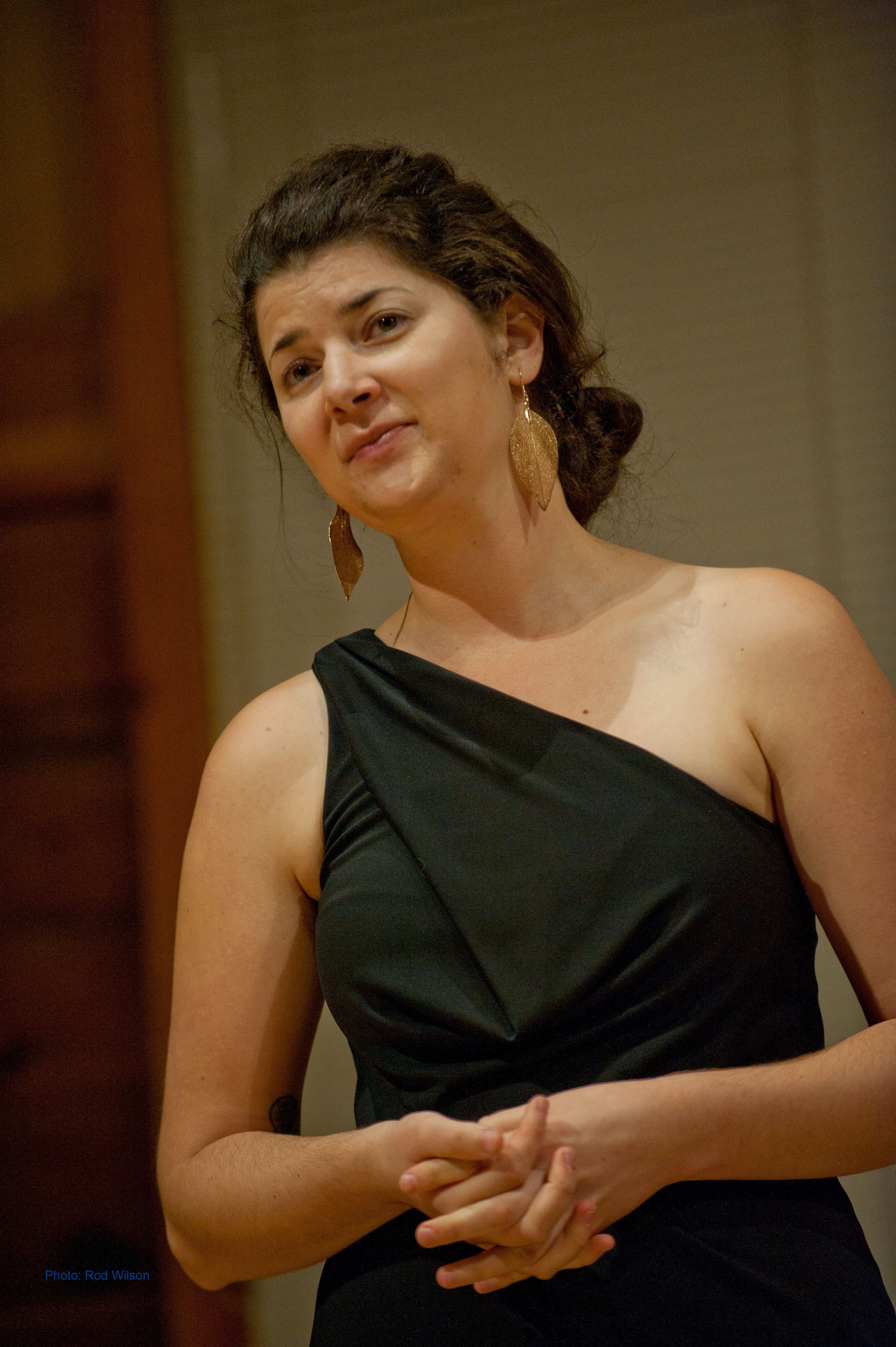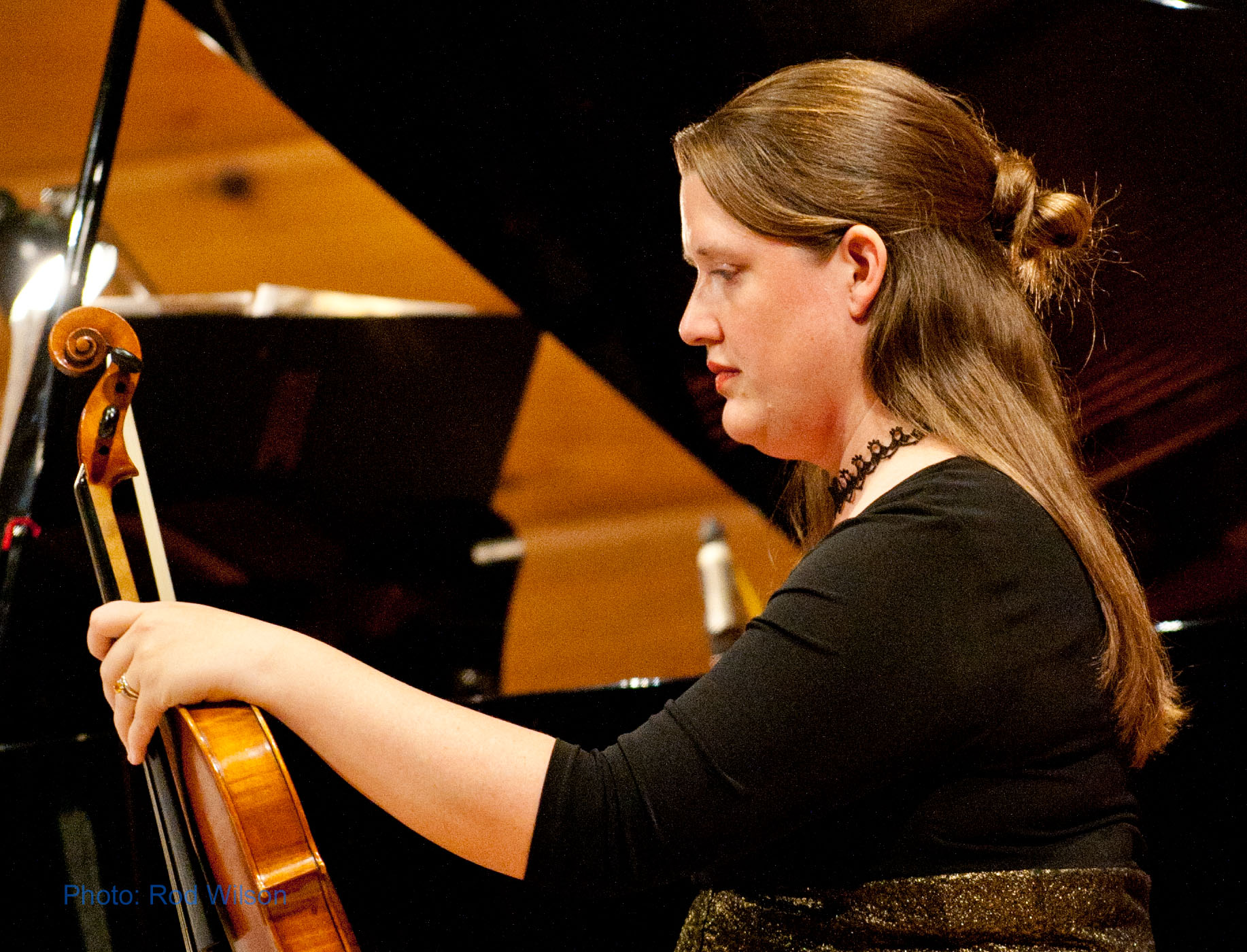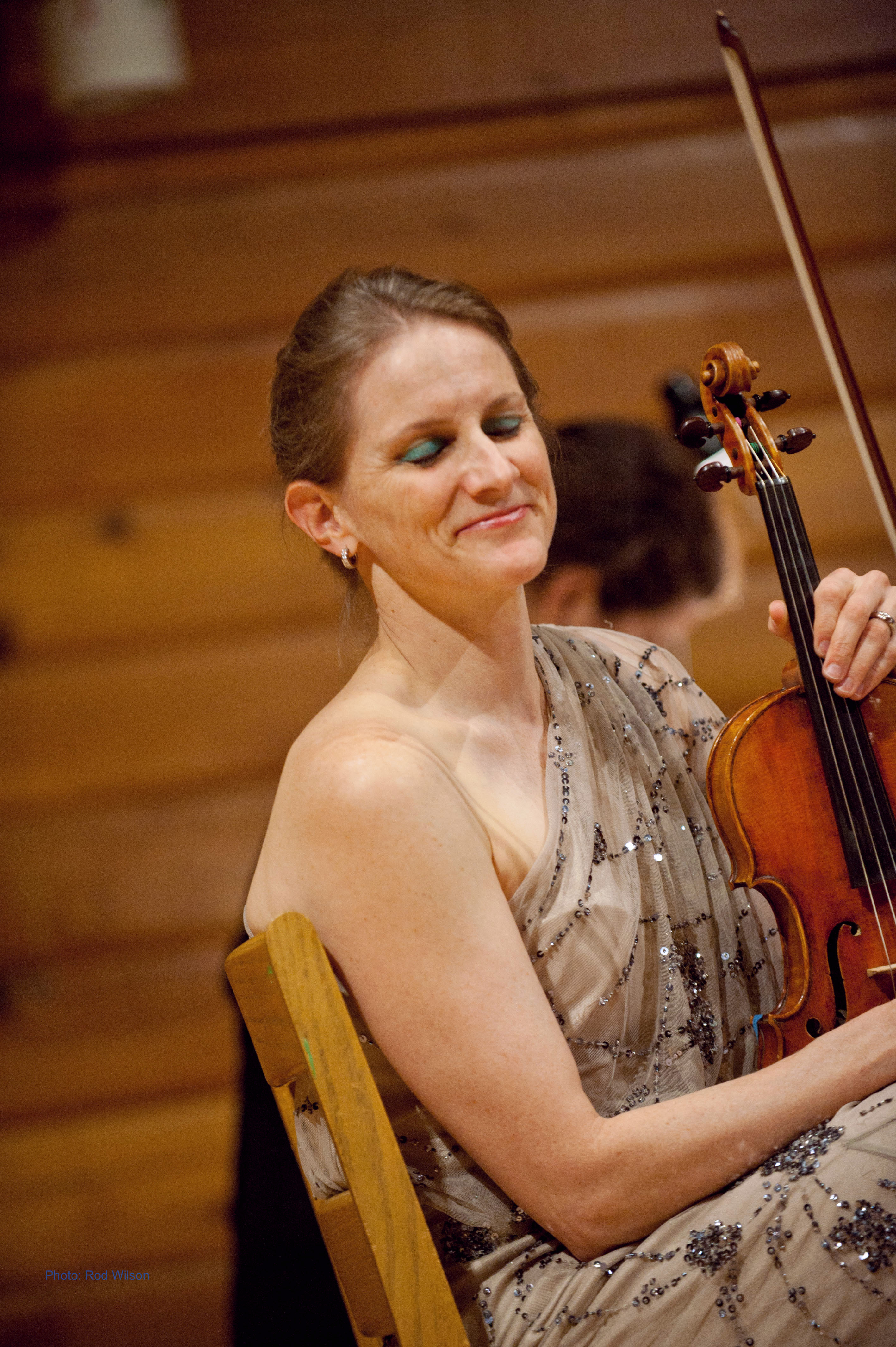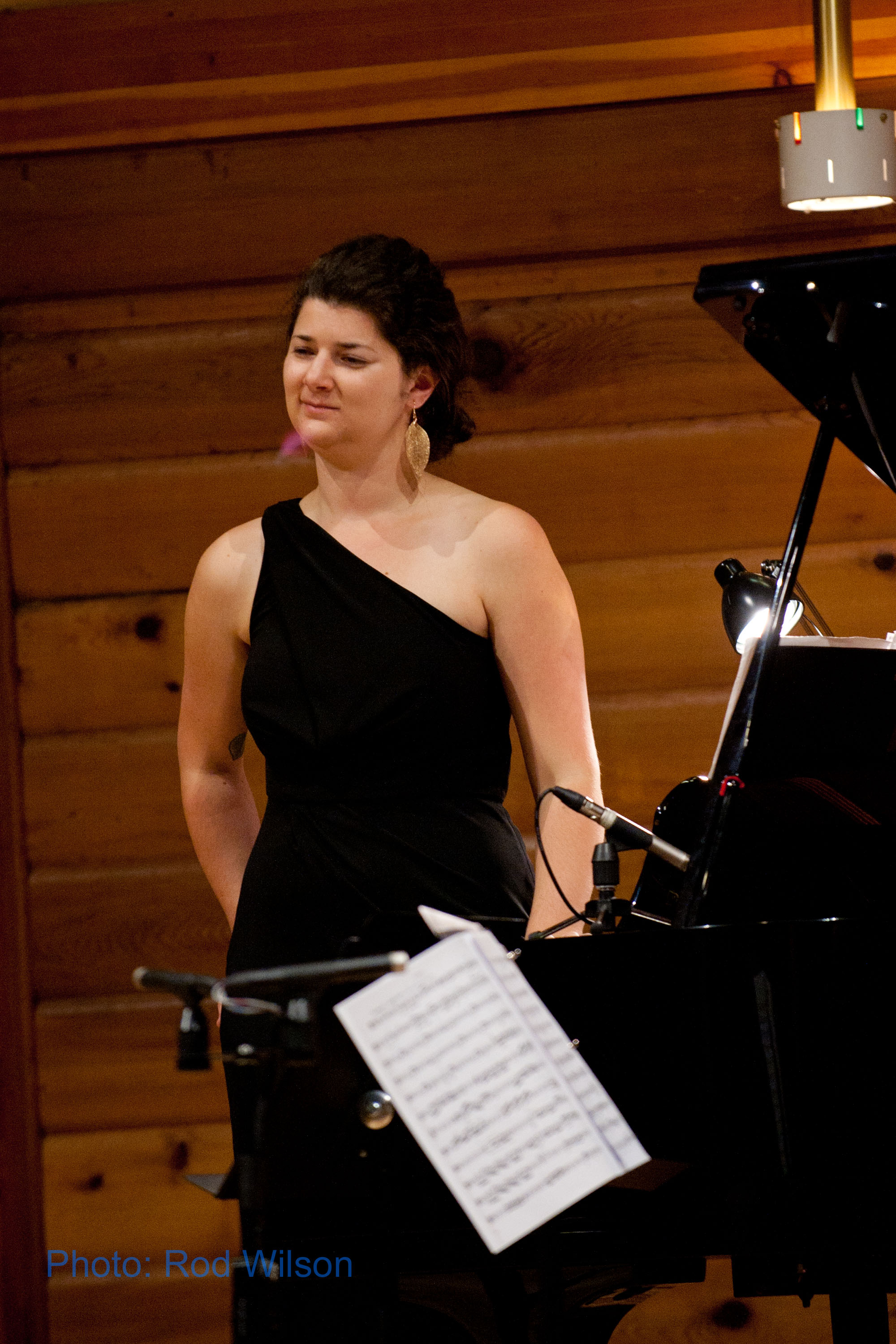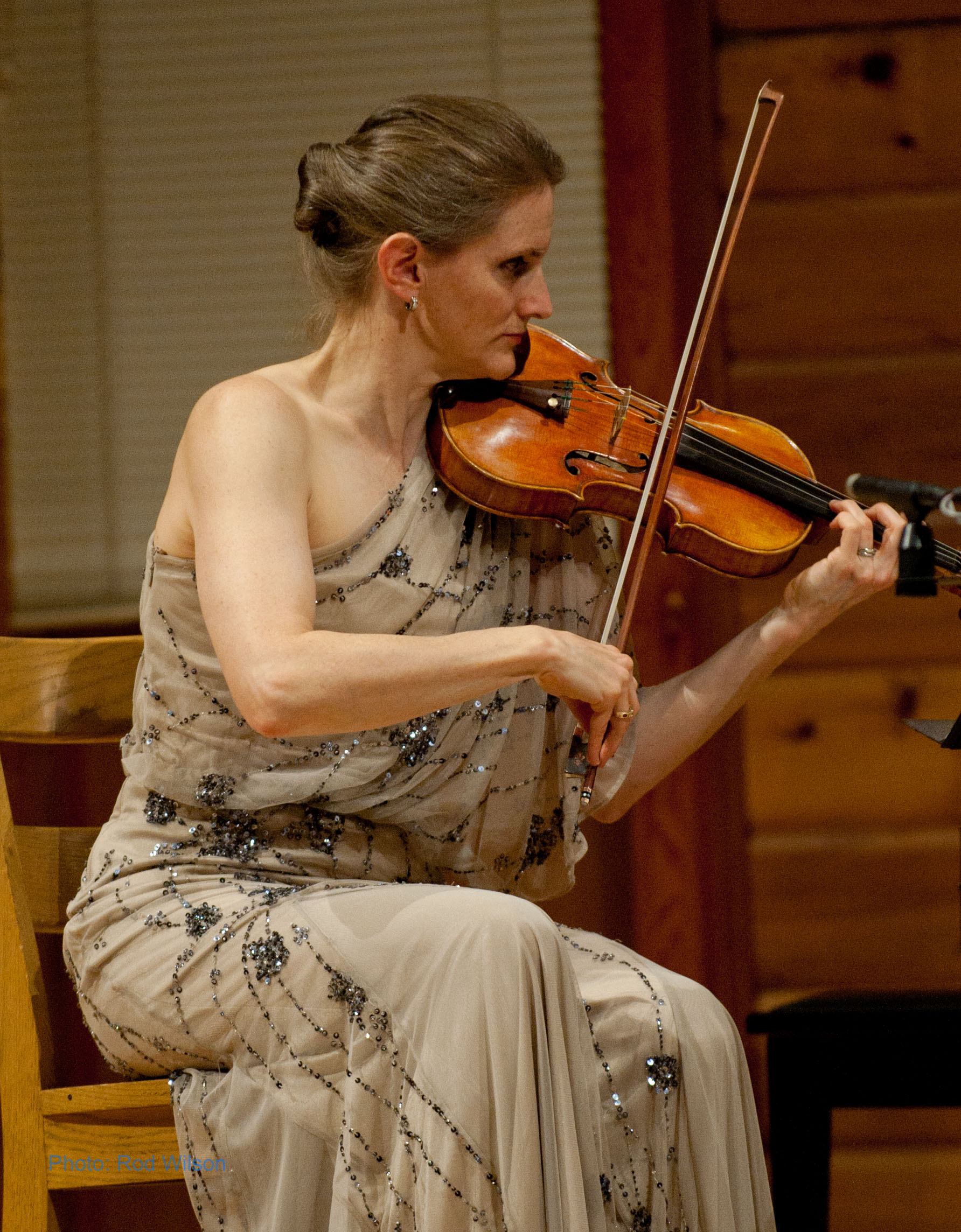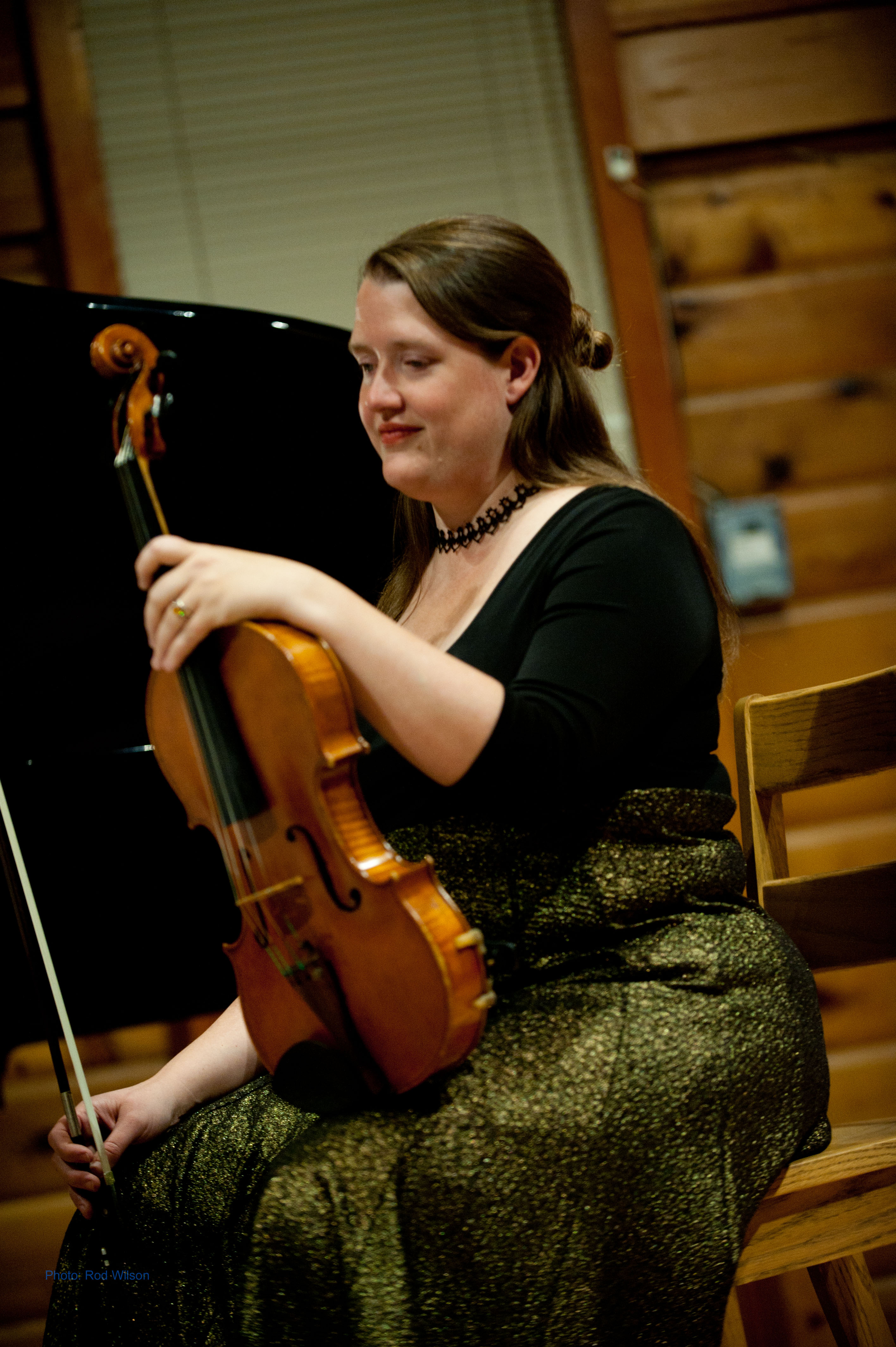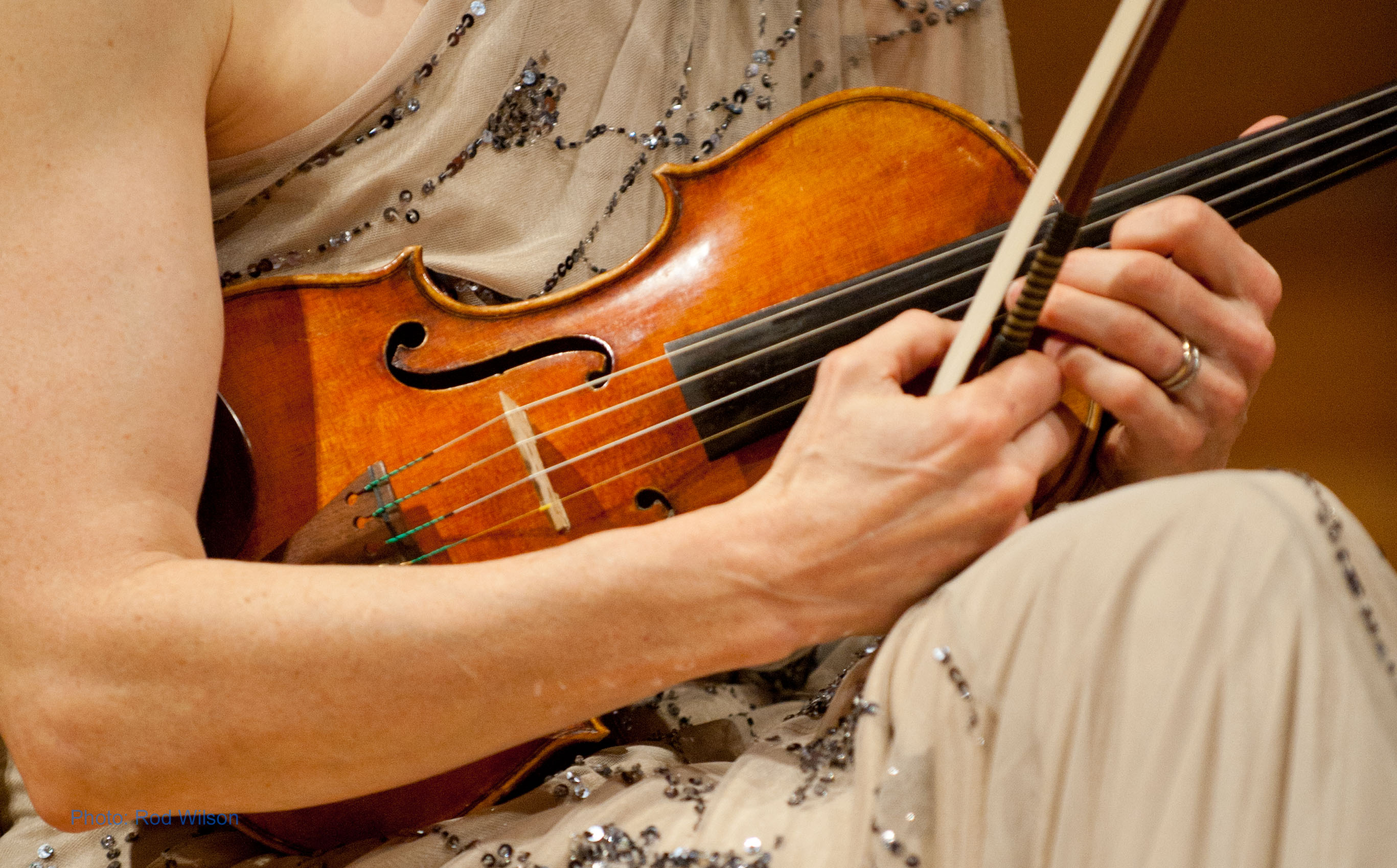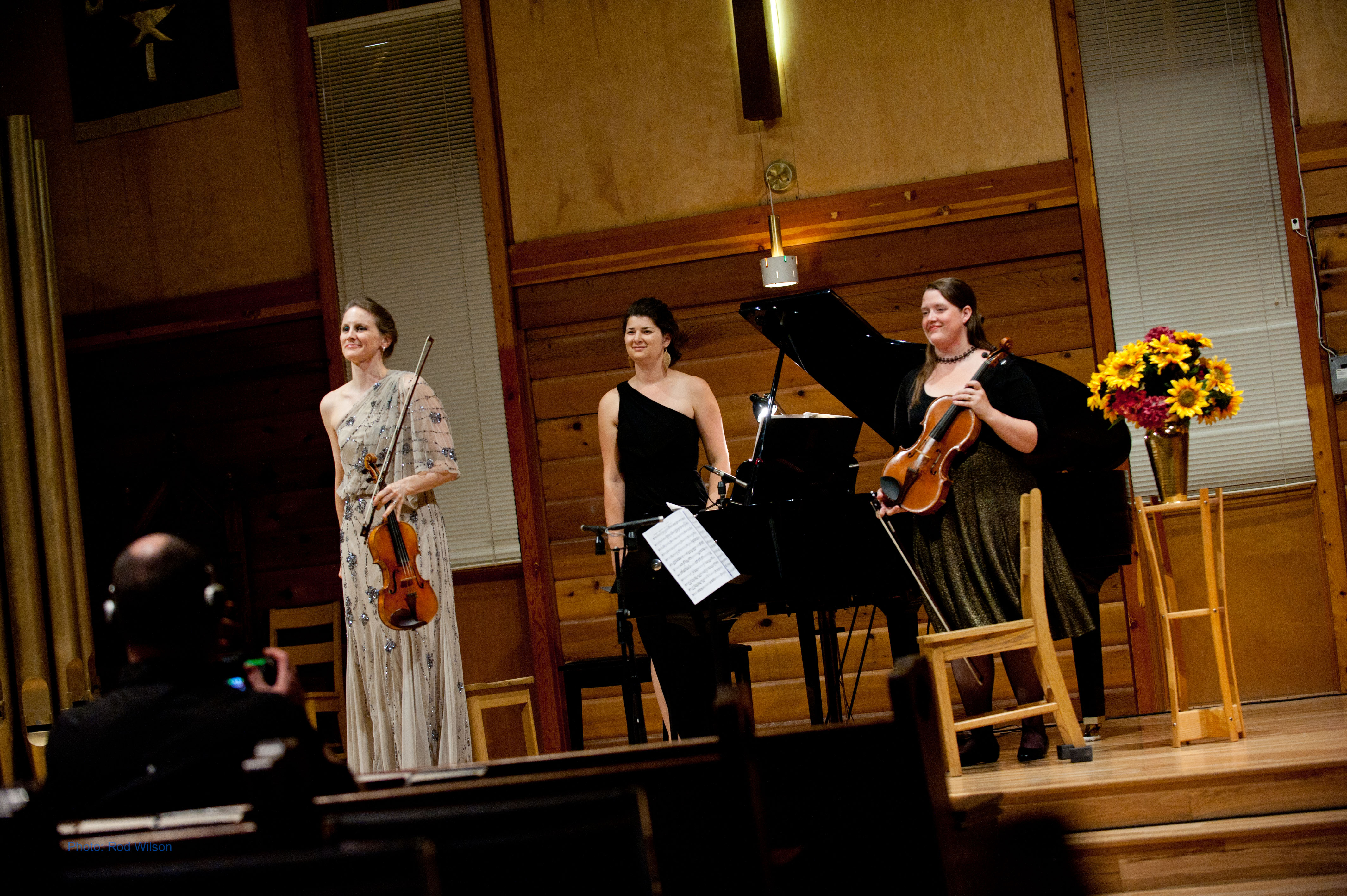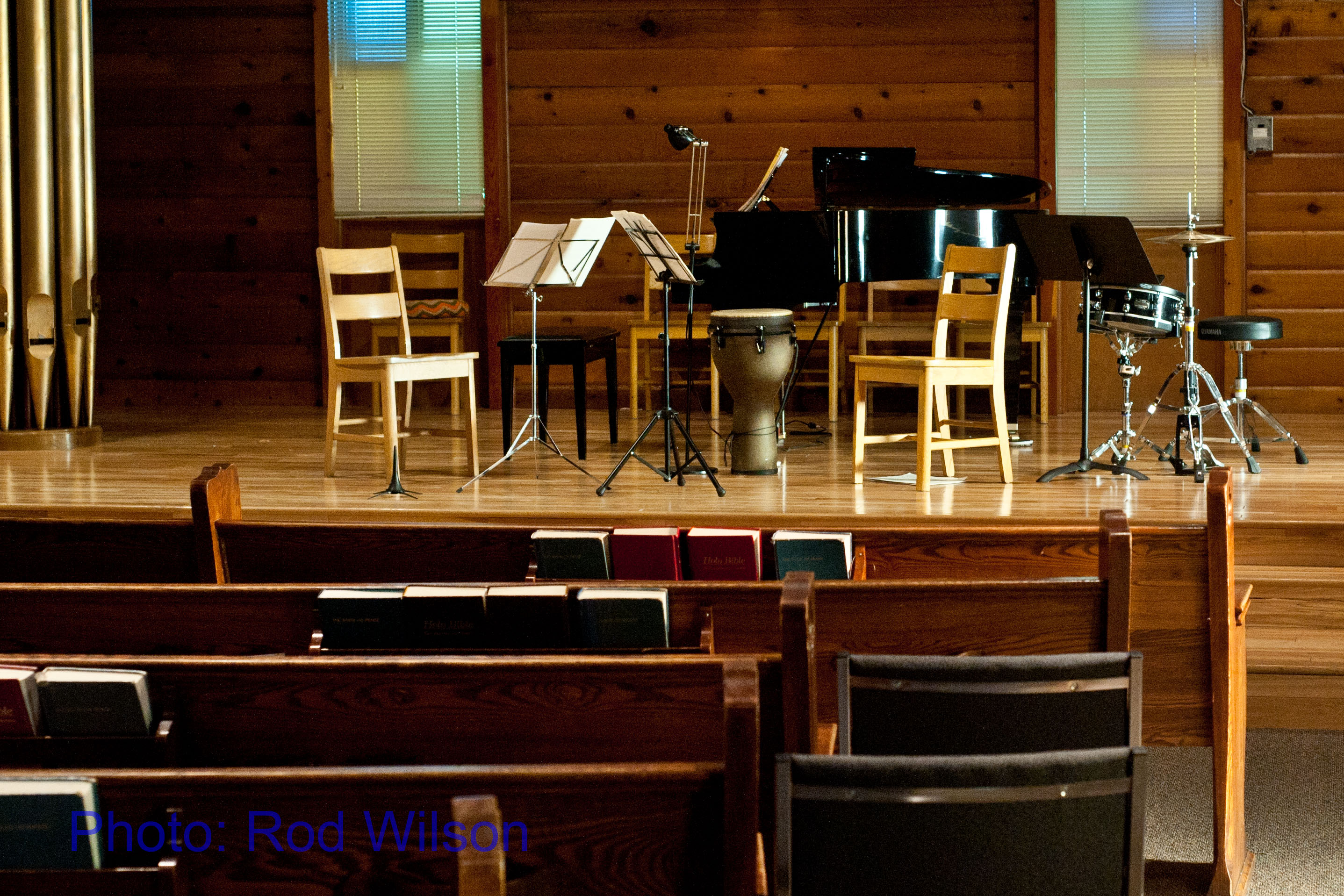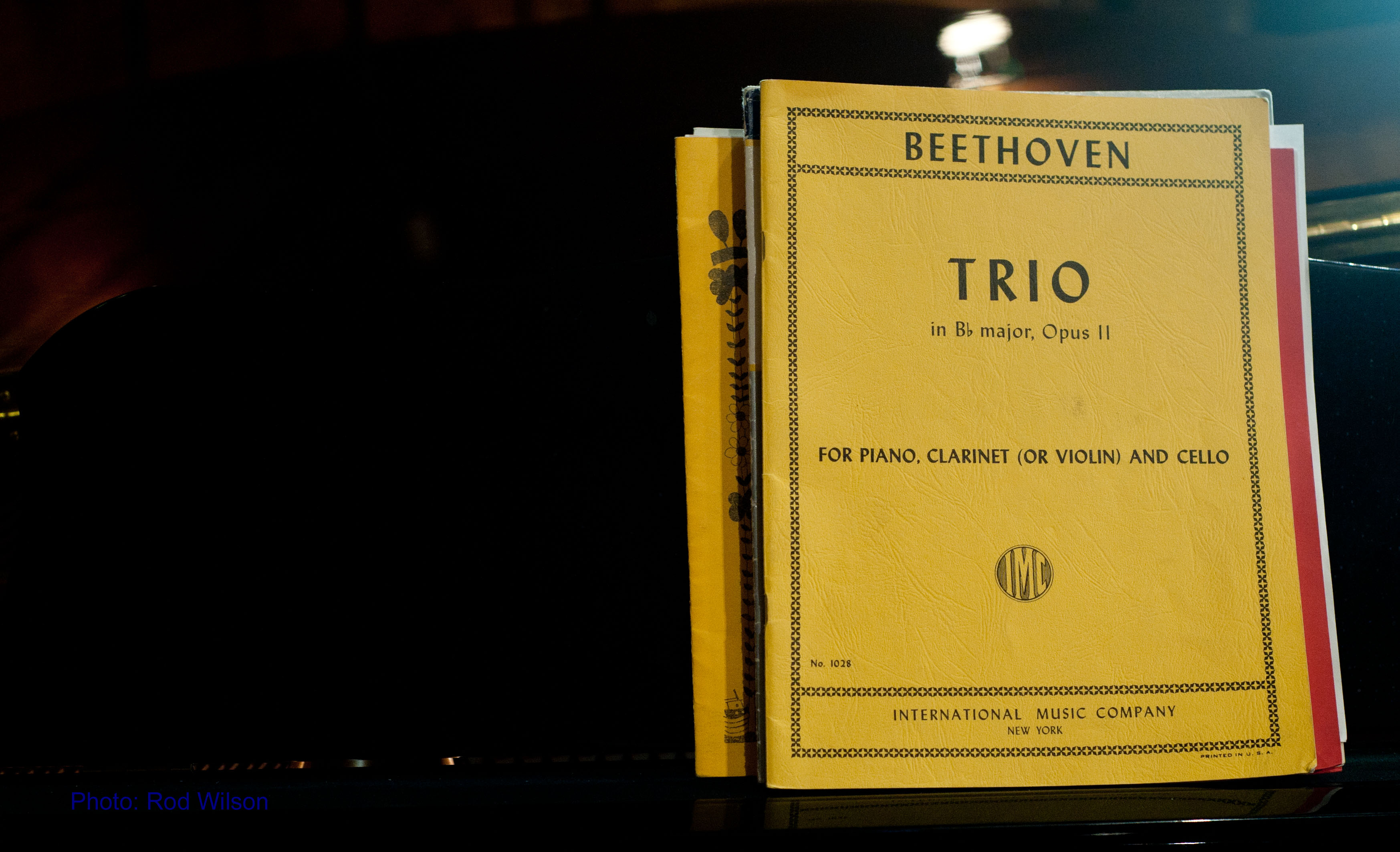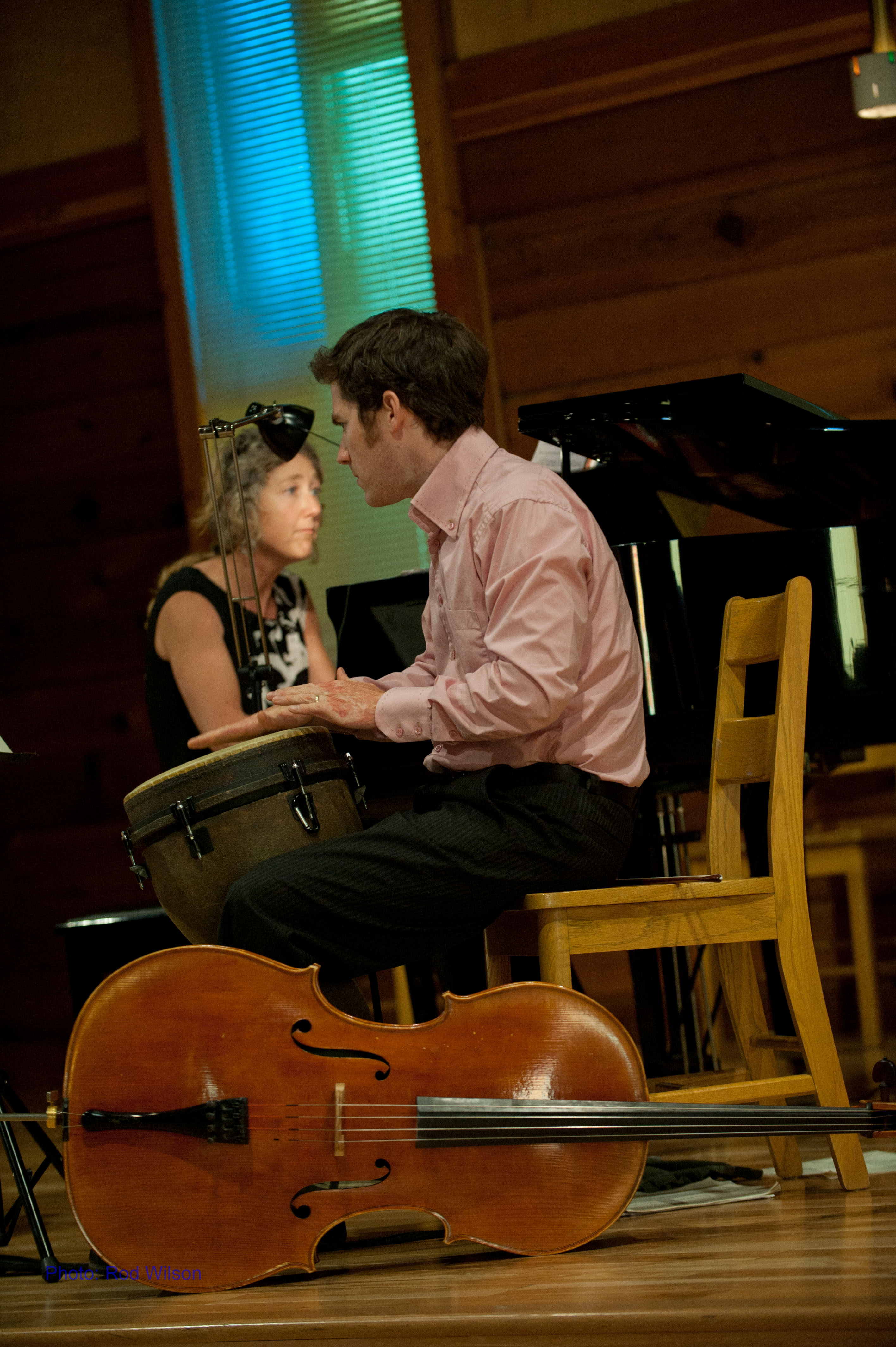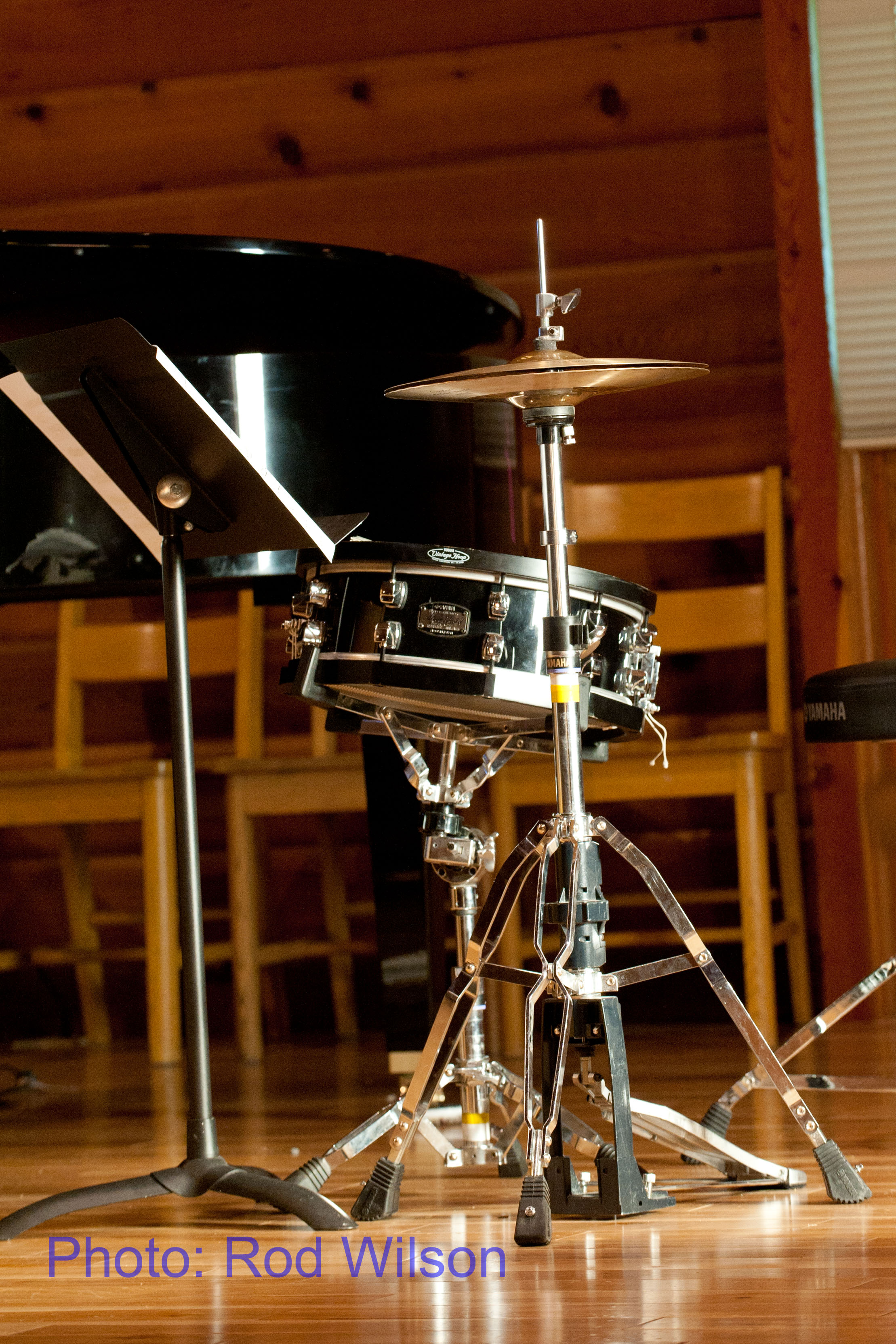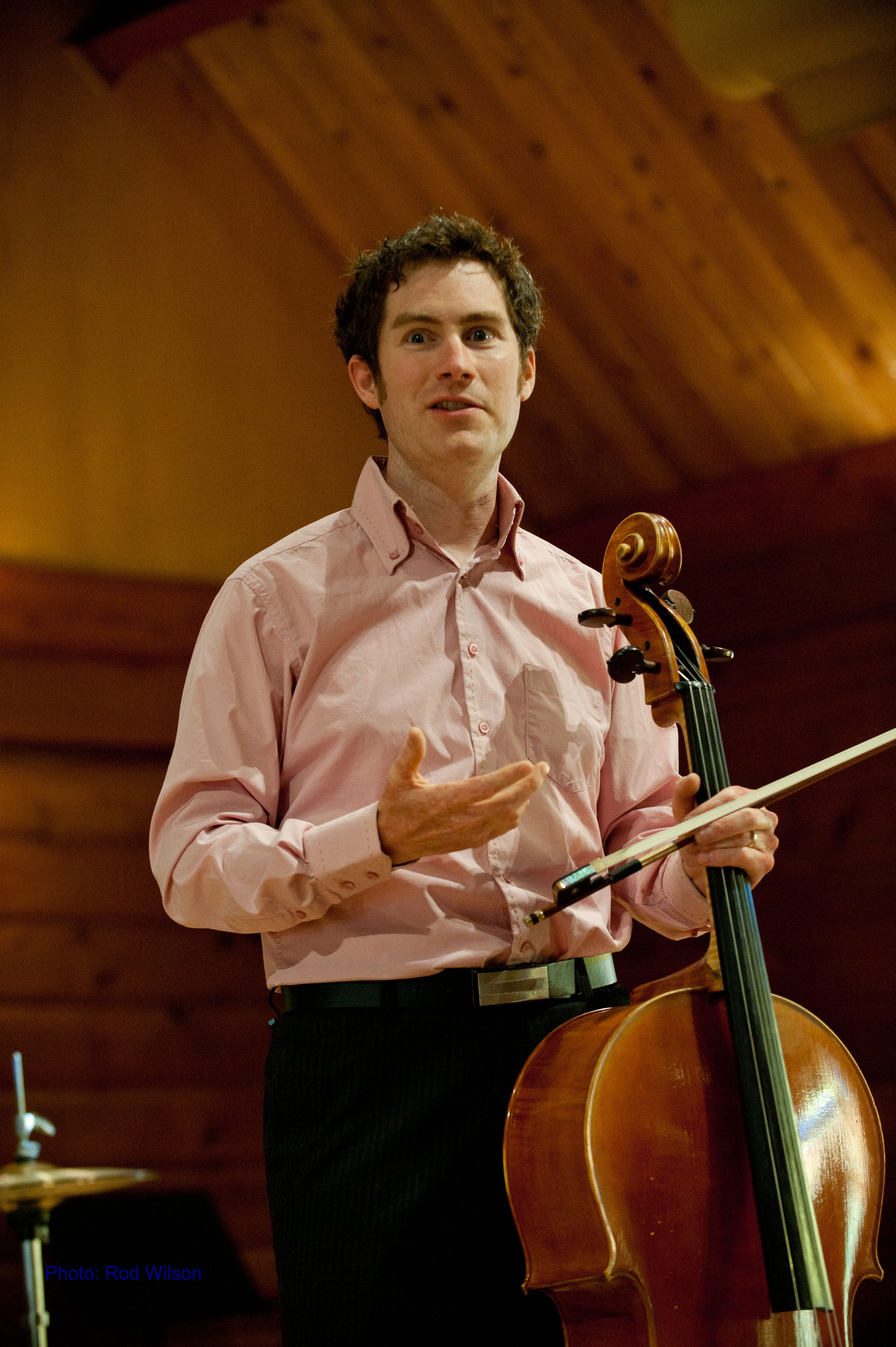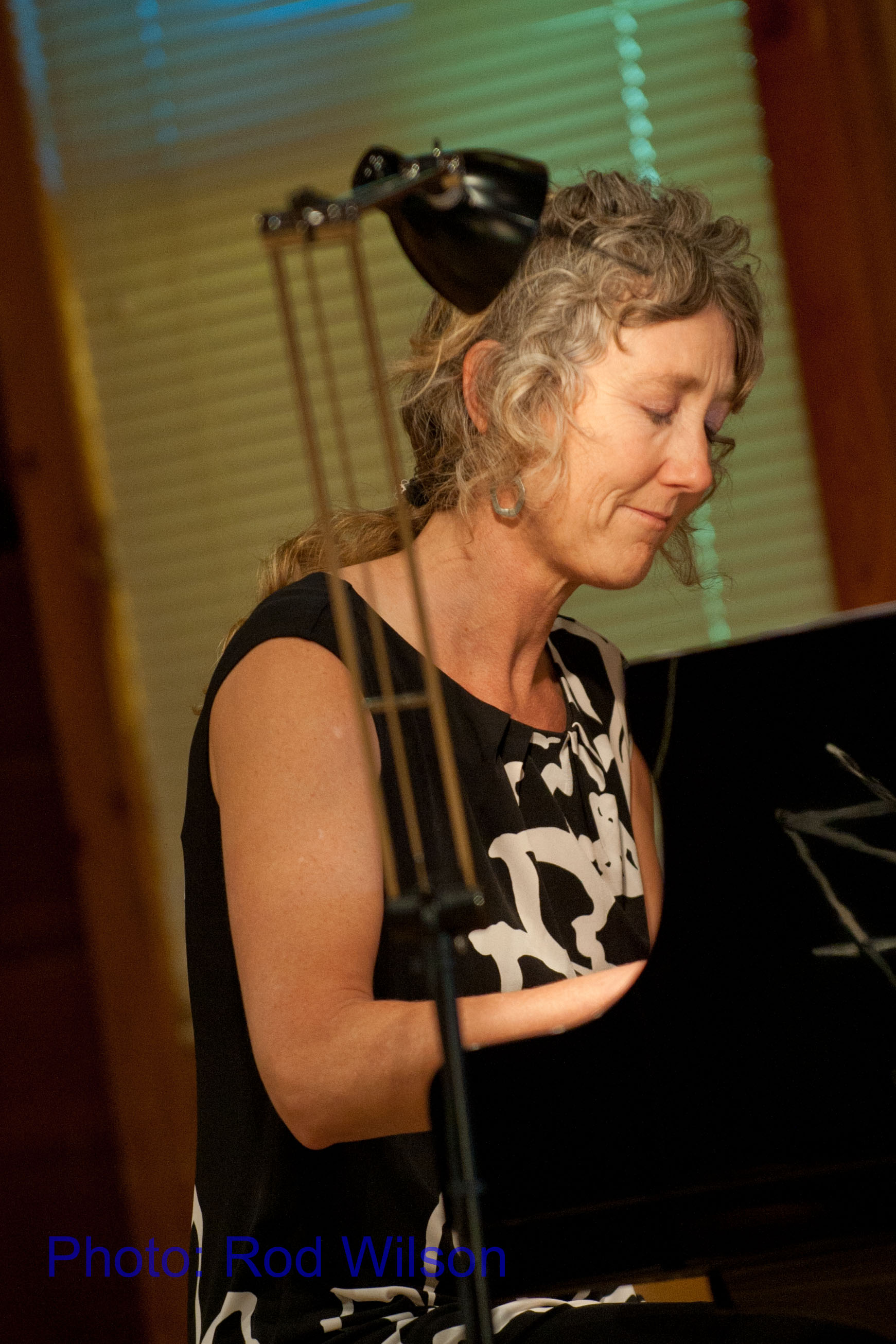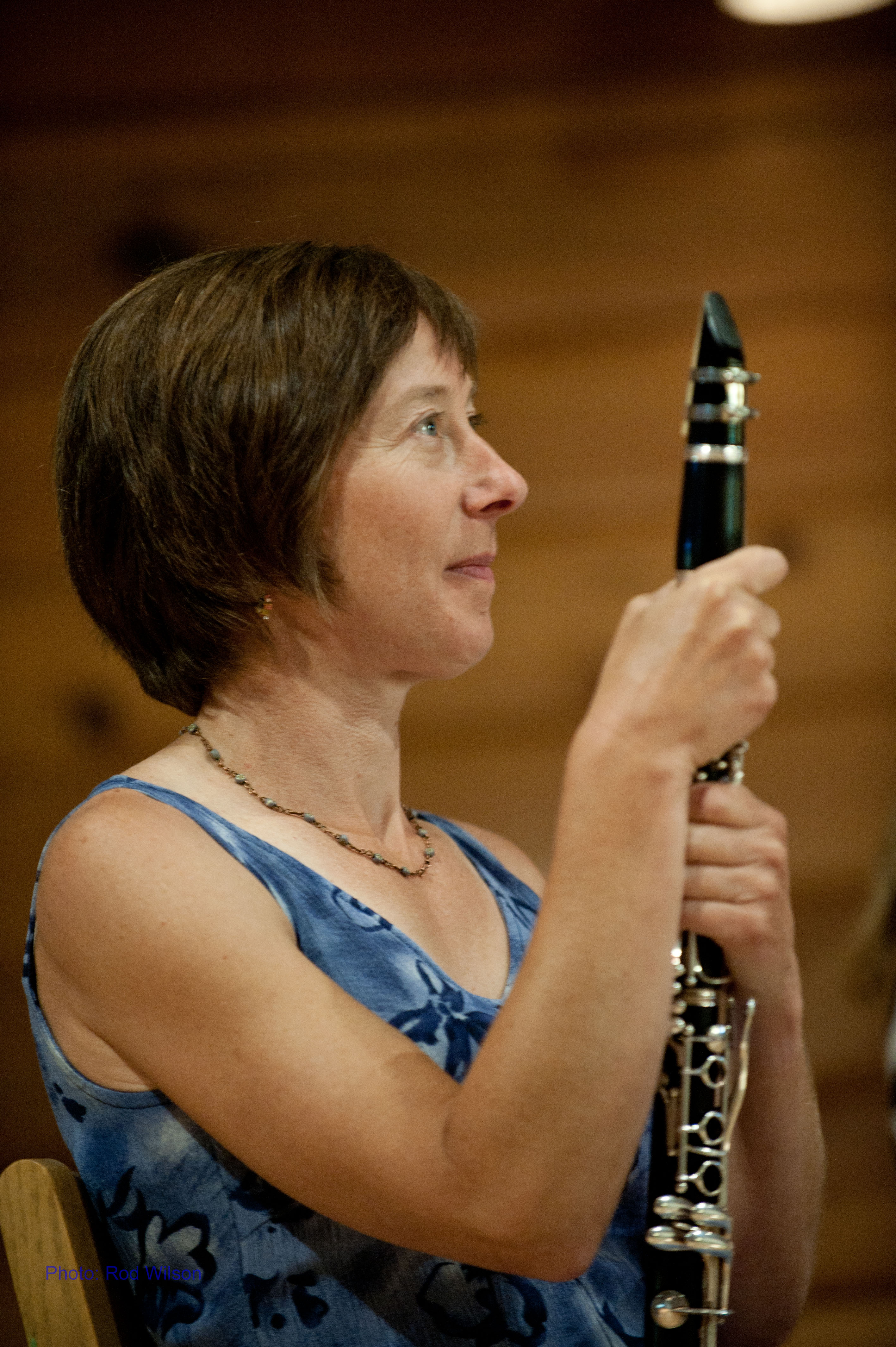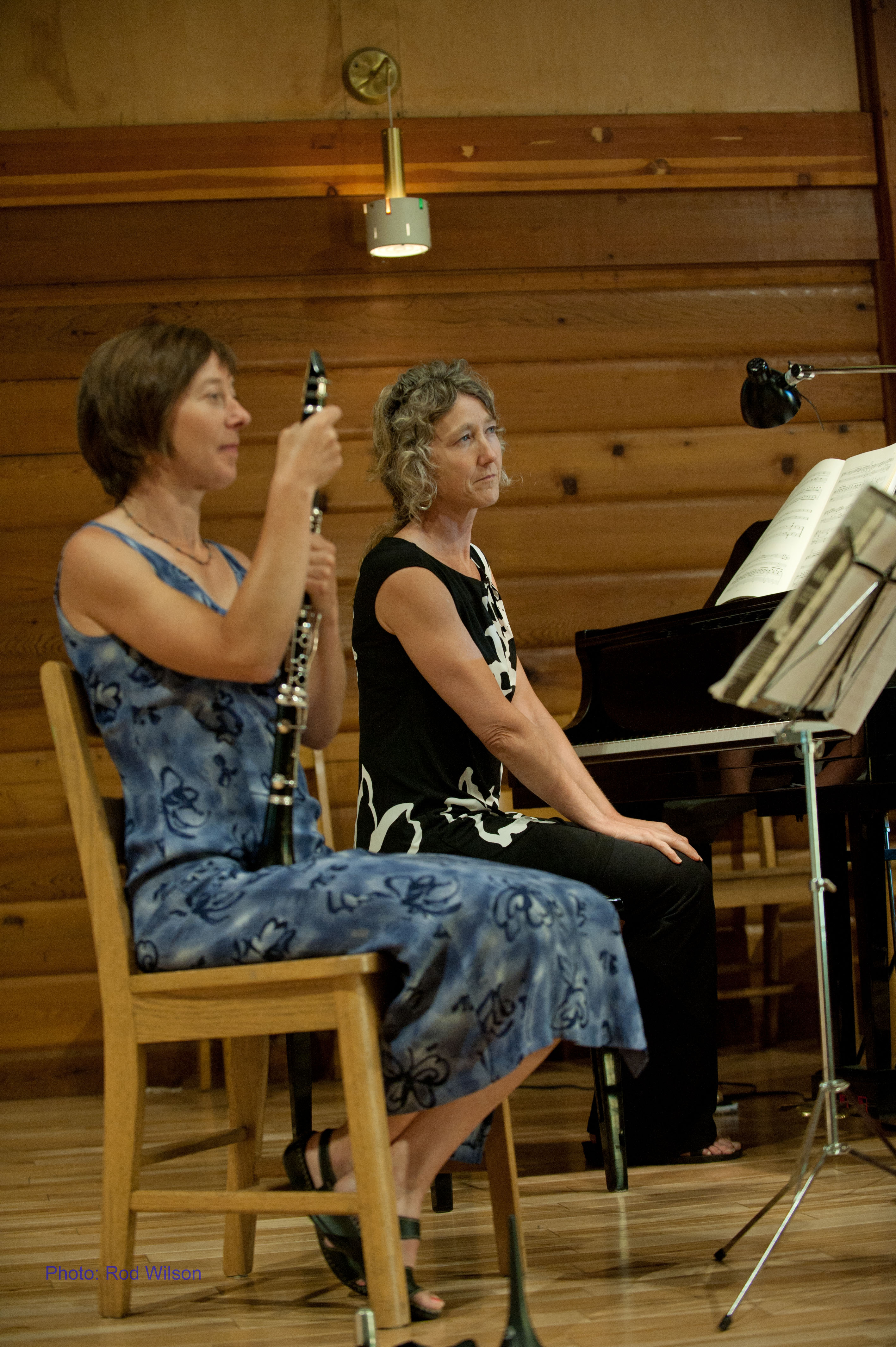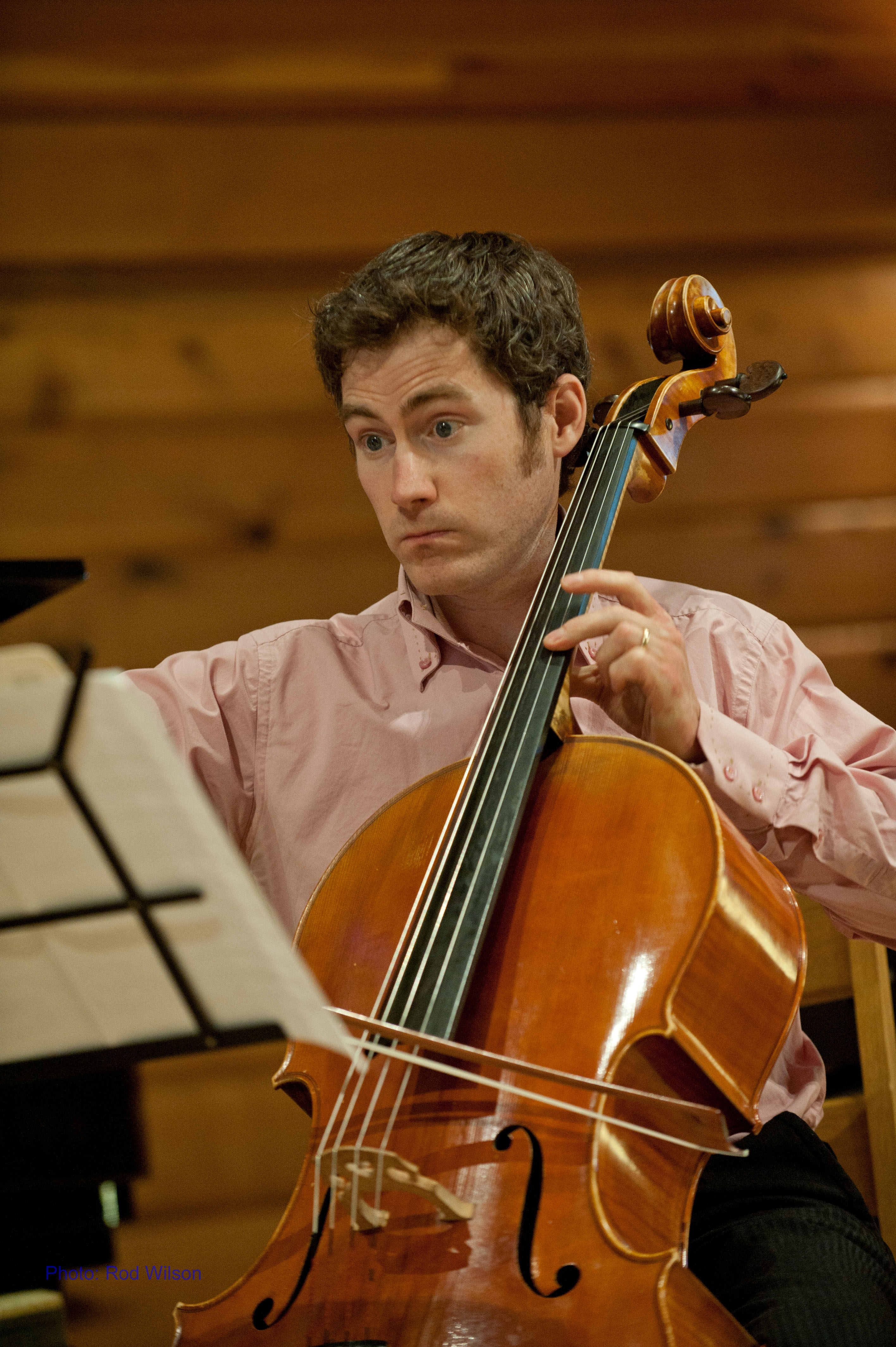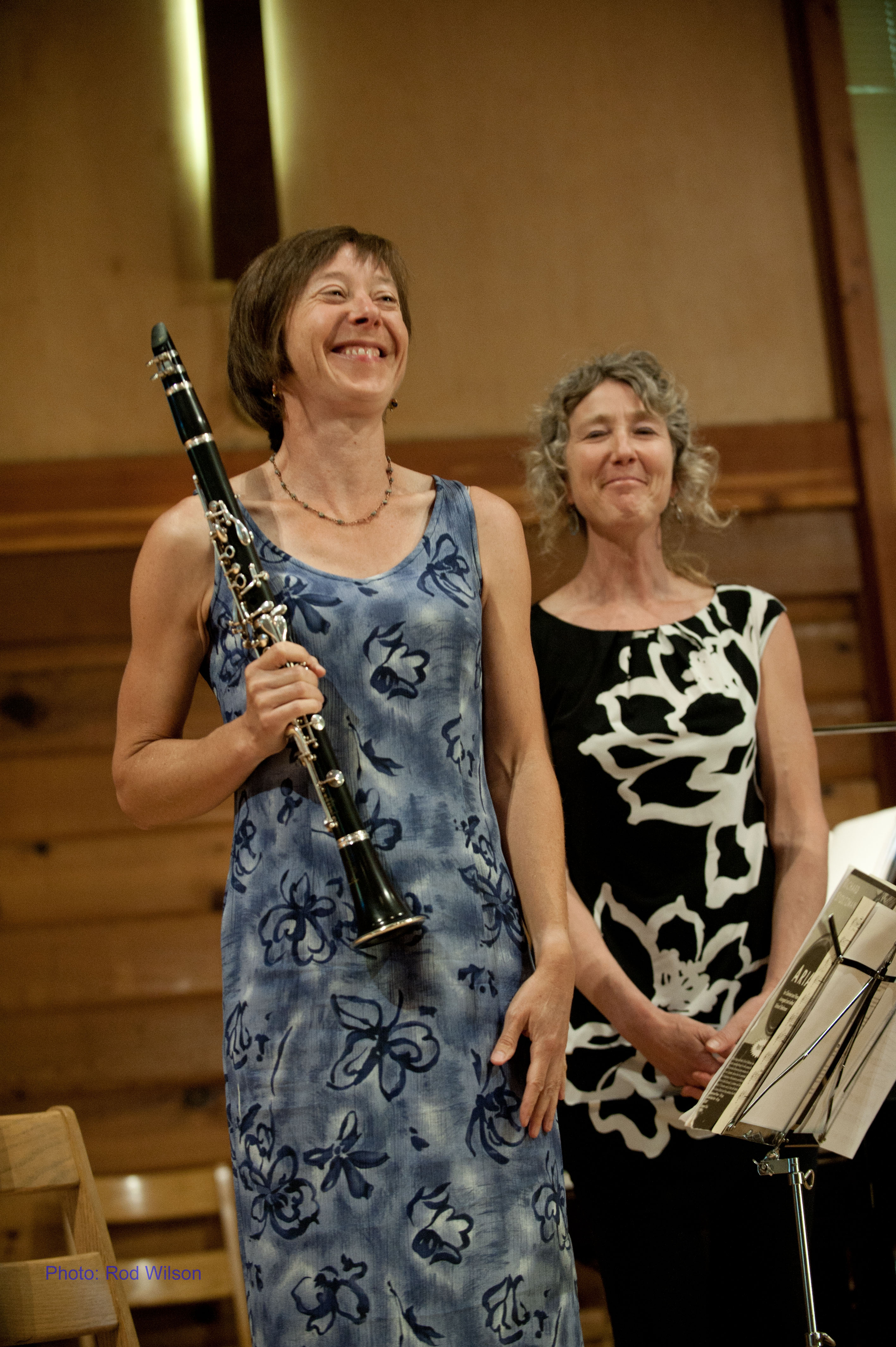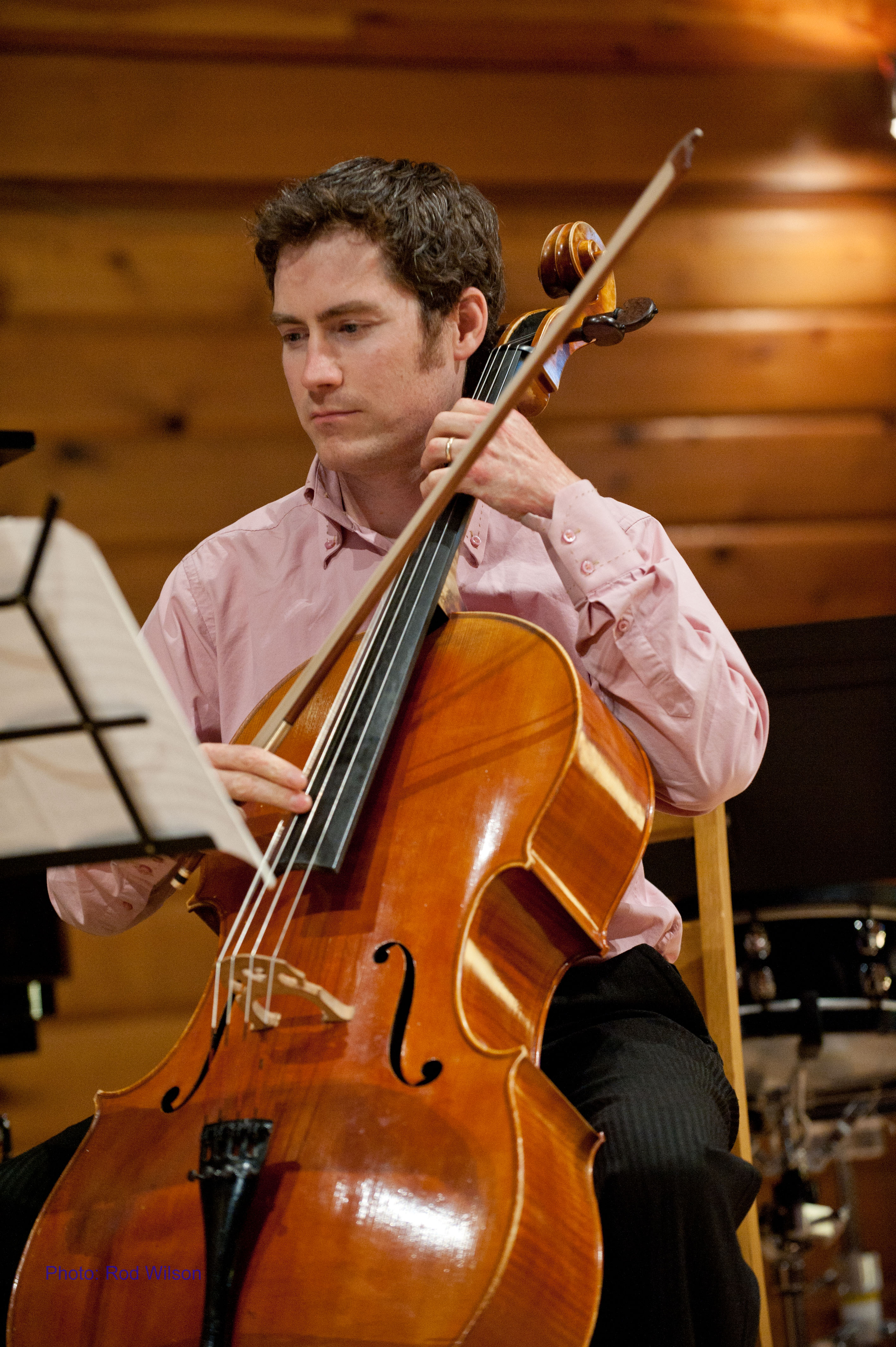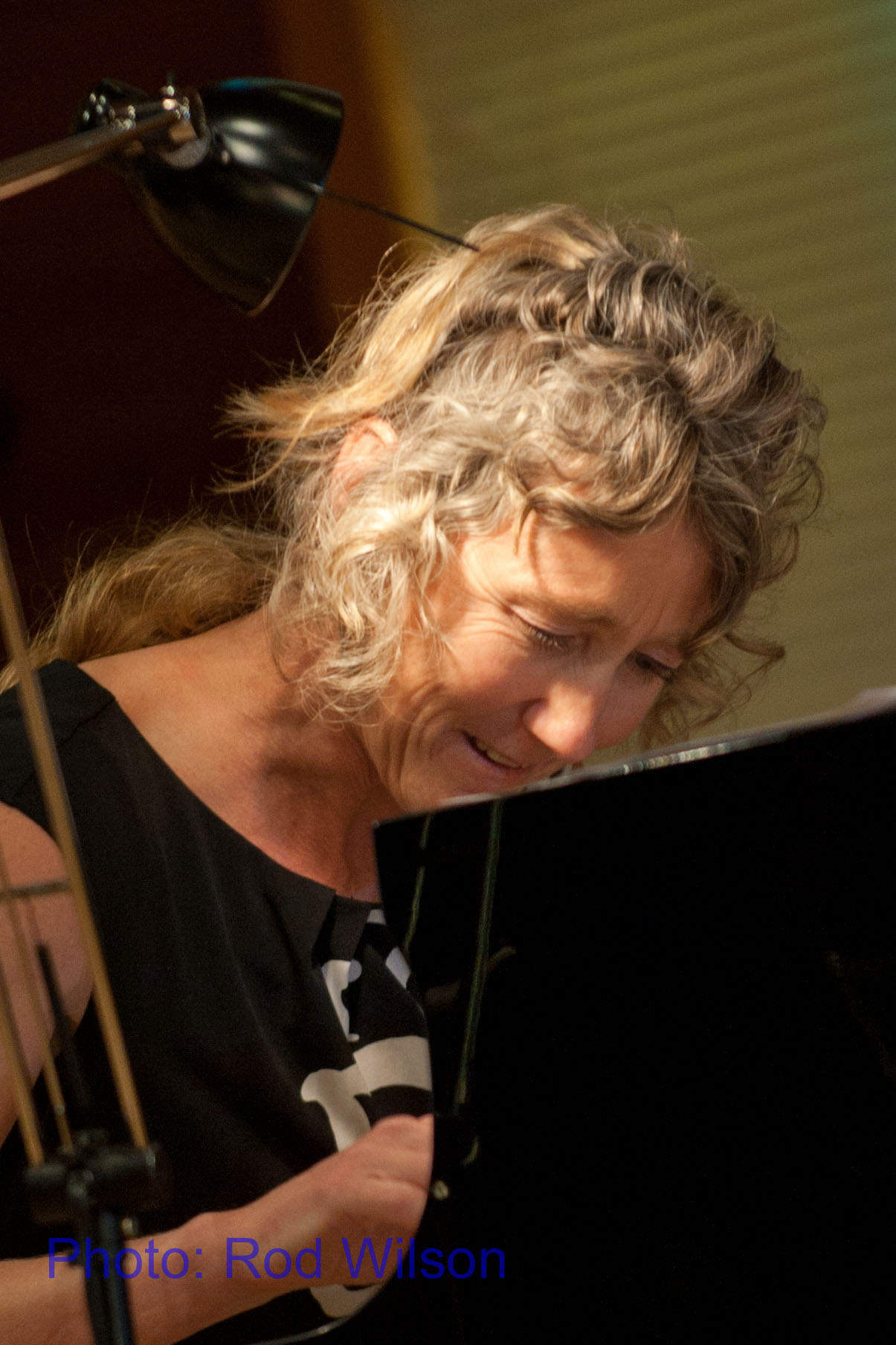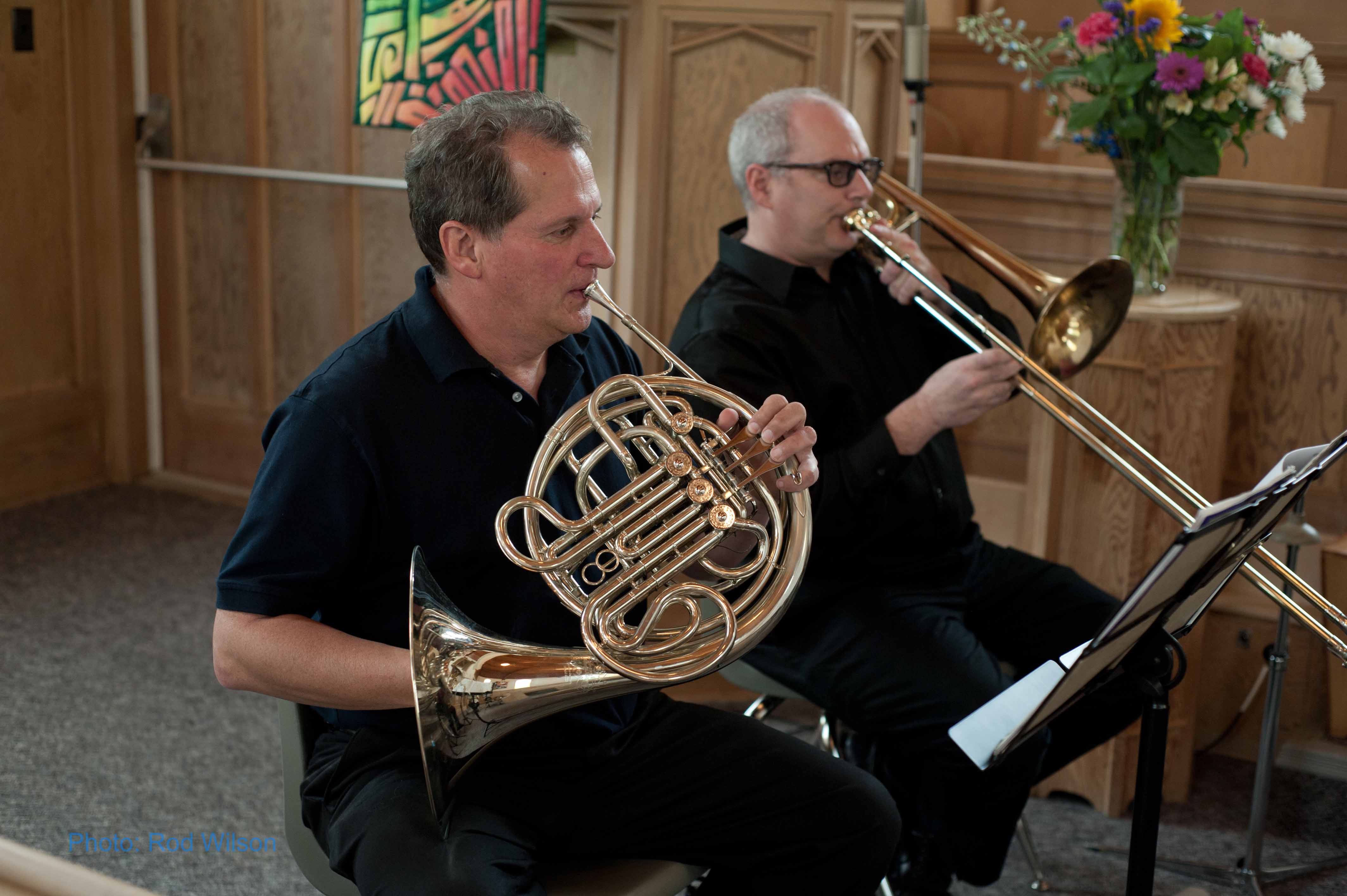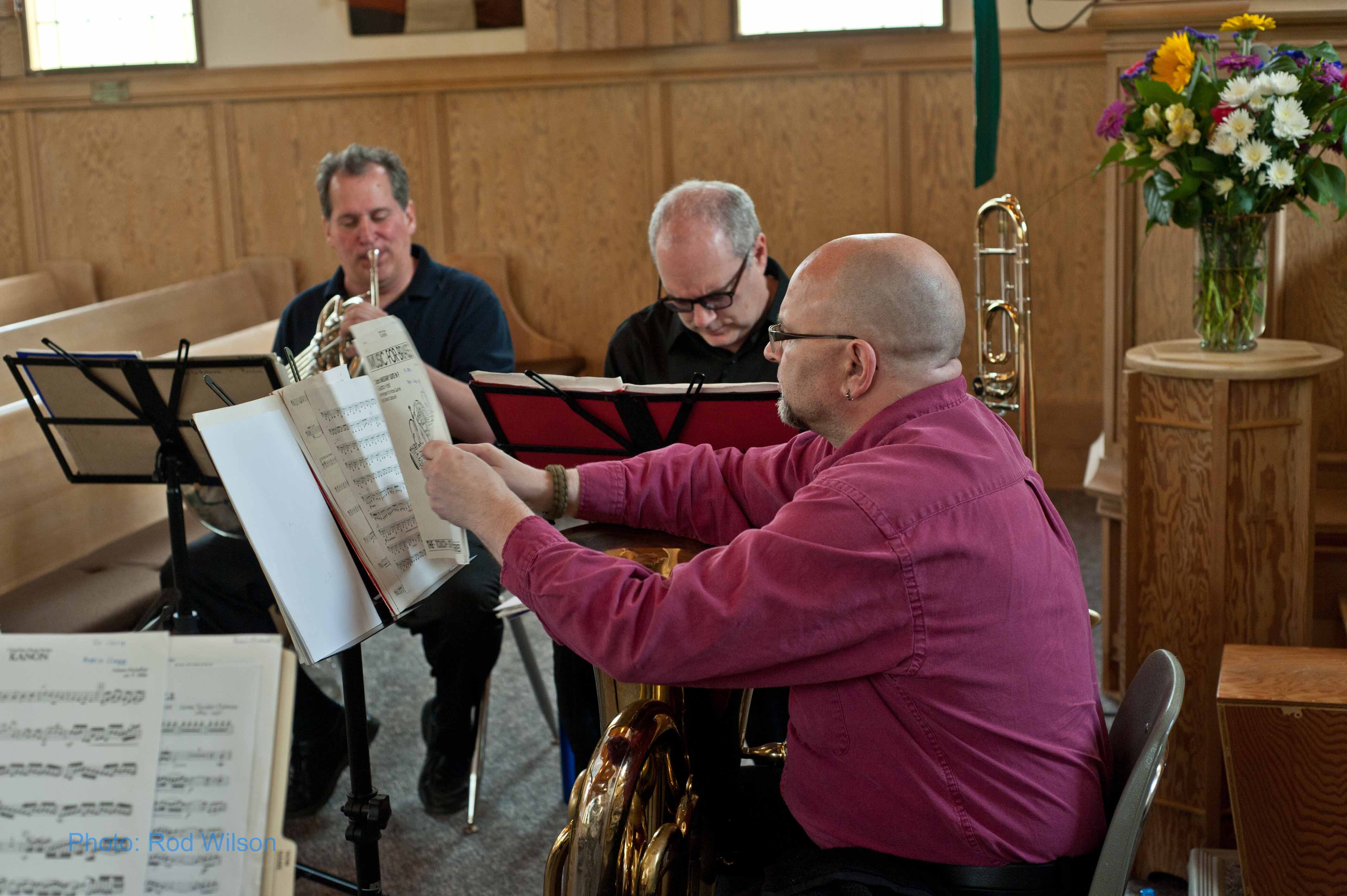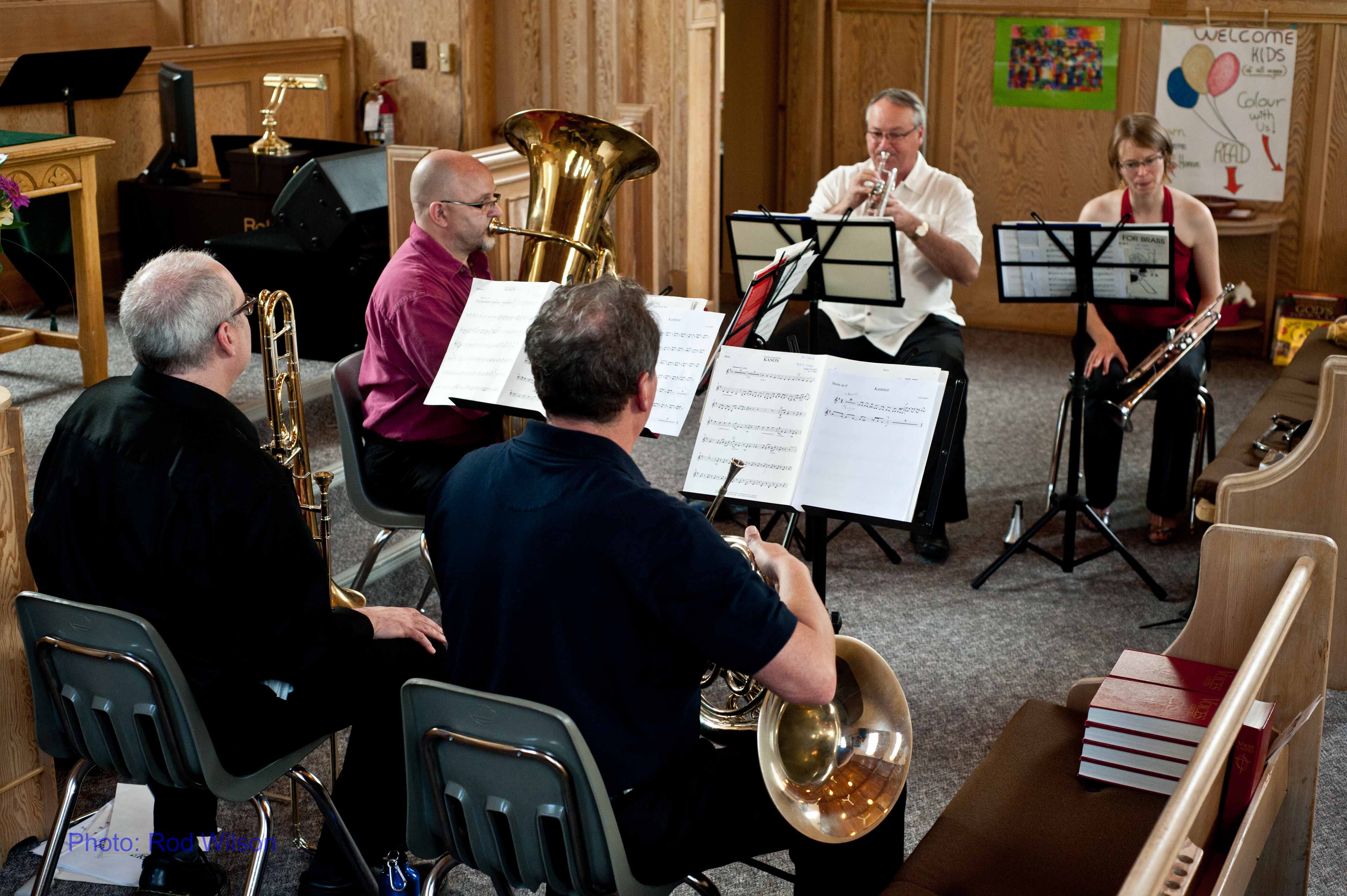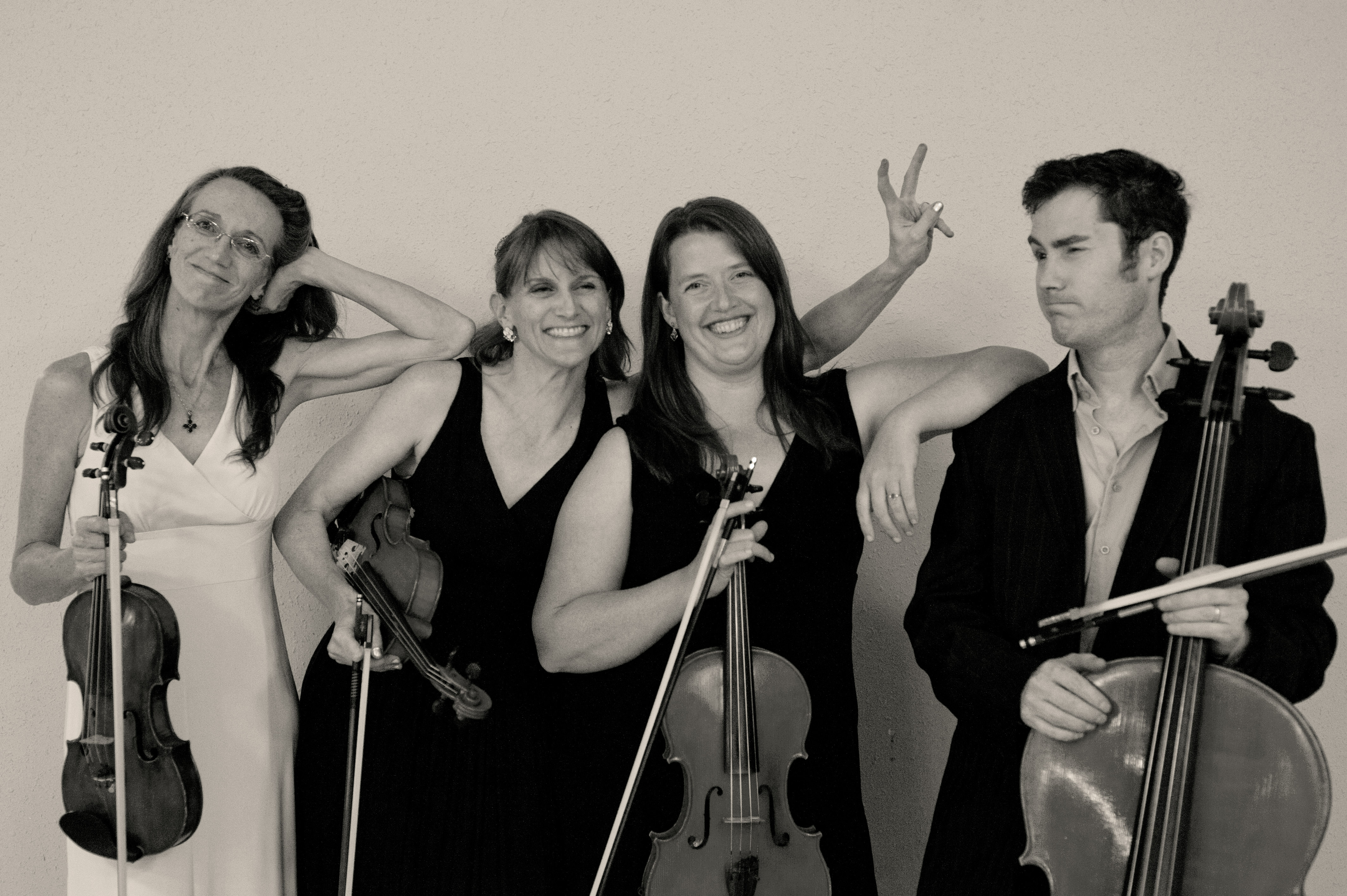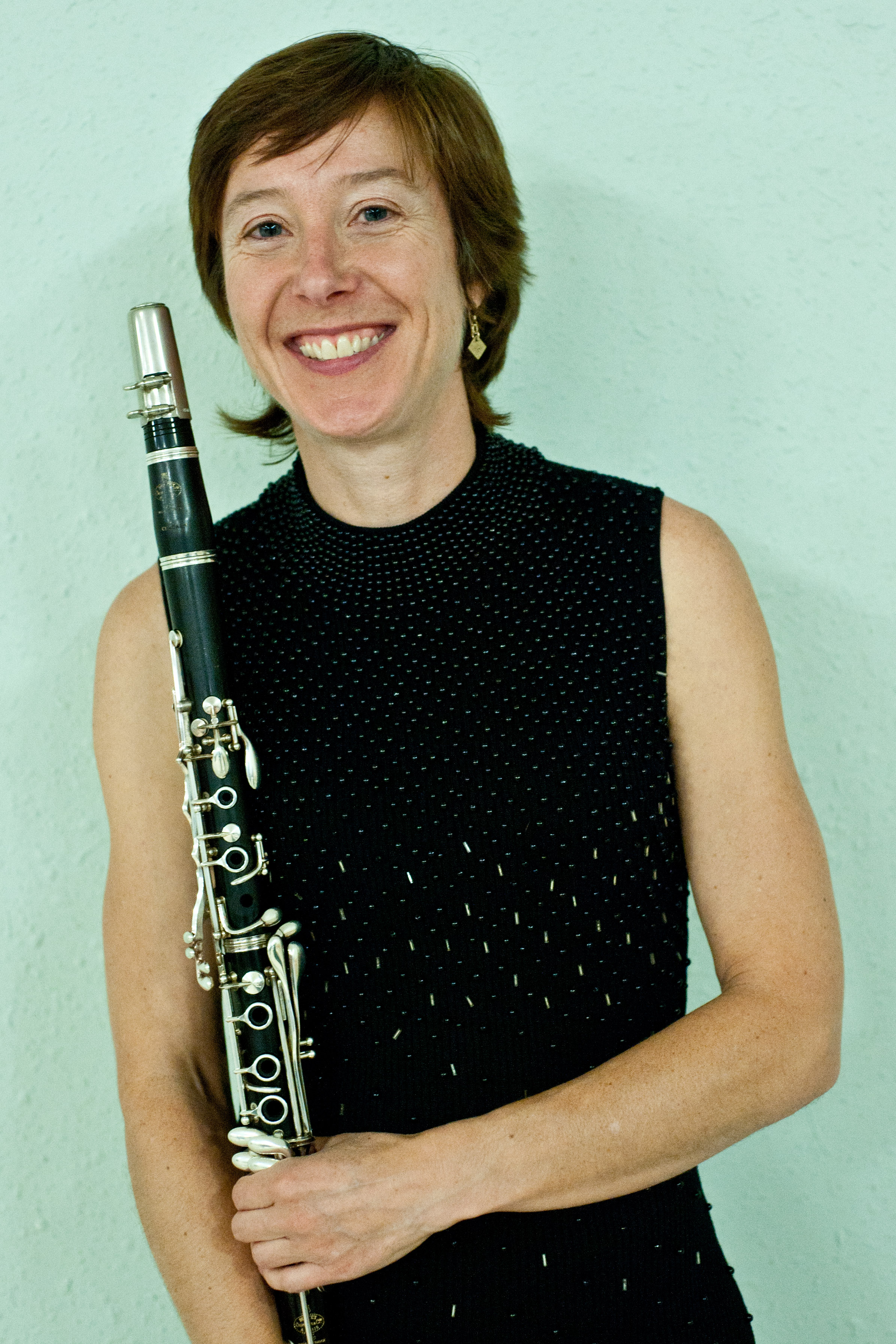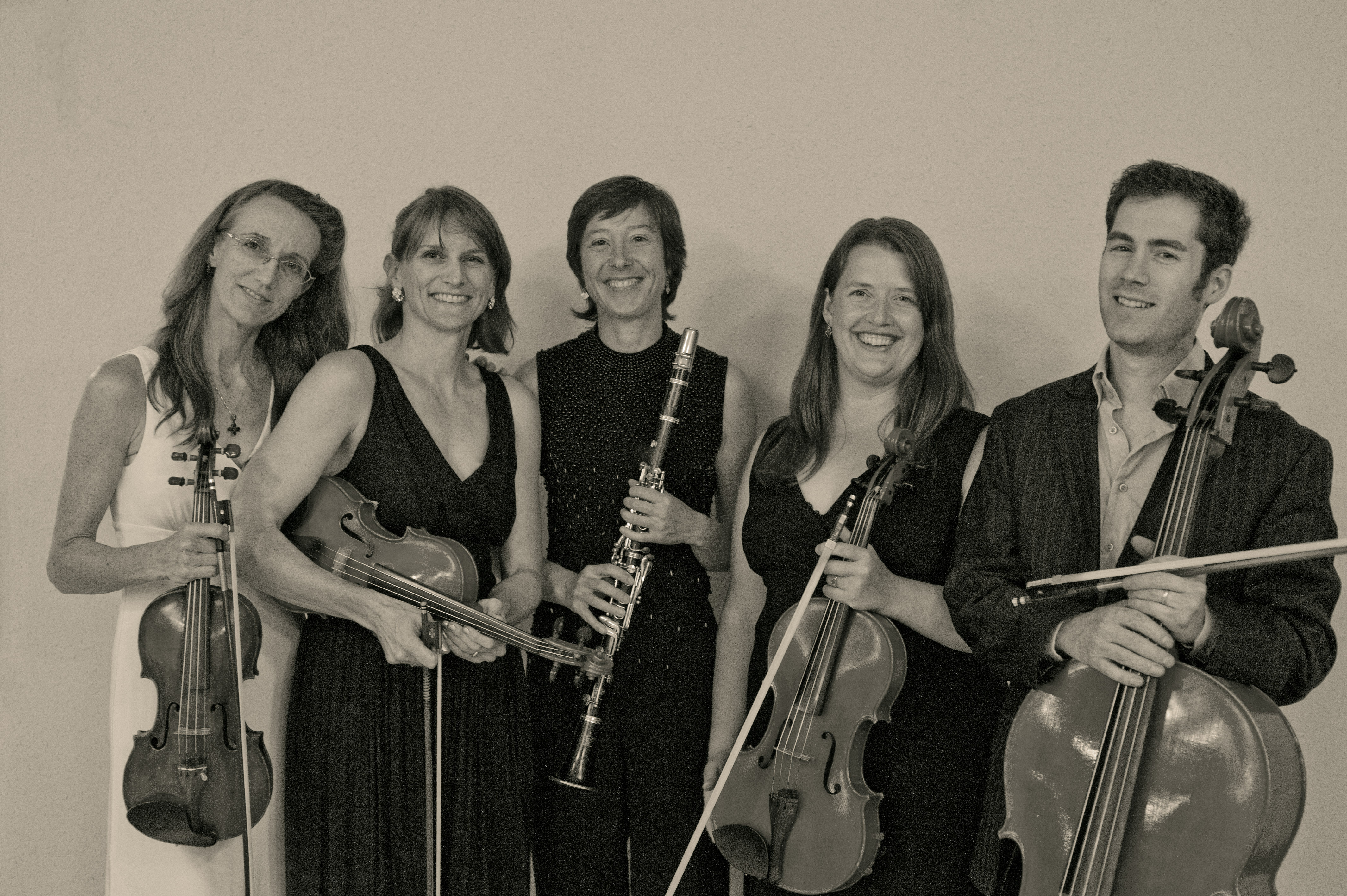
LILIES AT THE BASS OF THE ROCKIES – THE LILY STRING QUARTET with Susan Gould (Piano) and Matt Heller (Double Bass) Knox Presbyterian Church, Sunday November 17, 2013, 2pm 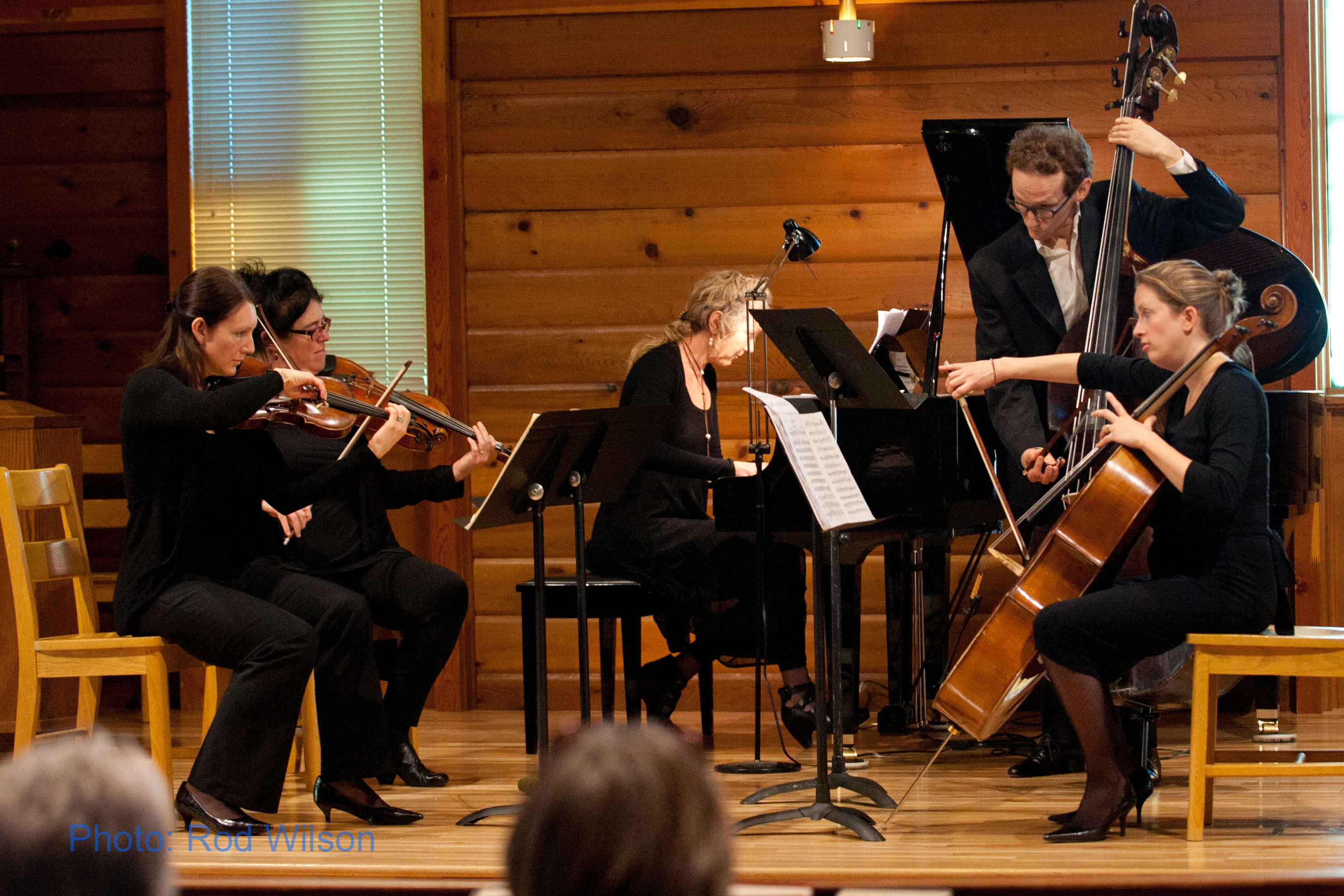
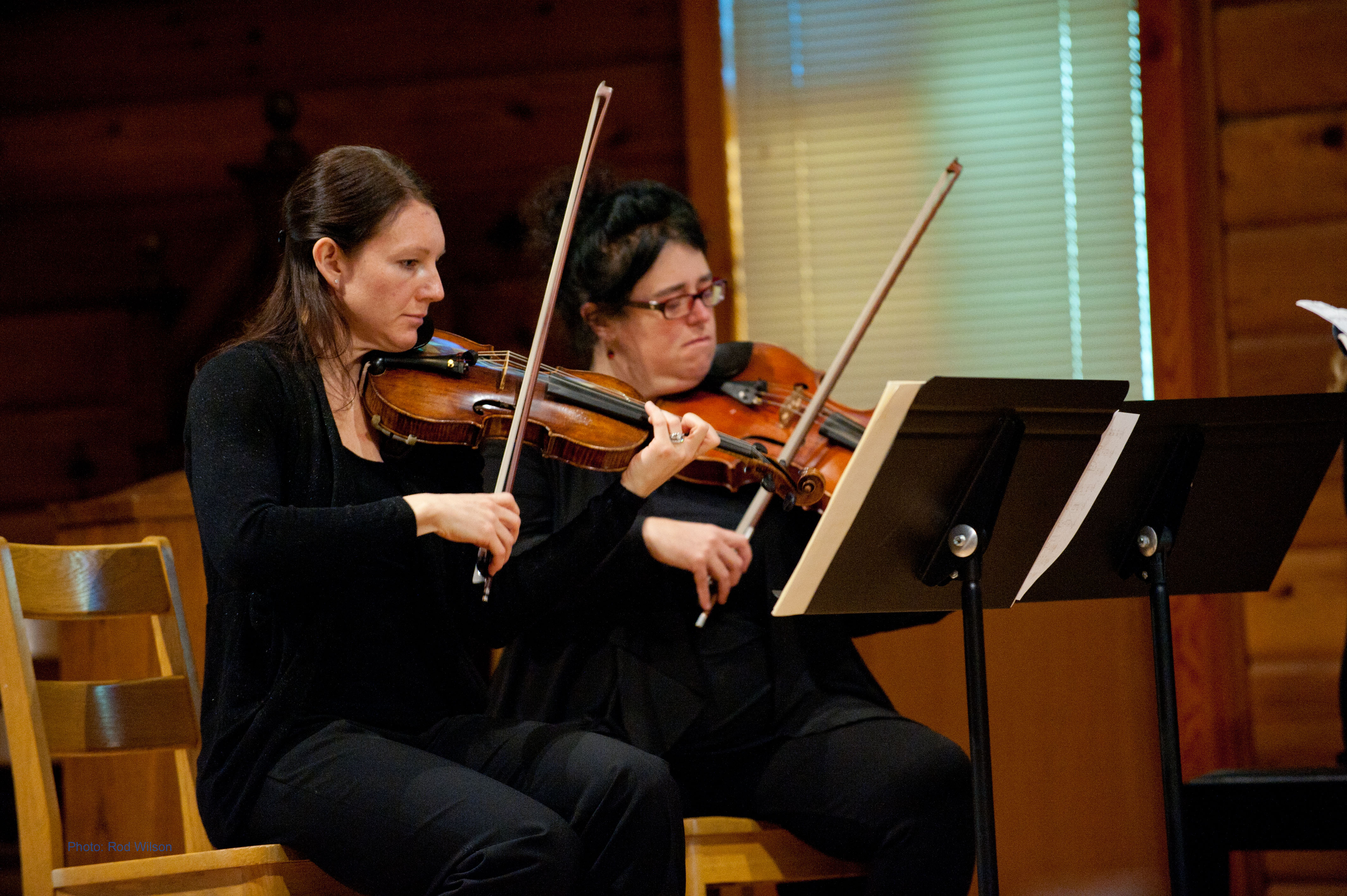
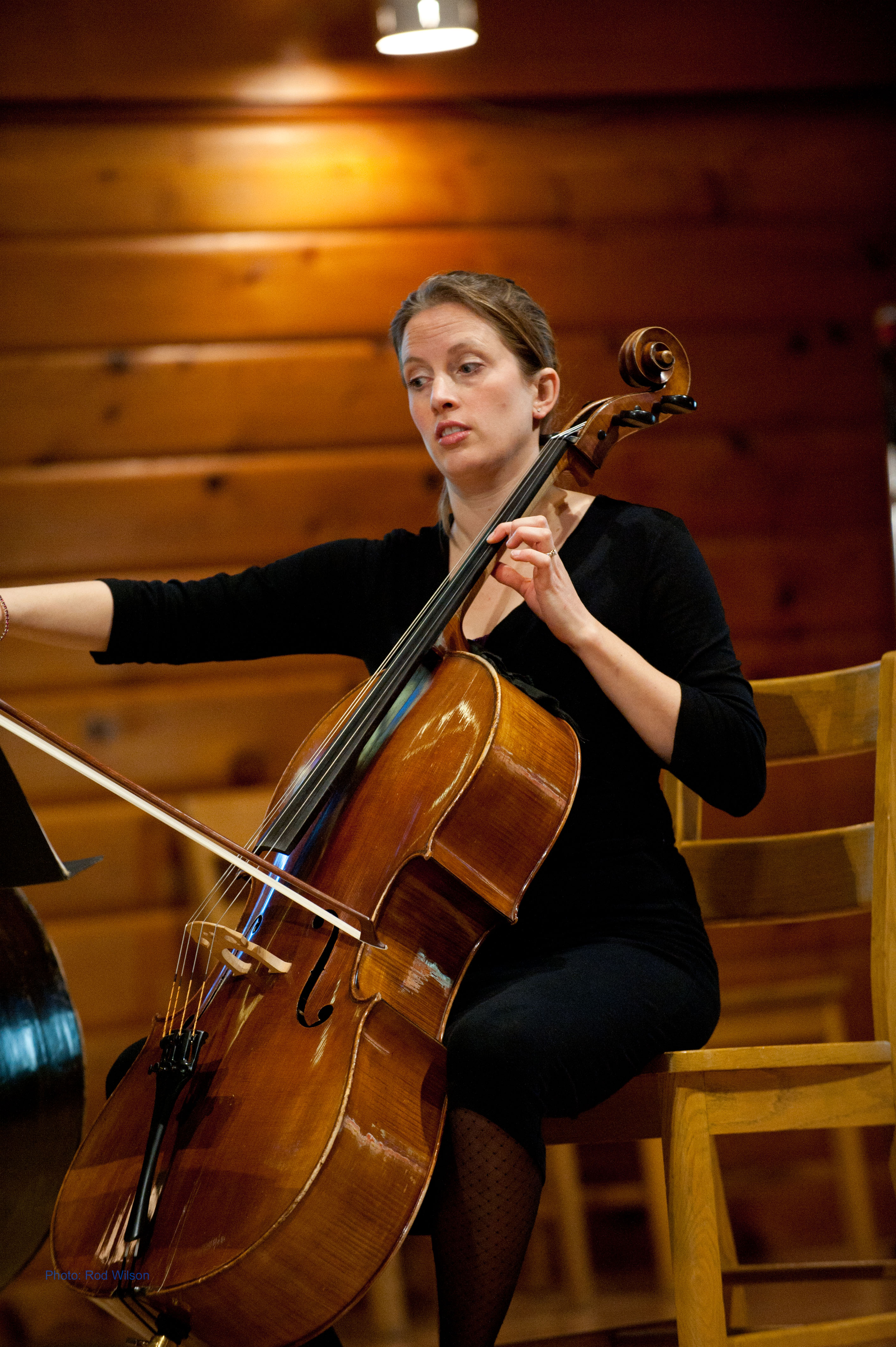
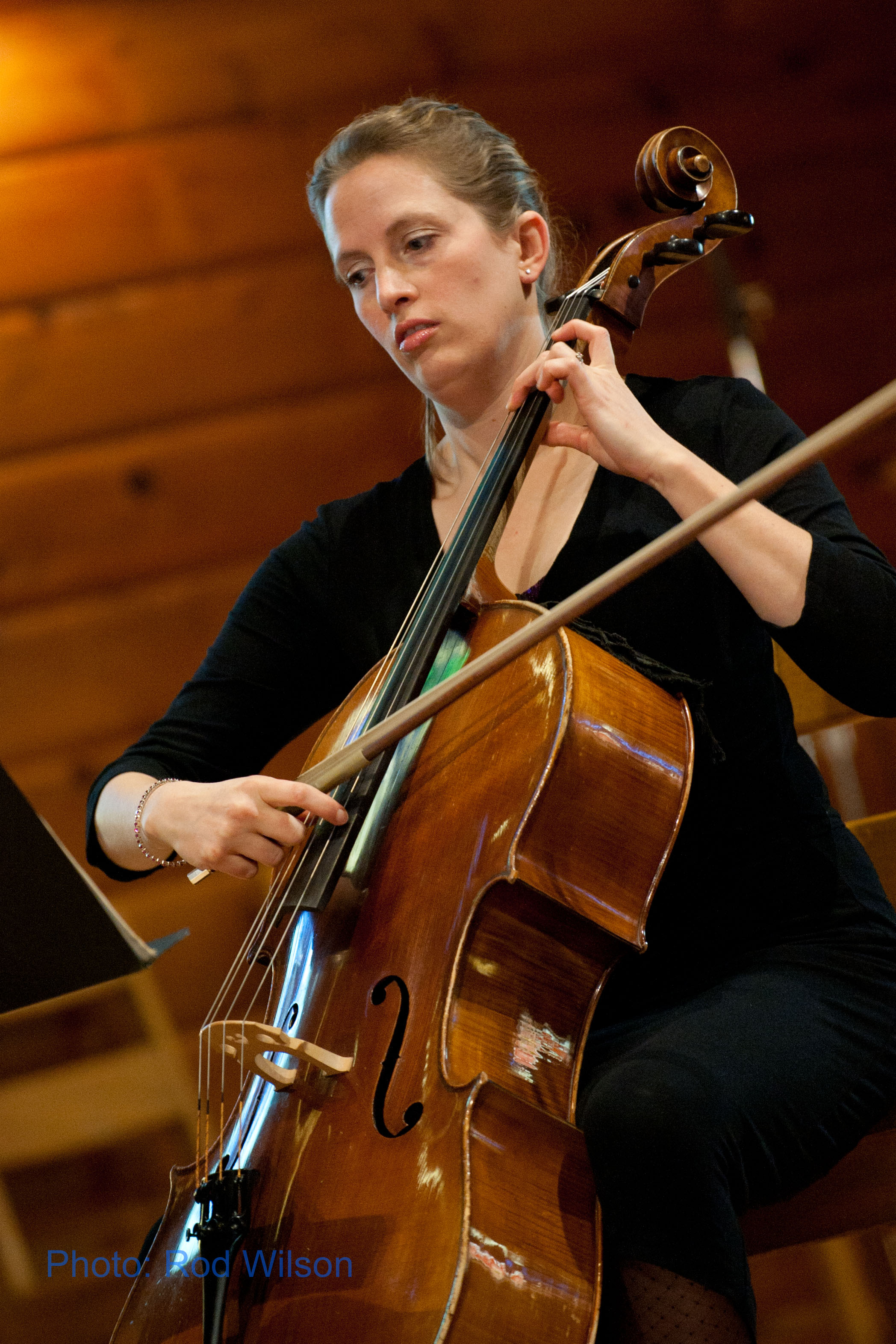
I like chamber music and I don’t just mean classical chamber music. I like chamber music of just about any pursuasion. Why? Mostly because it’s human scale and in the best settings it can be very intimate. Chamber music doesn’t require mammoth organization and infrastructure for its presentation. At a basic level it just requires a 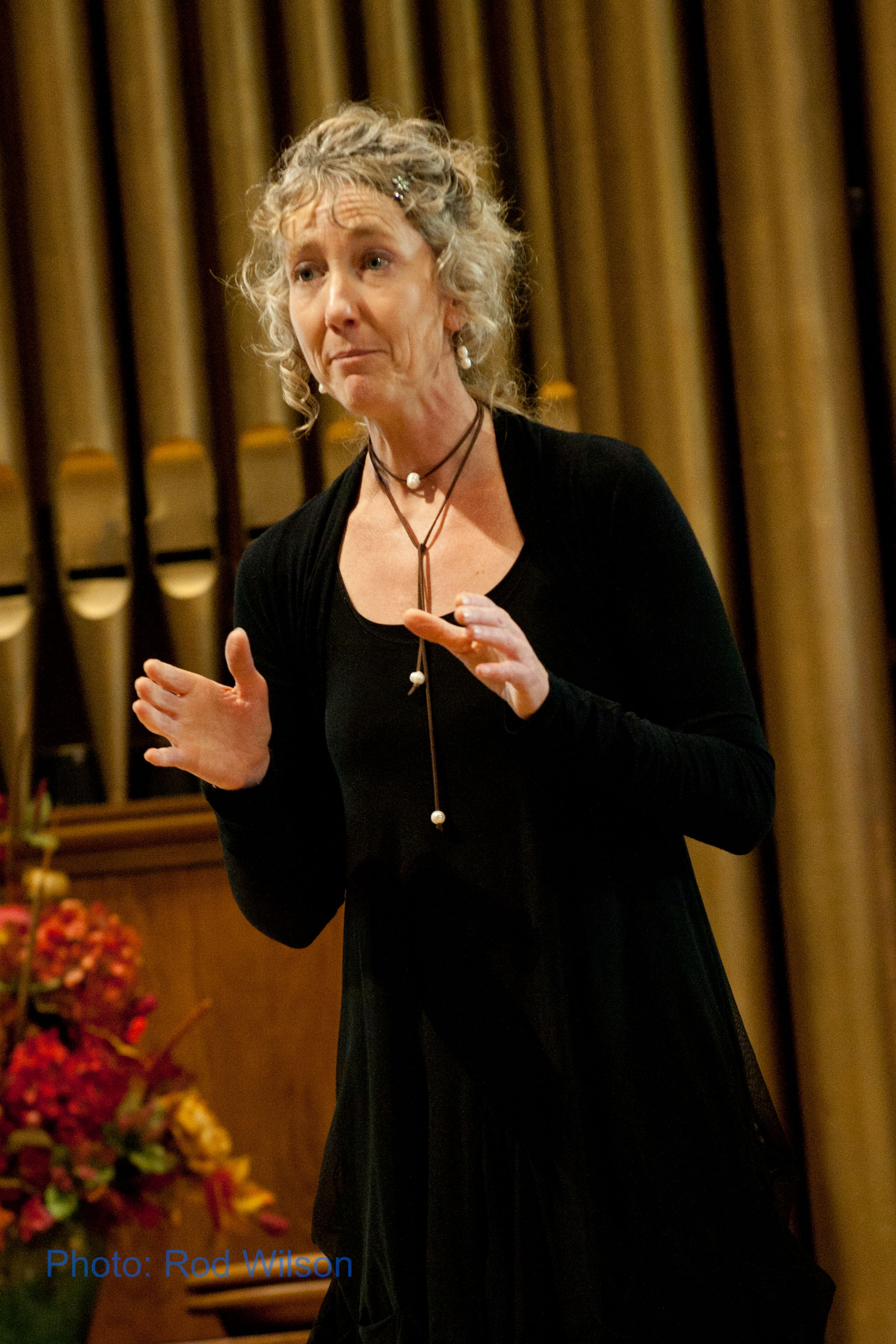 bunch of like minded musicians and a small venue with minimal or no sound re-enforcement. In this instance the bunch of musicians were The Lily Quartet and guests Susan Gould (Piano) and Matt Heller (Double Bass) and the venue was the wonderful Knox Presbyterian Church
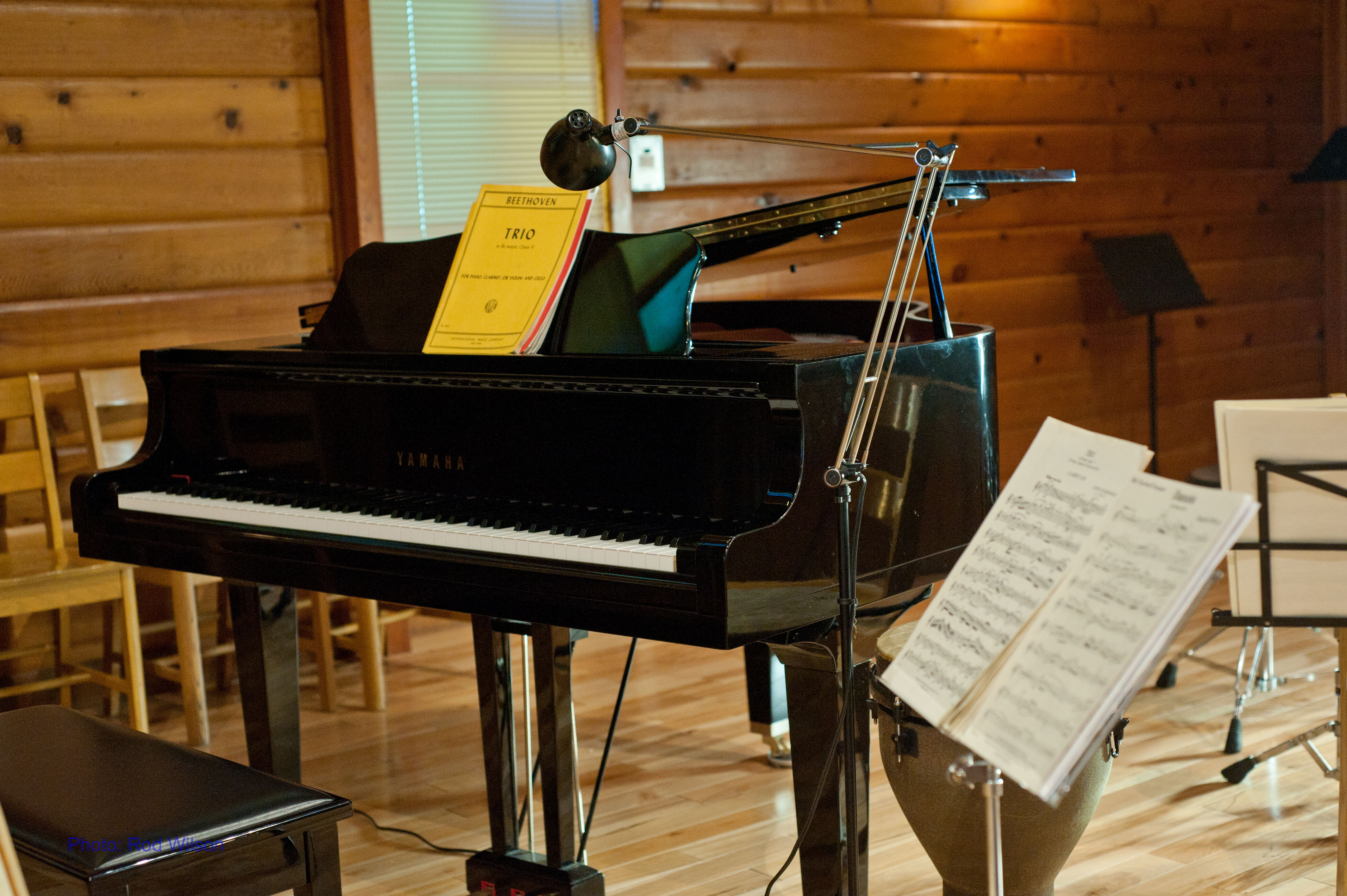
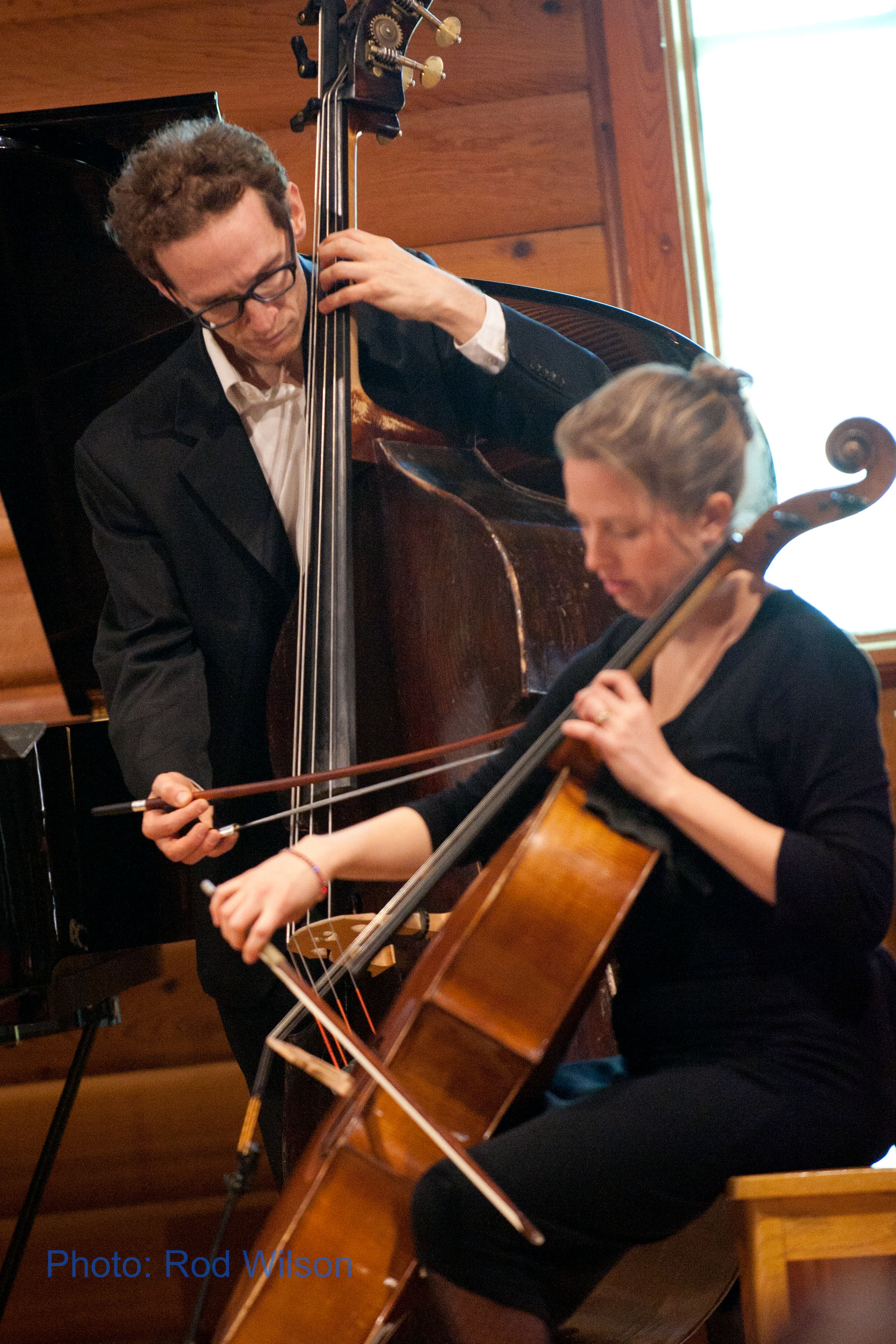
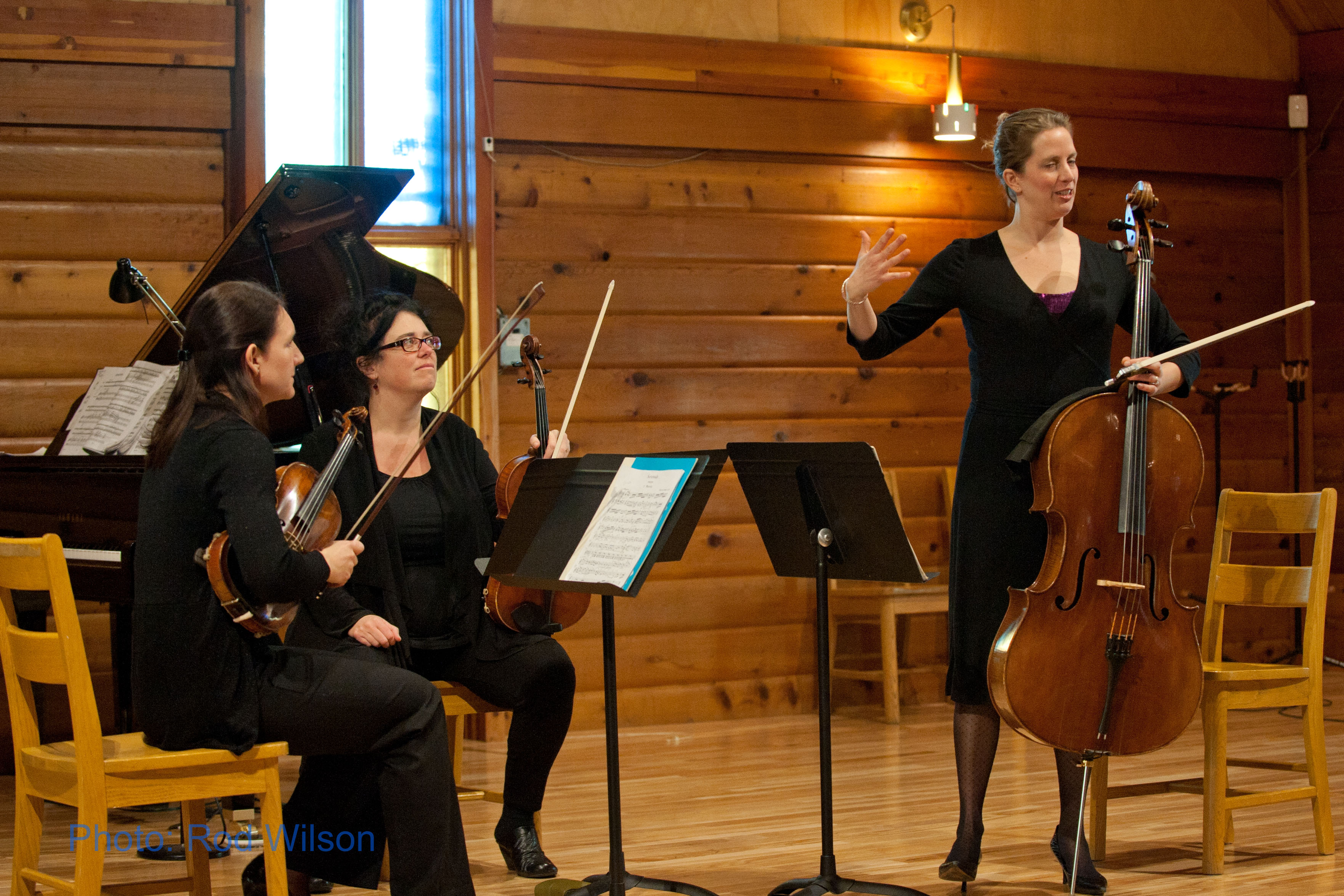
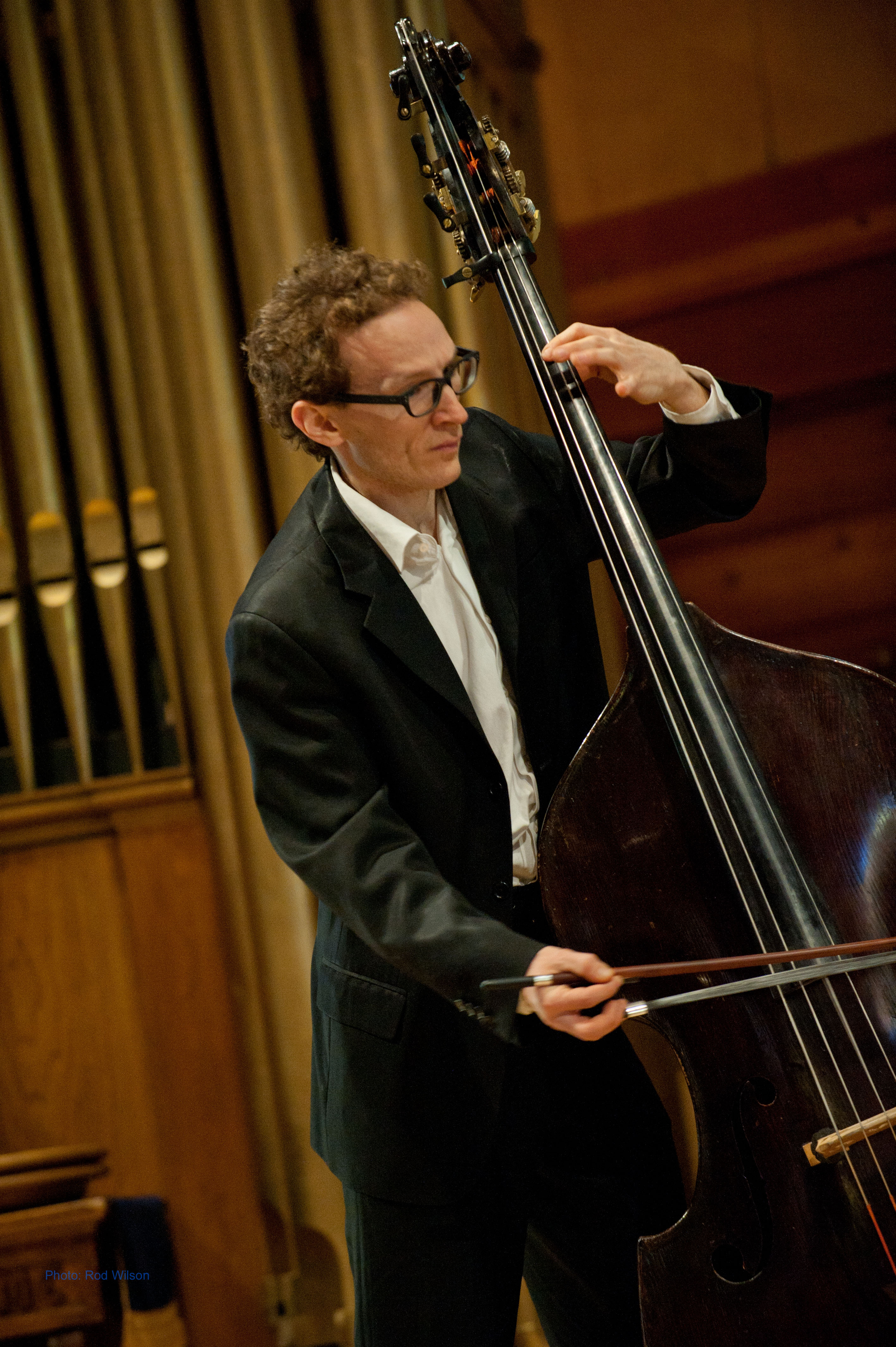
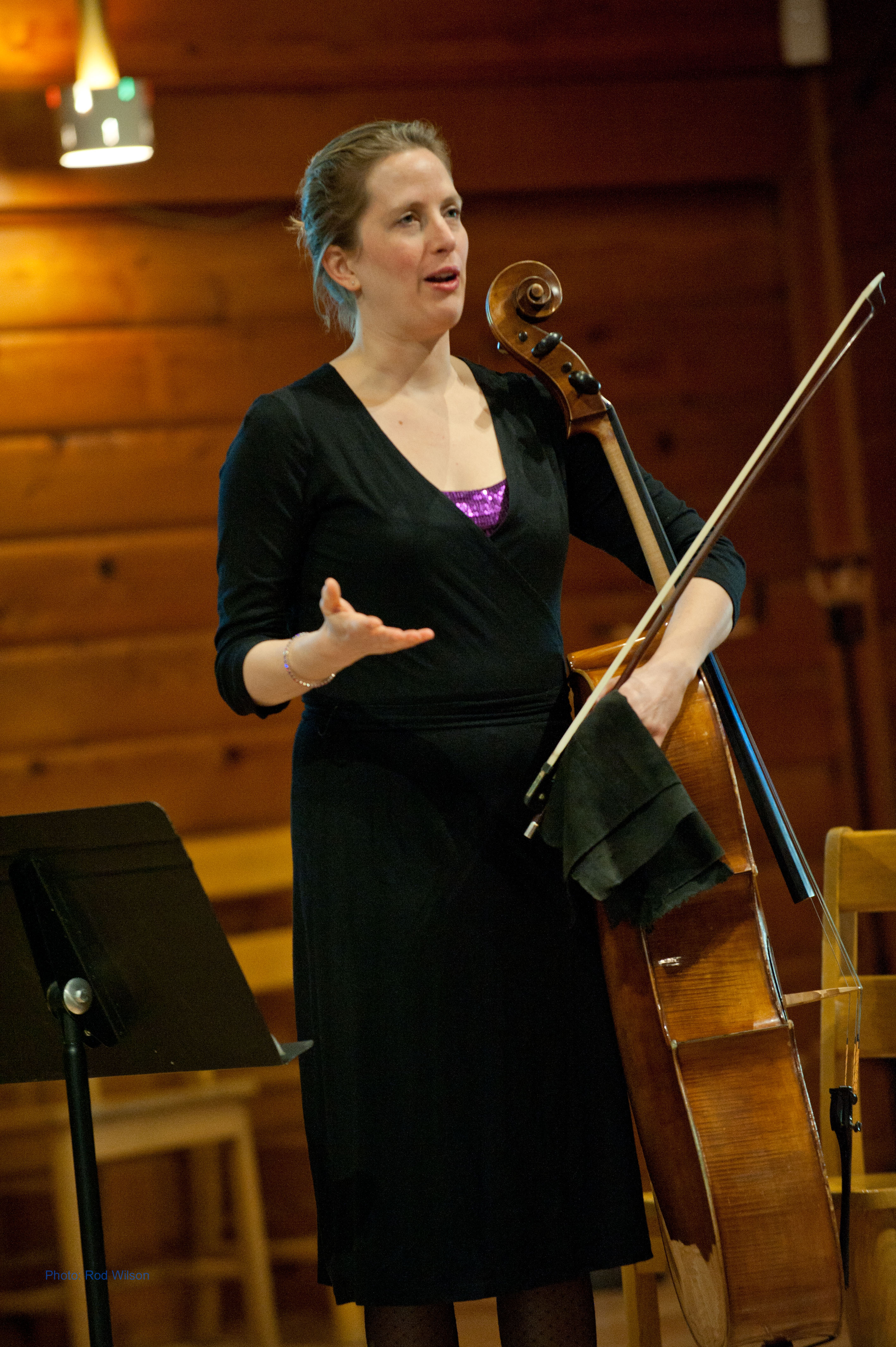
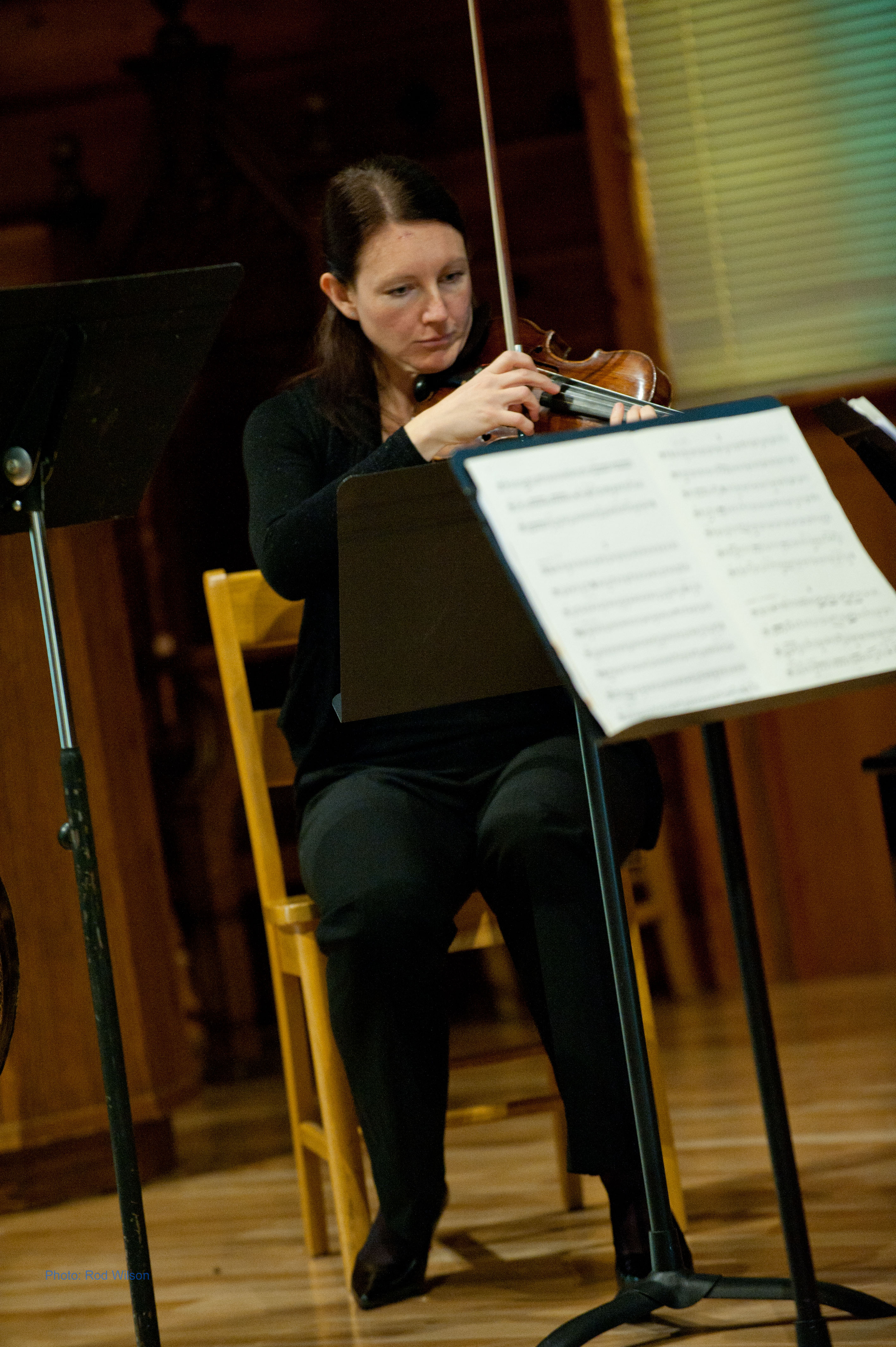
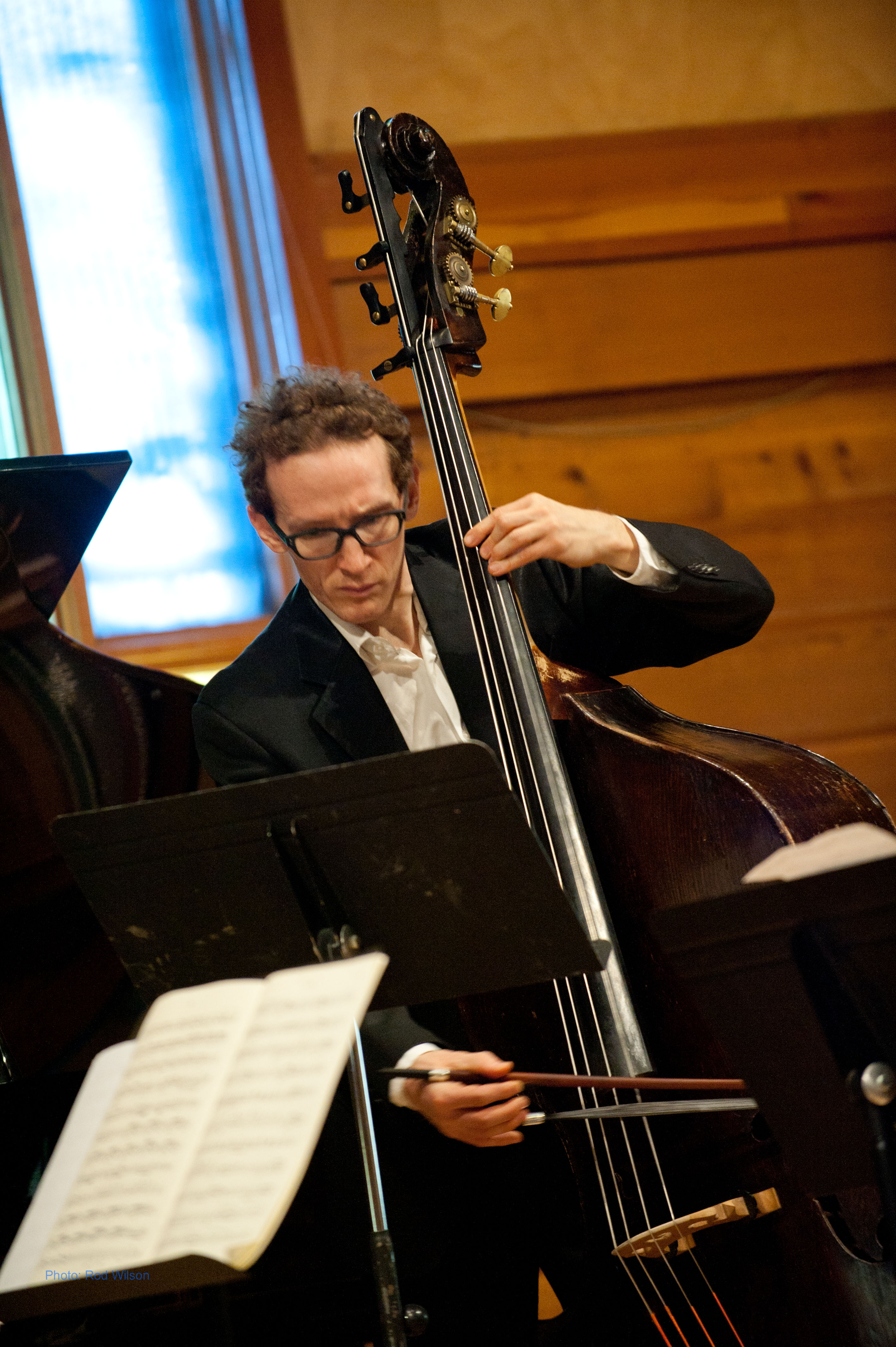
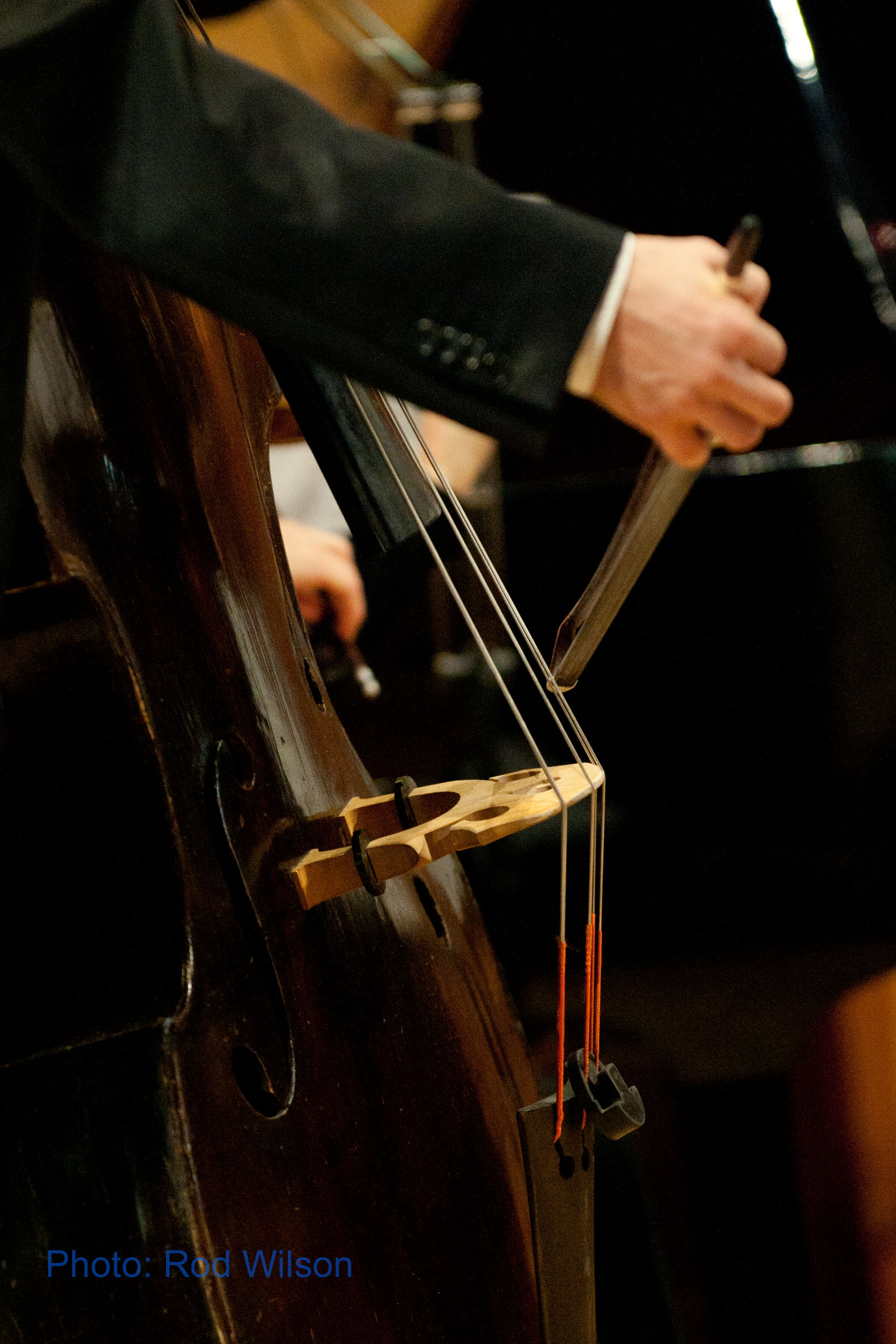
 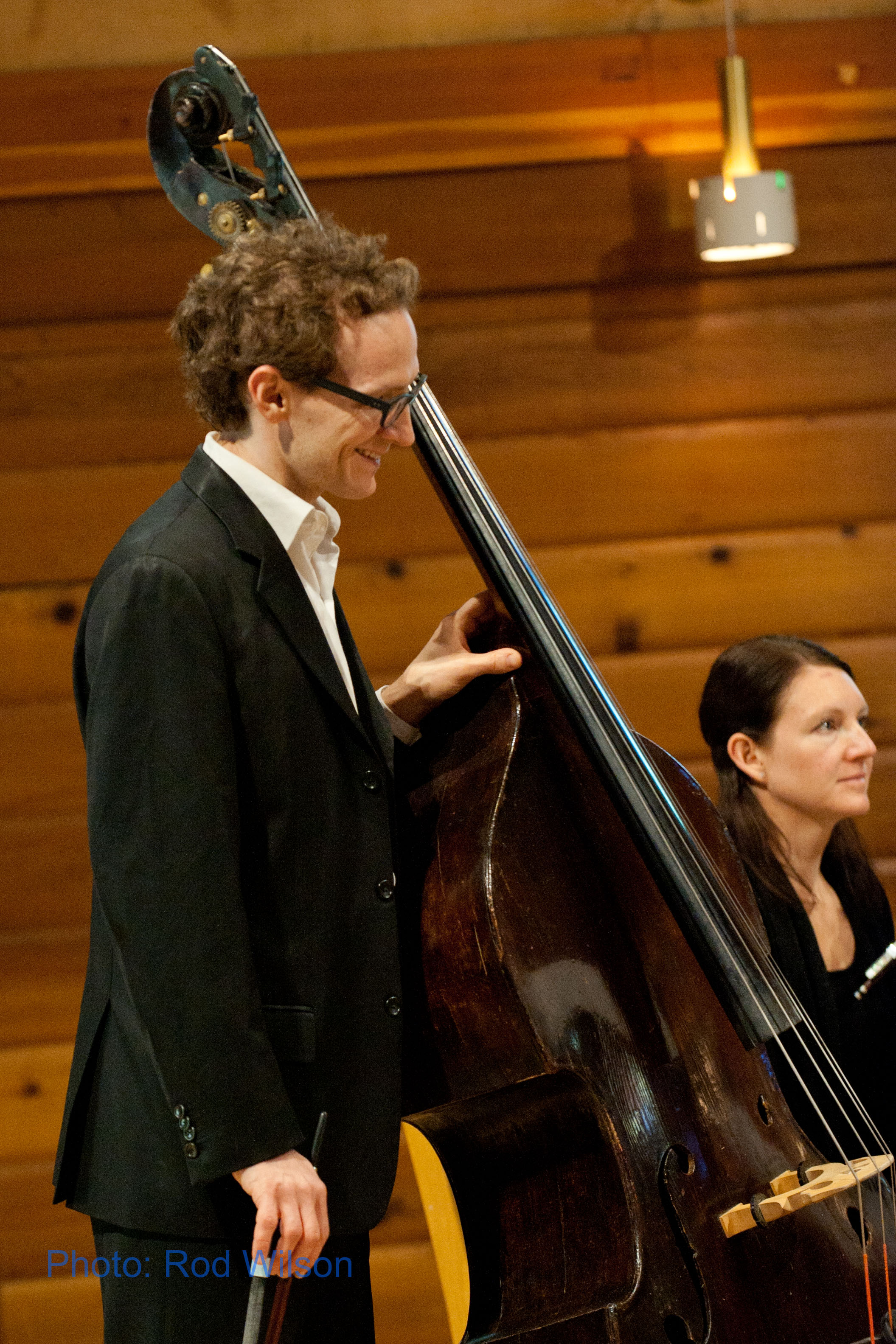 in Cranbrook. Normally the Lily Quartet consists of Andrea Case (Cello), Diane Lane (Violin), Patricia Higgins (Viola) and Elisa Milner (Violin). Now “necessity is the mother of invention” so when Elisa Milner was sidelined by the birth of her daughter in early November the quartet was reduced to a trio and this presented the group with a unique opportunity to explore different options. With the help of special guests they are able to present music that is different from the standard string quartet repertoire. The opening piece was the Solo Quartet #1 in C Major composed by F.A. Hoffmeister (1754-1812) for Solo Double Bass, Violin, Viola and Cello. Now the Double Bass is a huge instrument that, in this particular piece of music, requires some
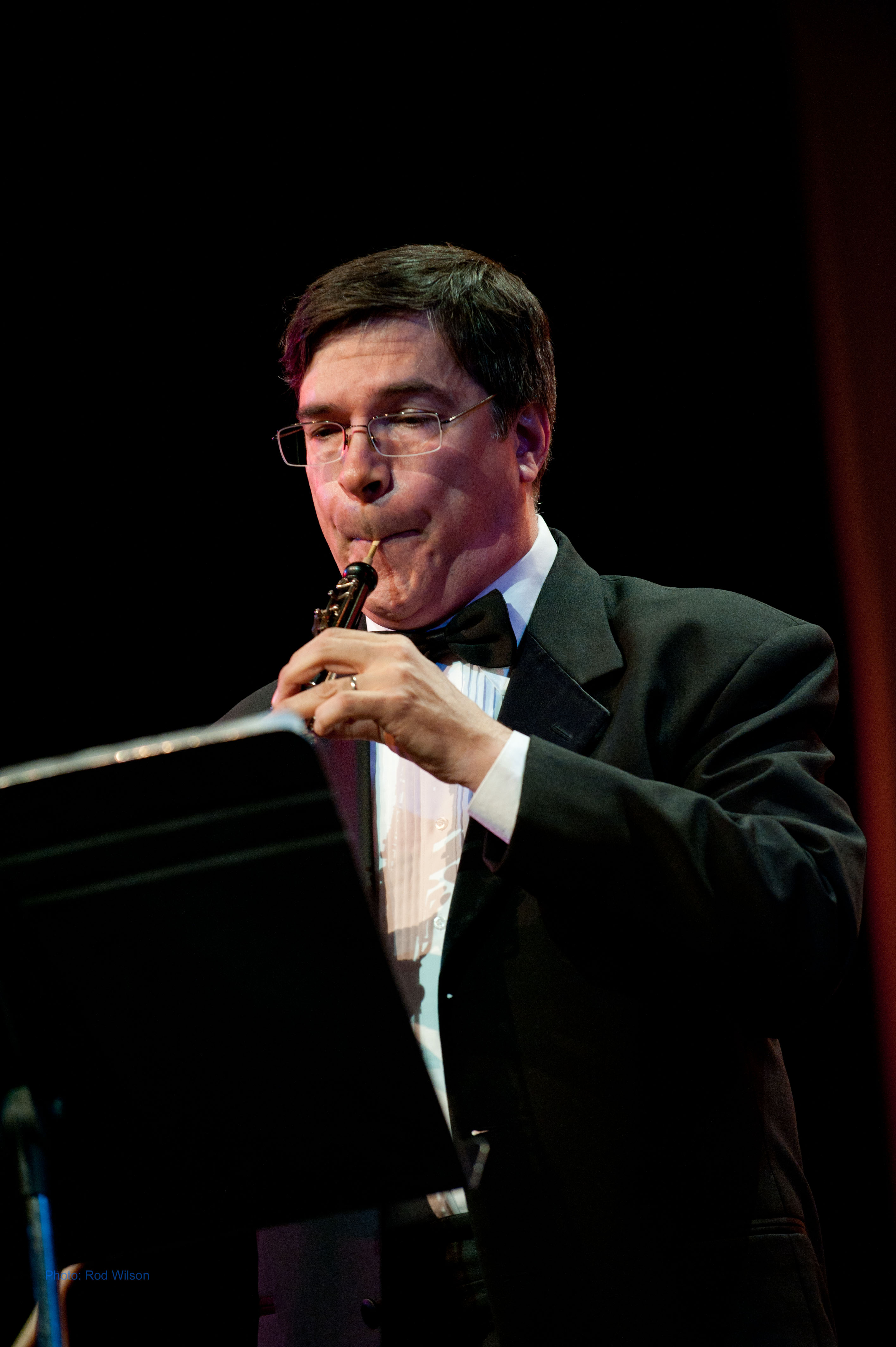
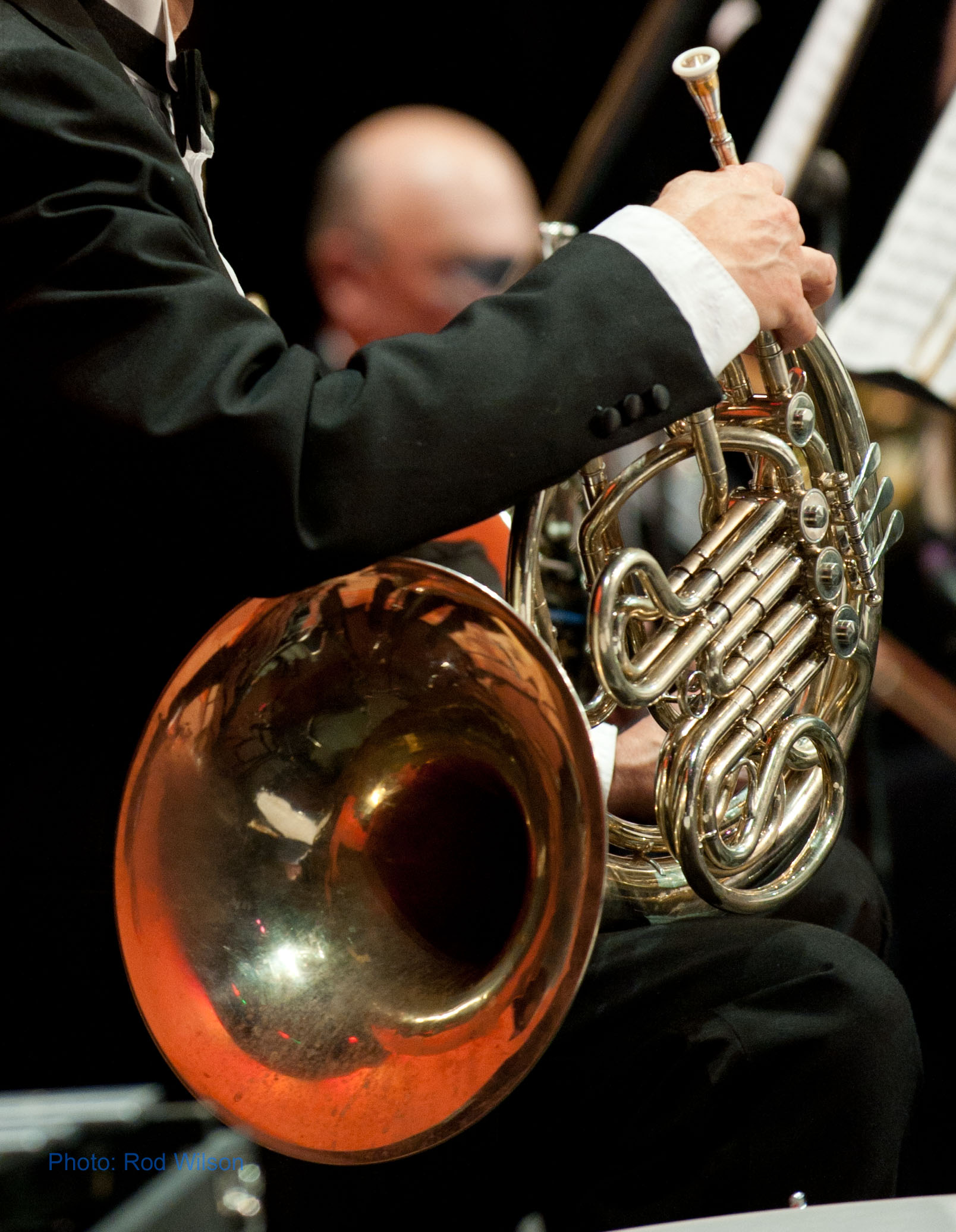
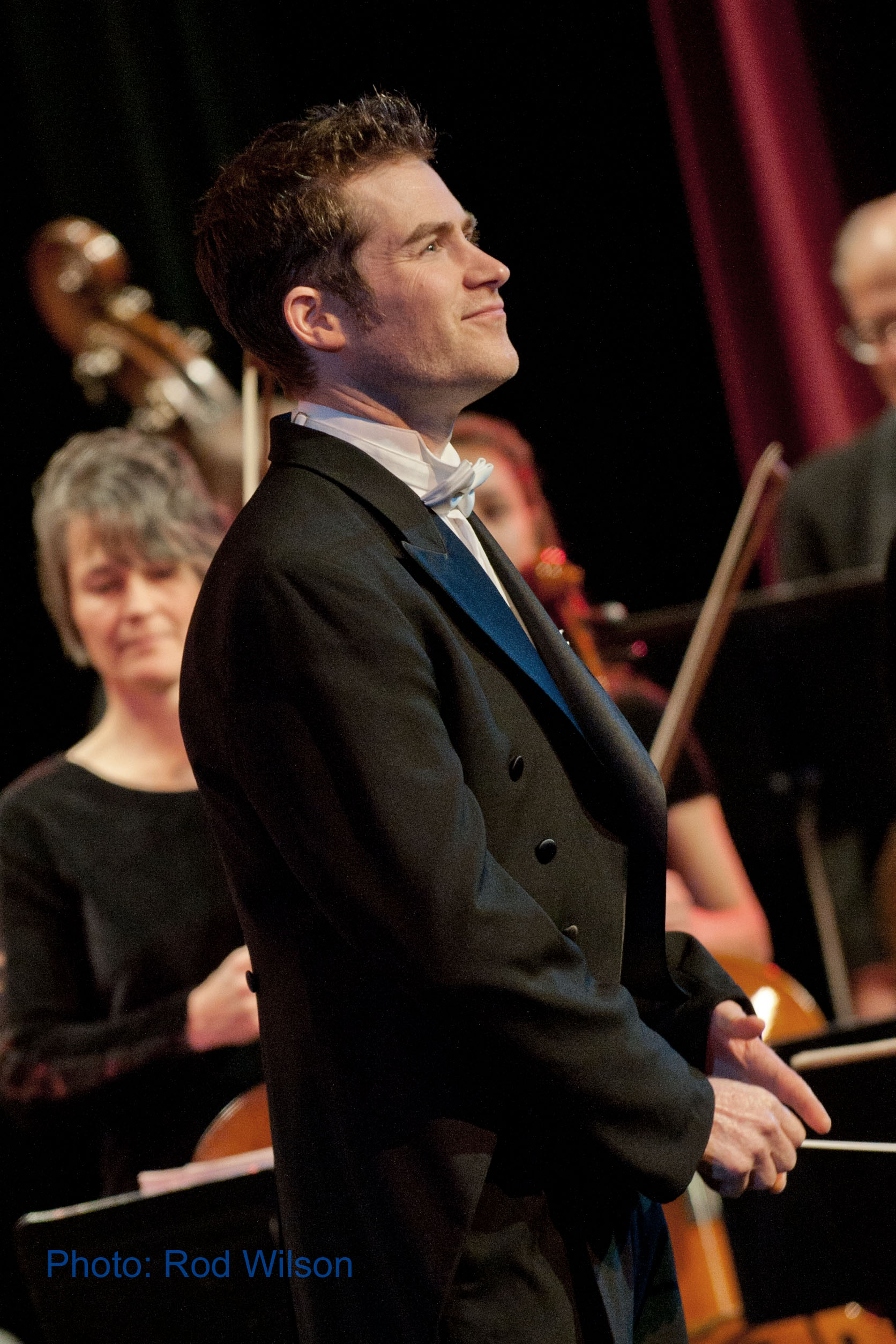
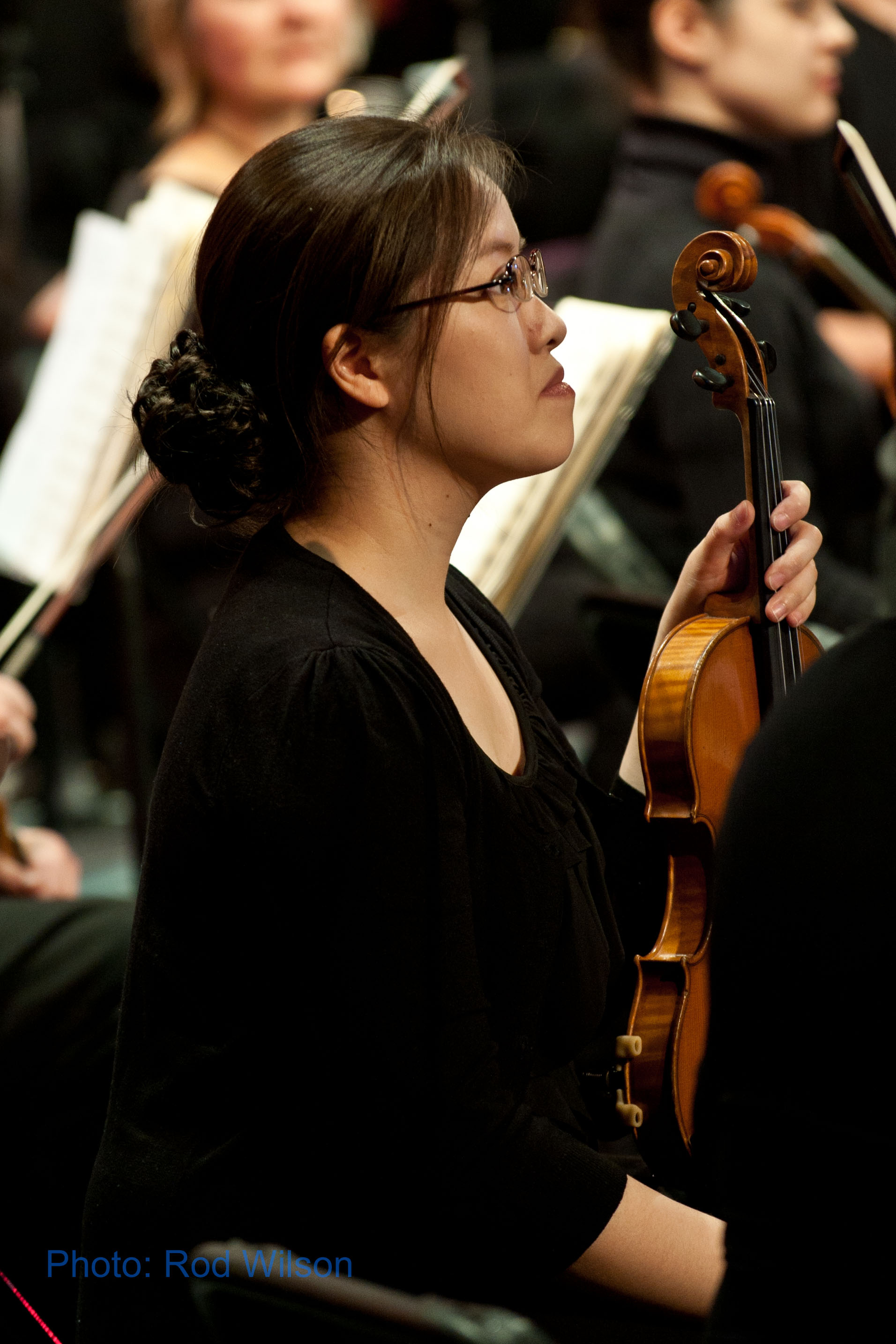
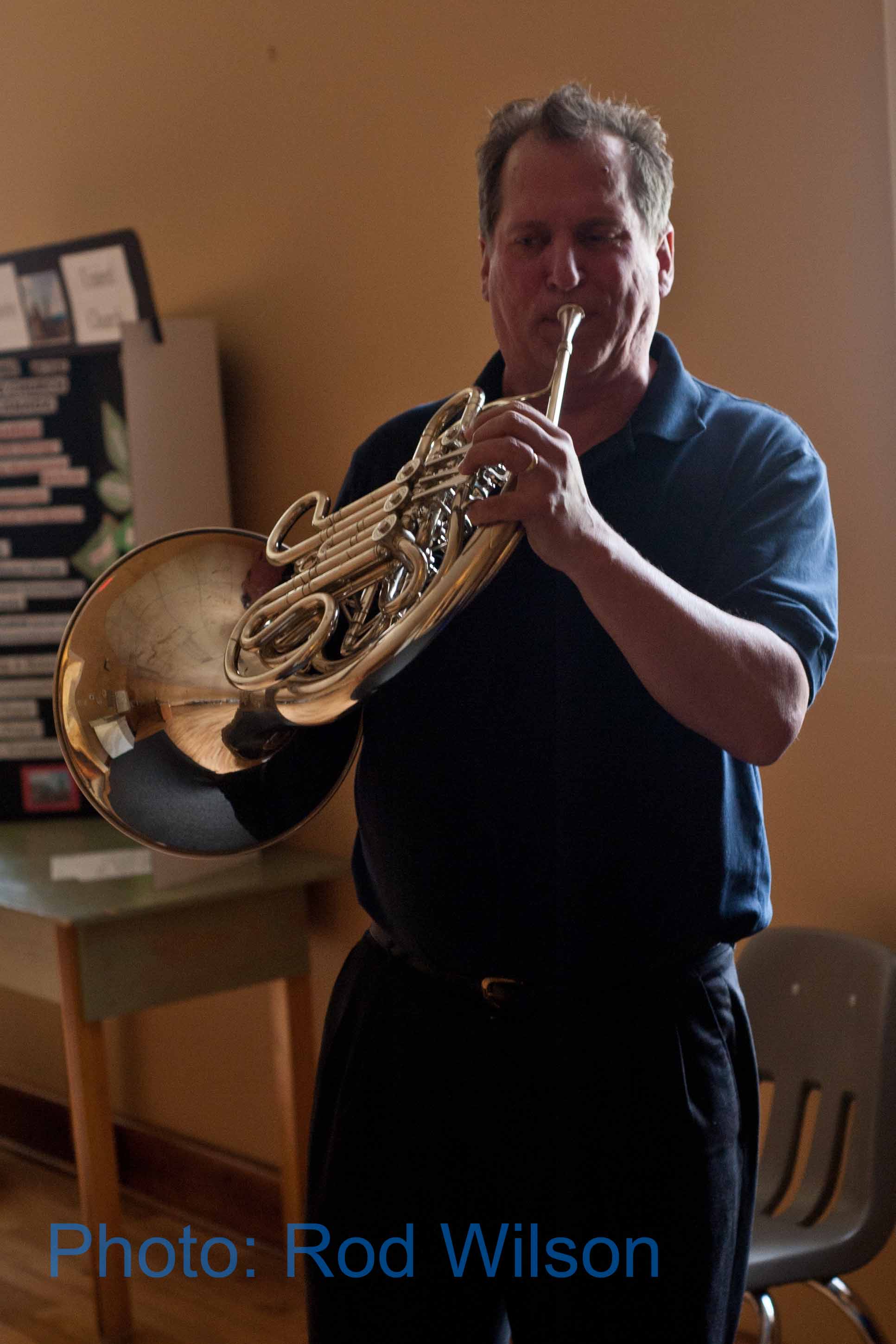
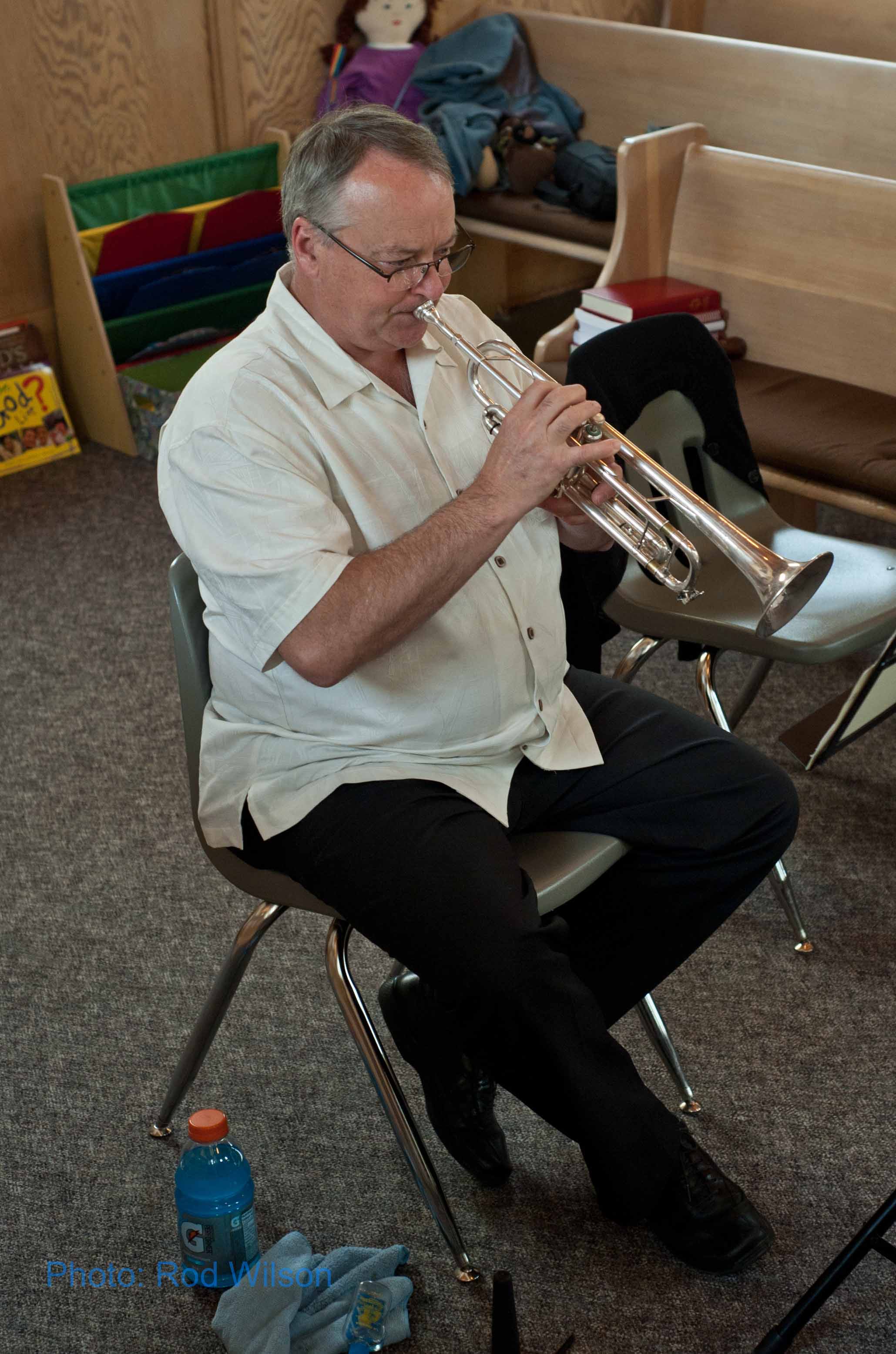
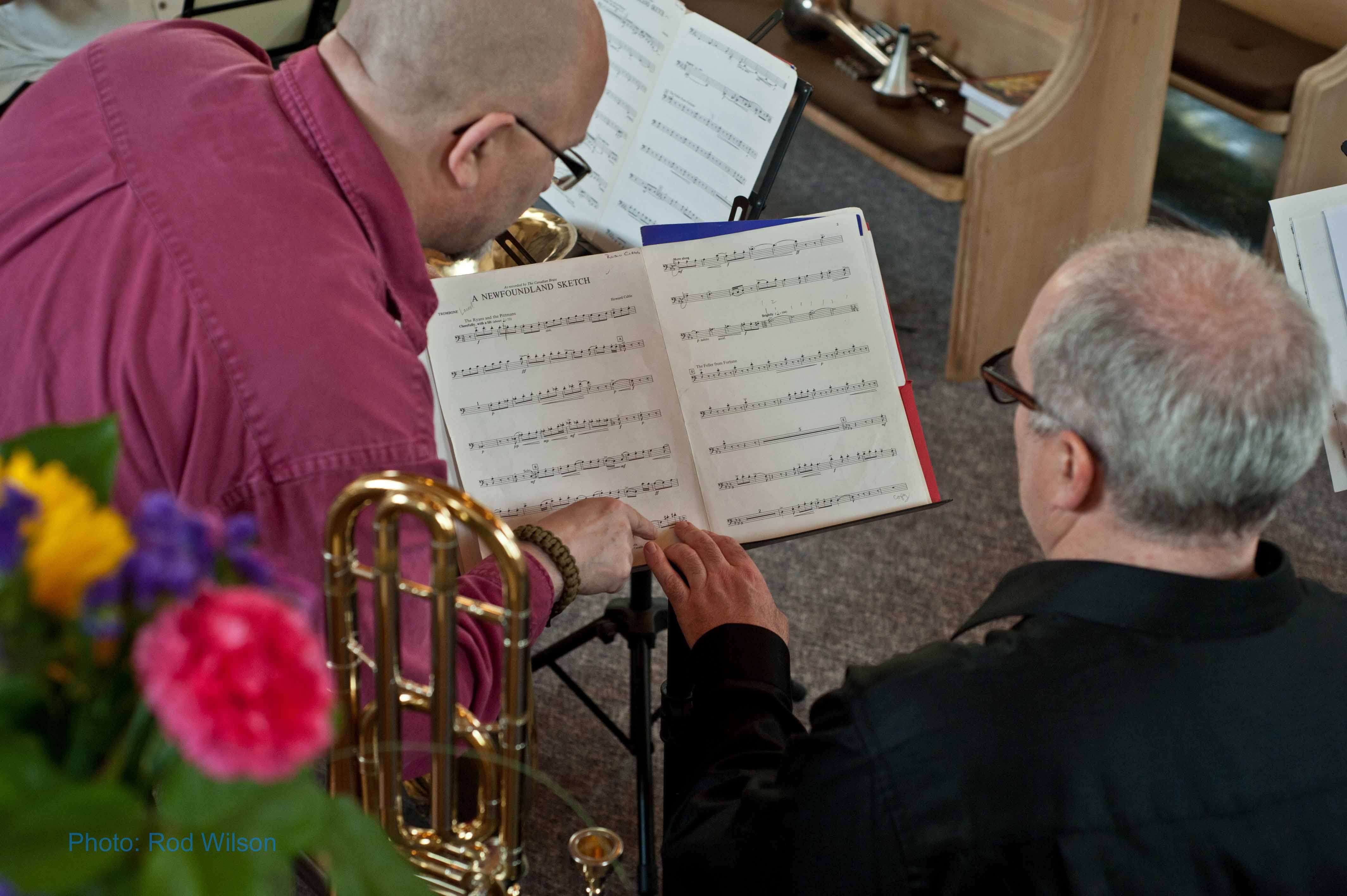
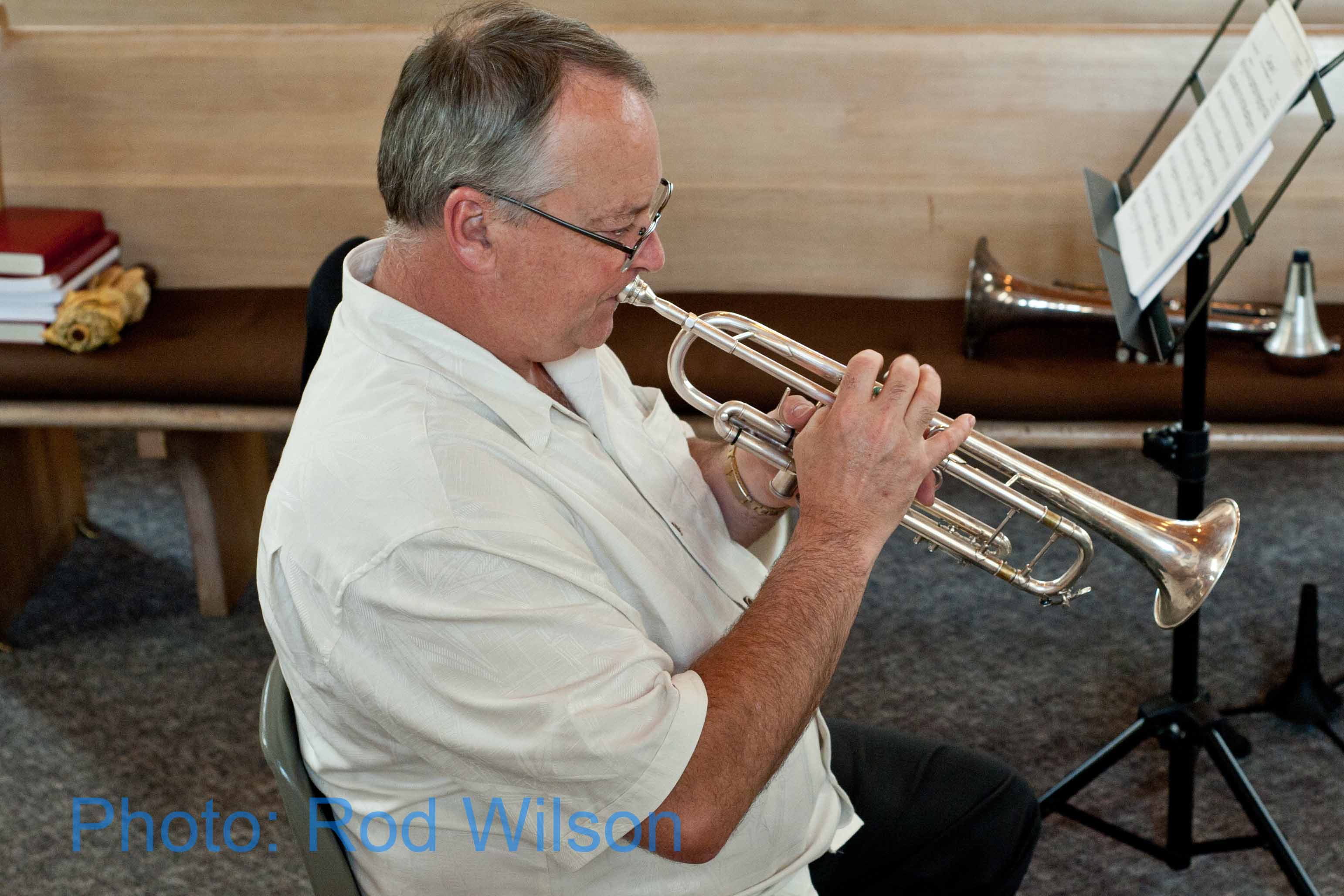
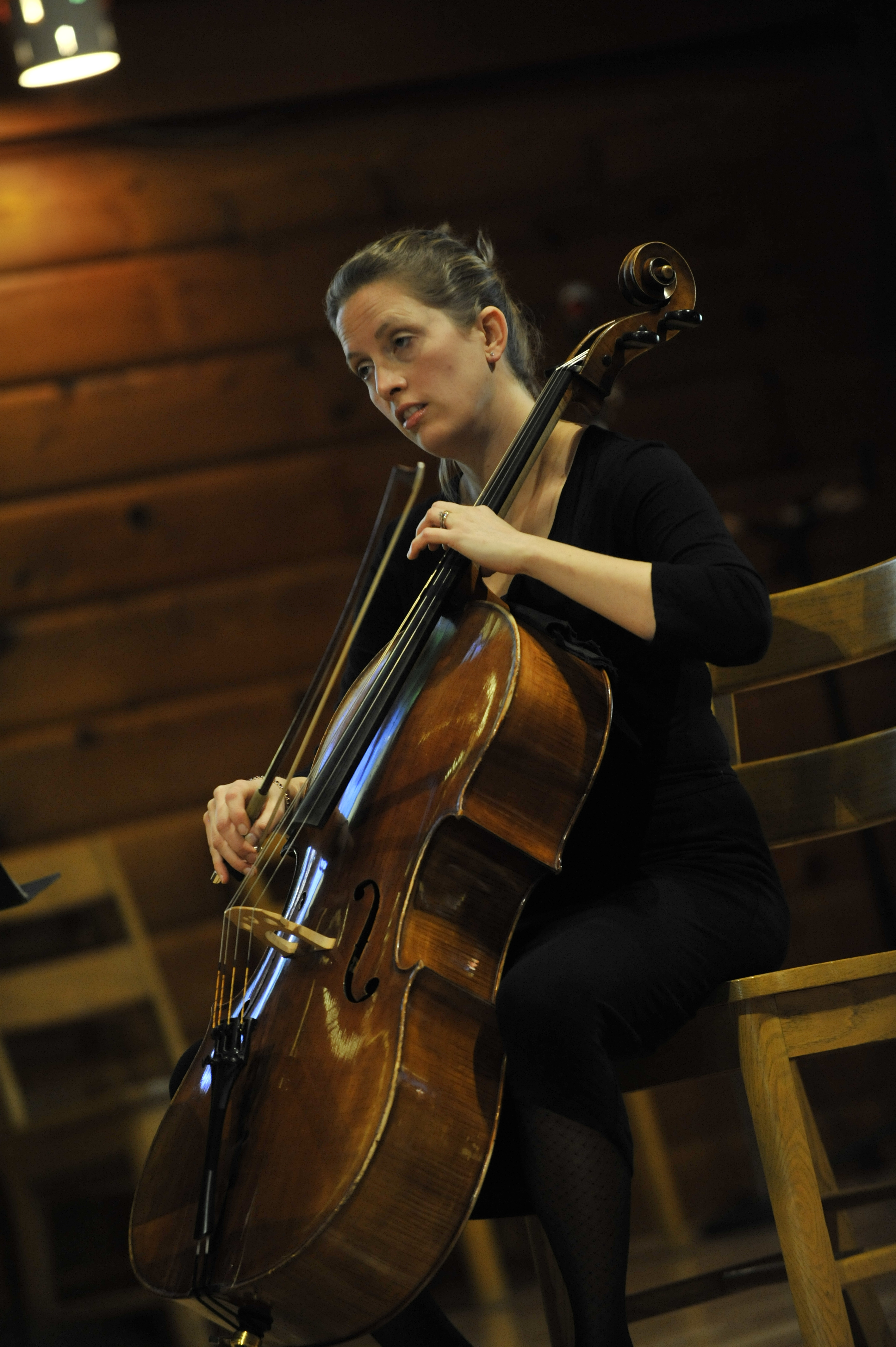
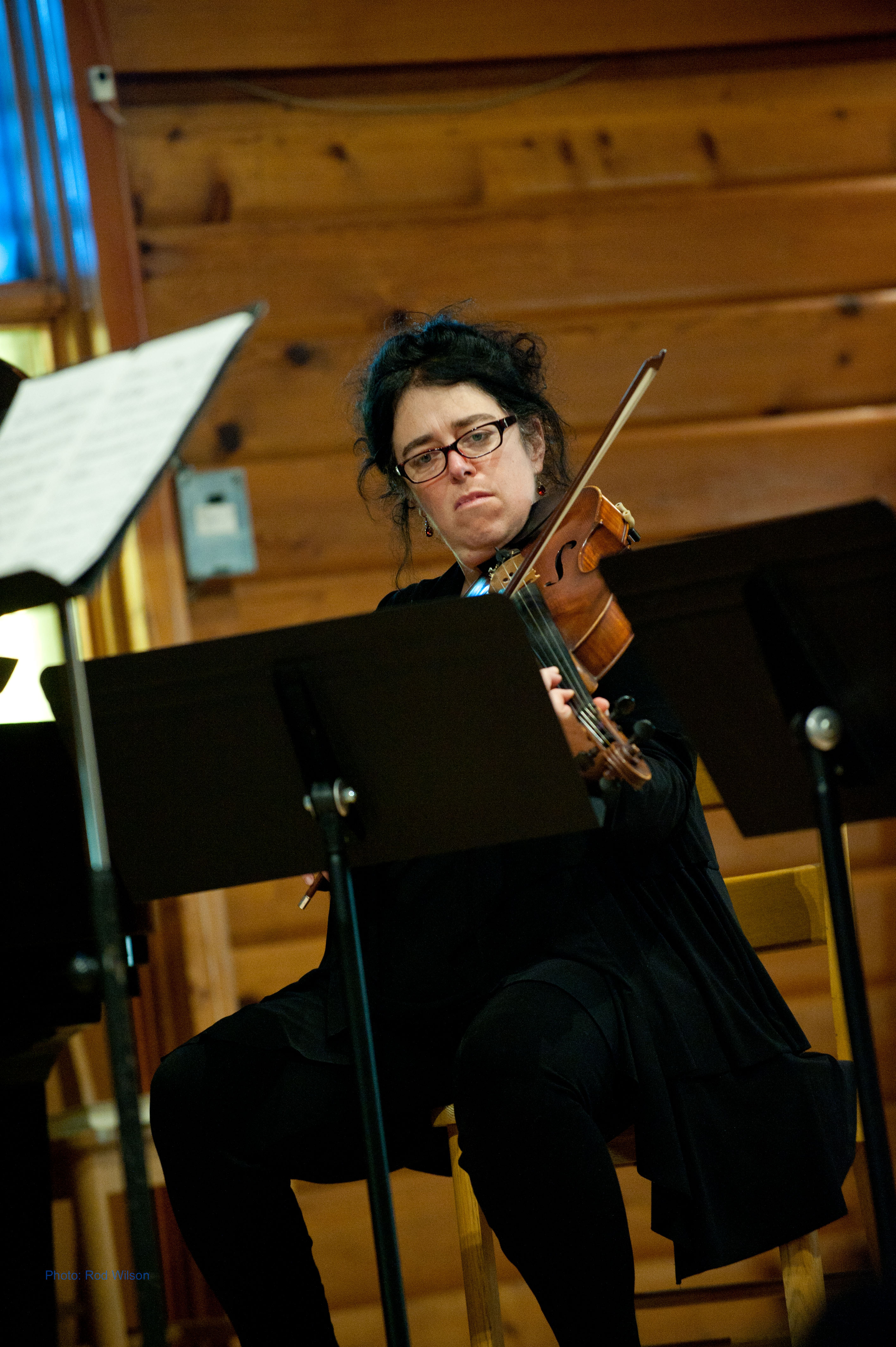
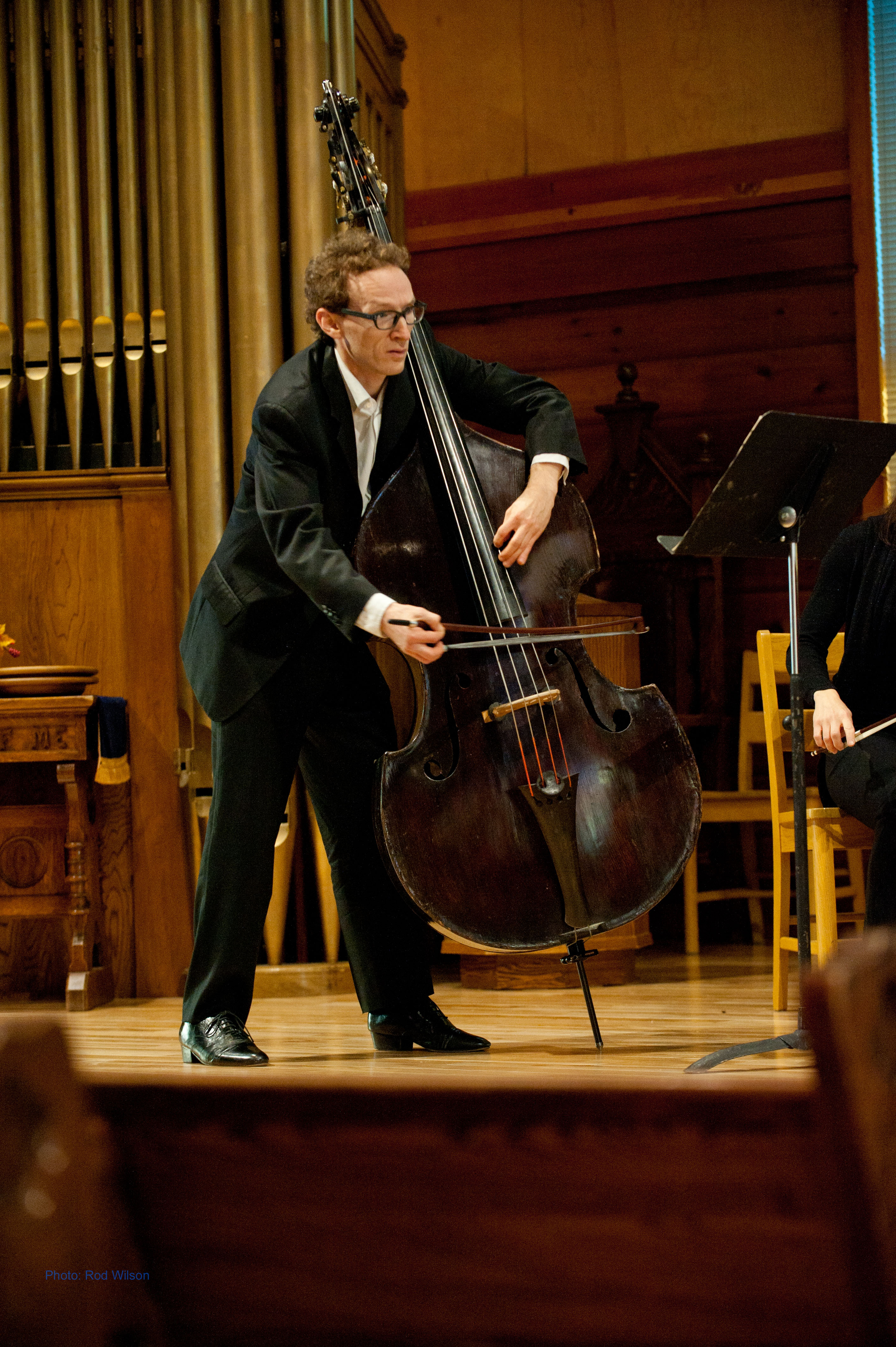 athletic skill to play the upper register passages. The dexterity require in this piece somewhat approached what we normally associate with violin music. Hoffmeister’s music appeared to be solidly in the classic tradition of Haydn and Mozart. The piece consisted of four movements: Allegro moderato; Menuett; Andante; Rondo – Allegretto. Visually this was a pretty spectacular with Matt, who is a rather slim man, clambering all over this huge instrument to produce the wonderful deep throated voice that we rarely have an opportunity to hear or appreciate. As a trio (Violin, Viola and Cello) the group played the Serenade in C Major, Op.10 by E. von Dohnanyi (1877-1960). Even in classical music circles this composer is not a household name. He is best remember for his association with the Hungarian composer Bela Bartok. The piece consisted of four movements Marcia- Allegro, Romanza – Adagio non troppo, quasi andante, Tema con variazoni – Andante con moto and Rondo – Allegro vivace. The trio only played three of the movements. Susan Gould and Matt Heller joined the trio on stage for the major performance of the evening – Piano Quintet in A Major, “Trout”, D 667 by Franz Peter Schubert (1797 -1828). Because I had pigeon holed Schubert as a Romantic Composer and, given my disinclination to listen to Romantic Music, over the years I had not paid too much attention to the piece but that may be about to change. Susan Gould’s introduction caught my attention and the music lived up to the expectations she created. I have put that composition on my list to add to my CD collection. All in all, as usual with the chamber music concerts in The Knox, is was a very satisfying evening of music. My only regret was the very small turn out for a concert that was well worth attending. The question I must ask is where were all the symphony patrons and symphony society members? Where were the music educators and their students? There were two piano teachers in the audience but where were the rest? The small turnout speaks volumes for the real level of support that classical music has in the area. Here are some more images from the evening:
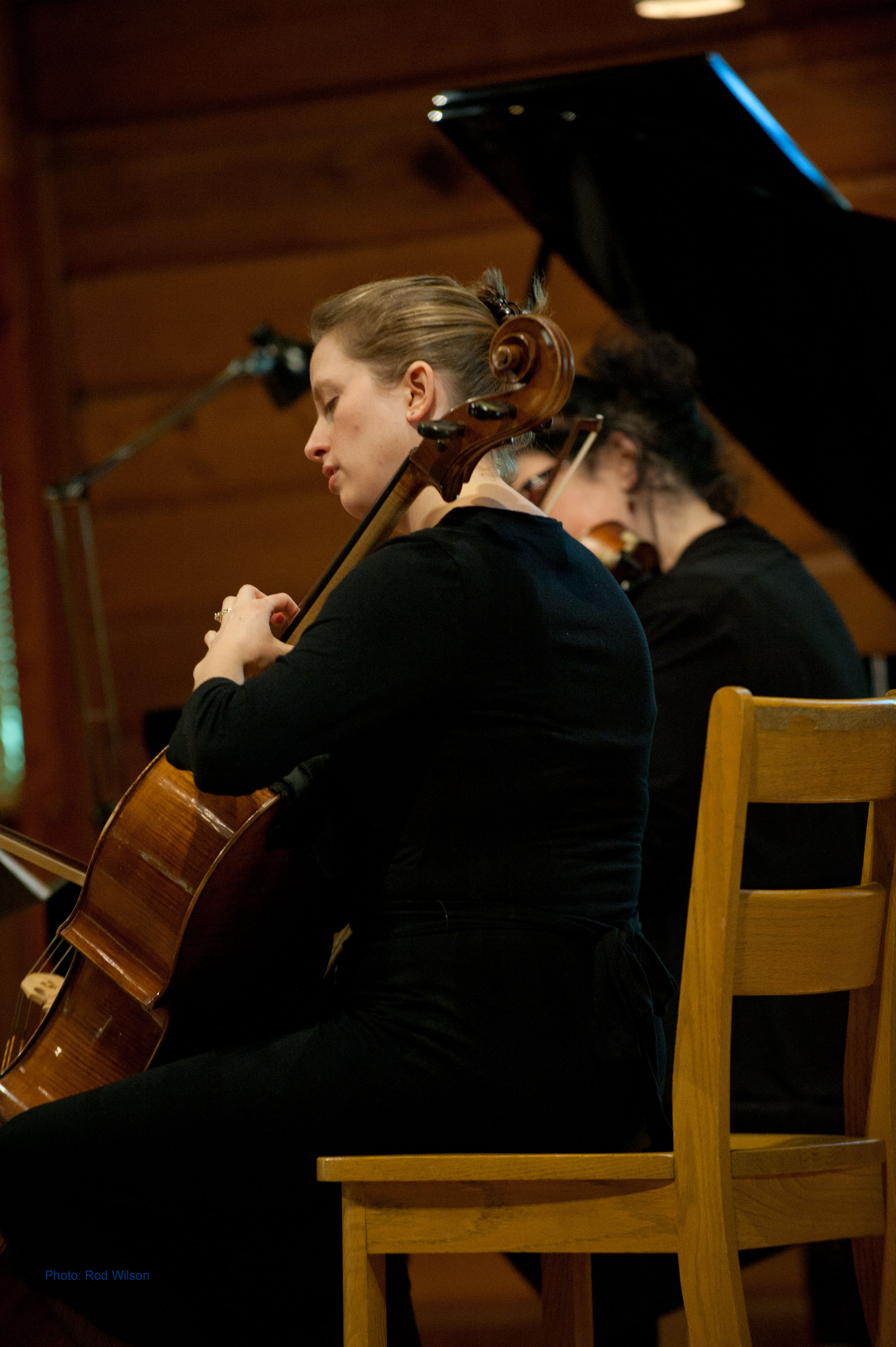
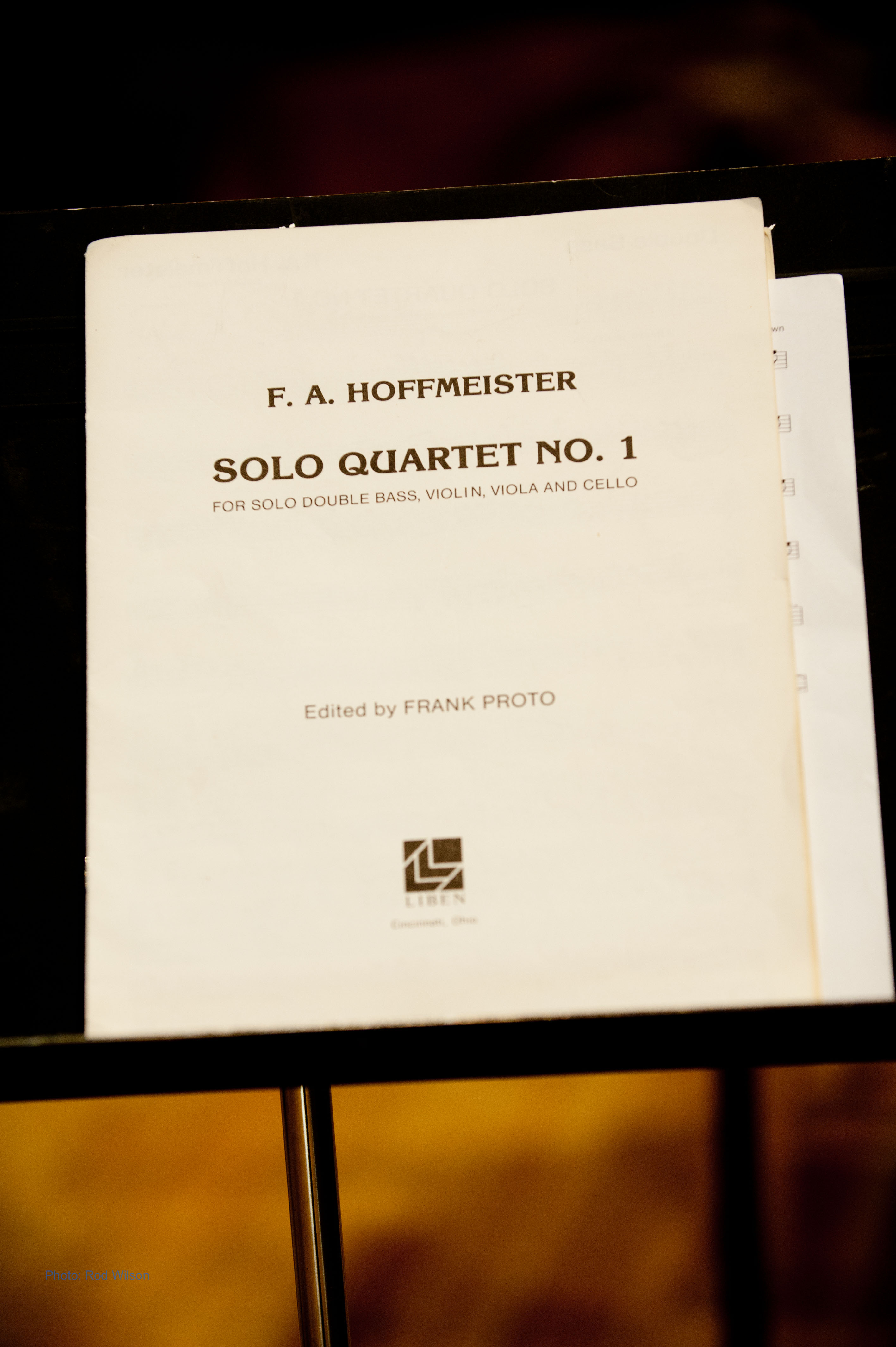
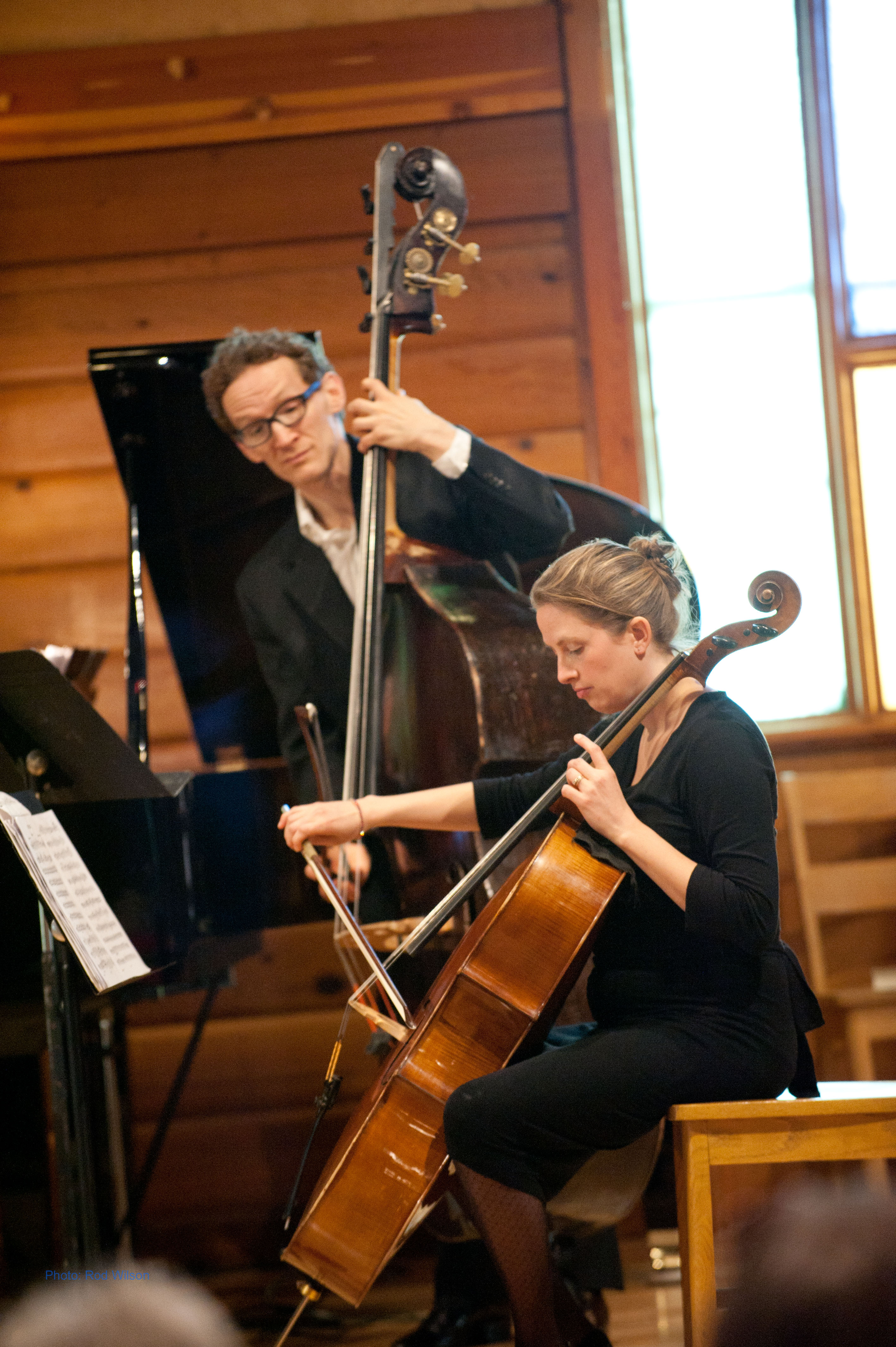
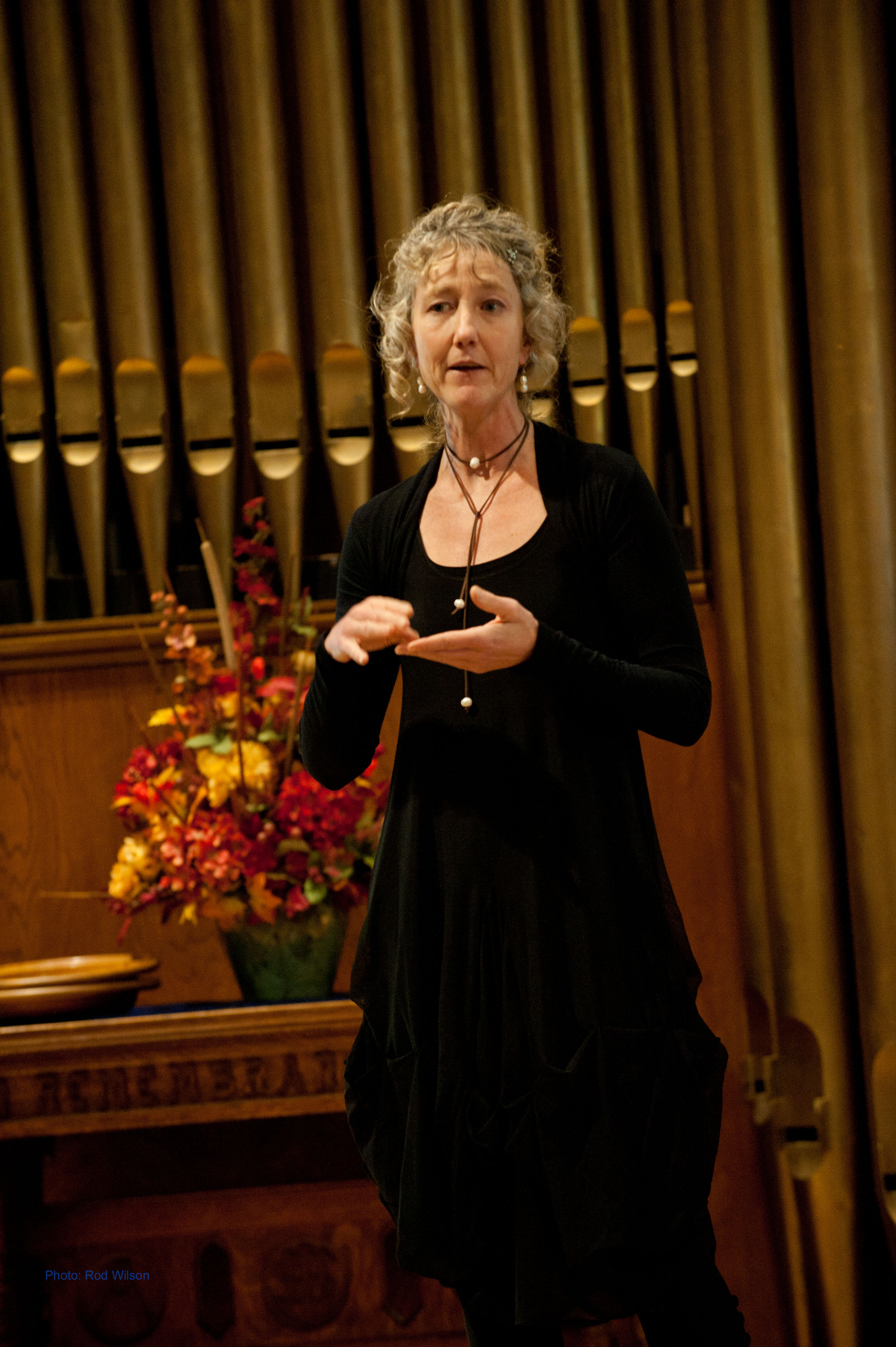
@@@@@@@@@@@@@@
post under construction
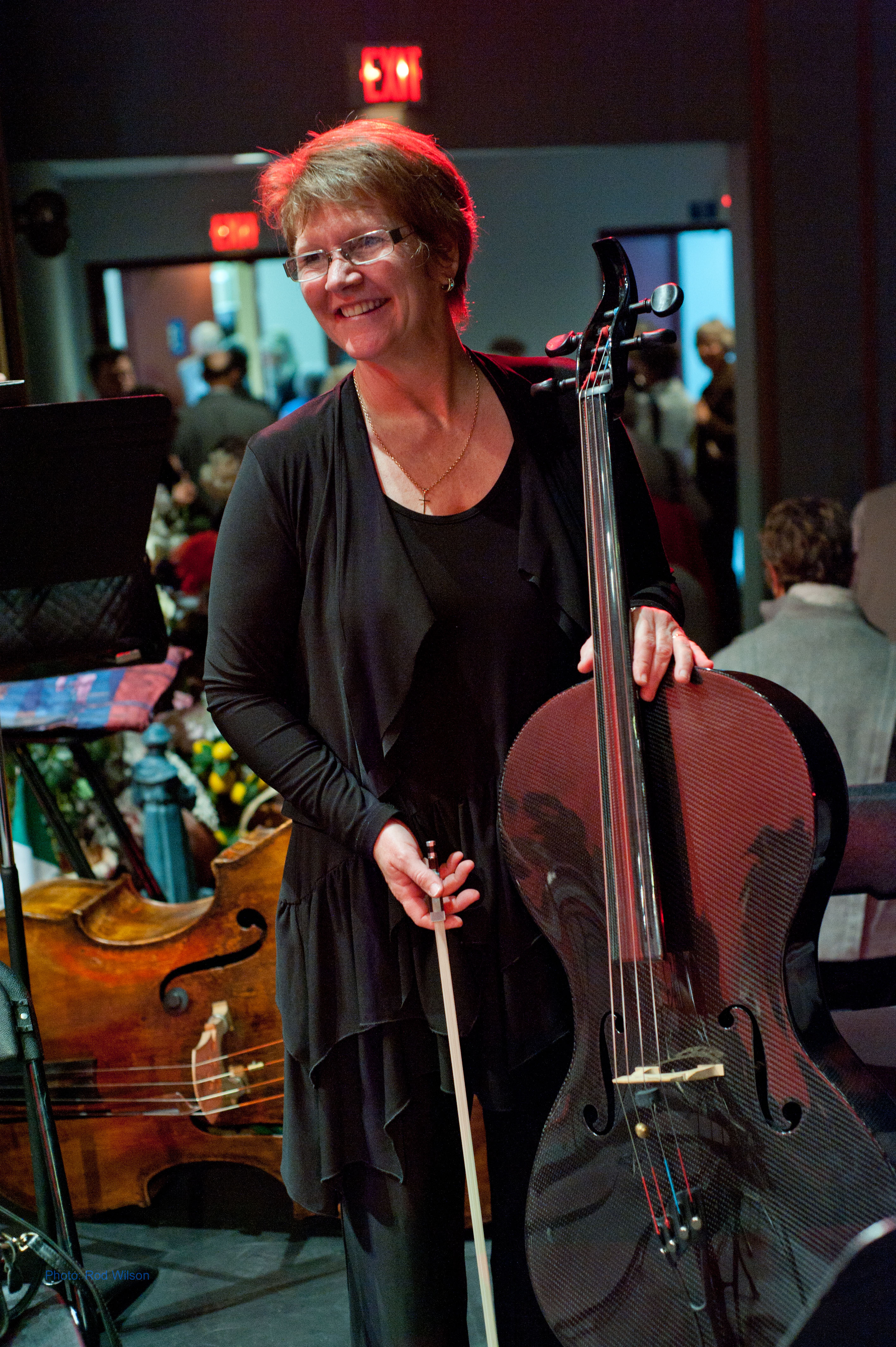
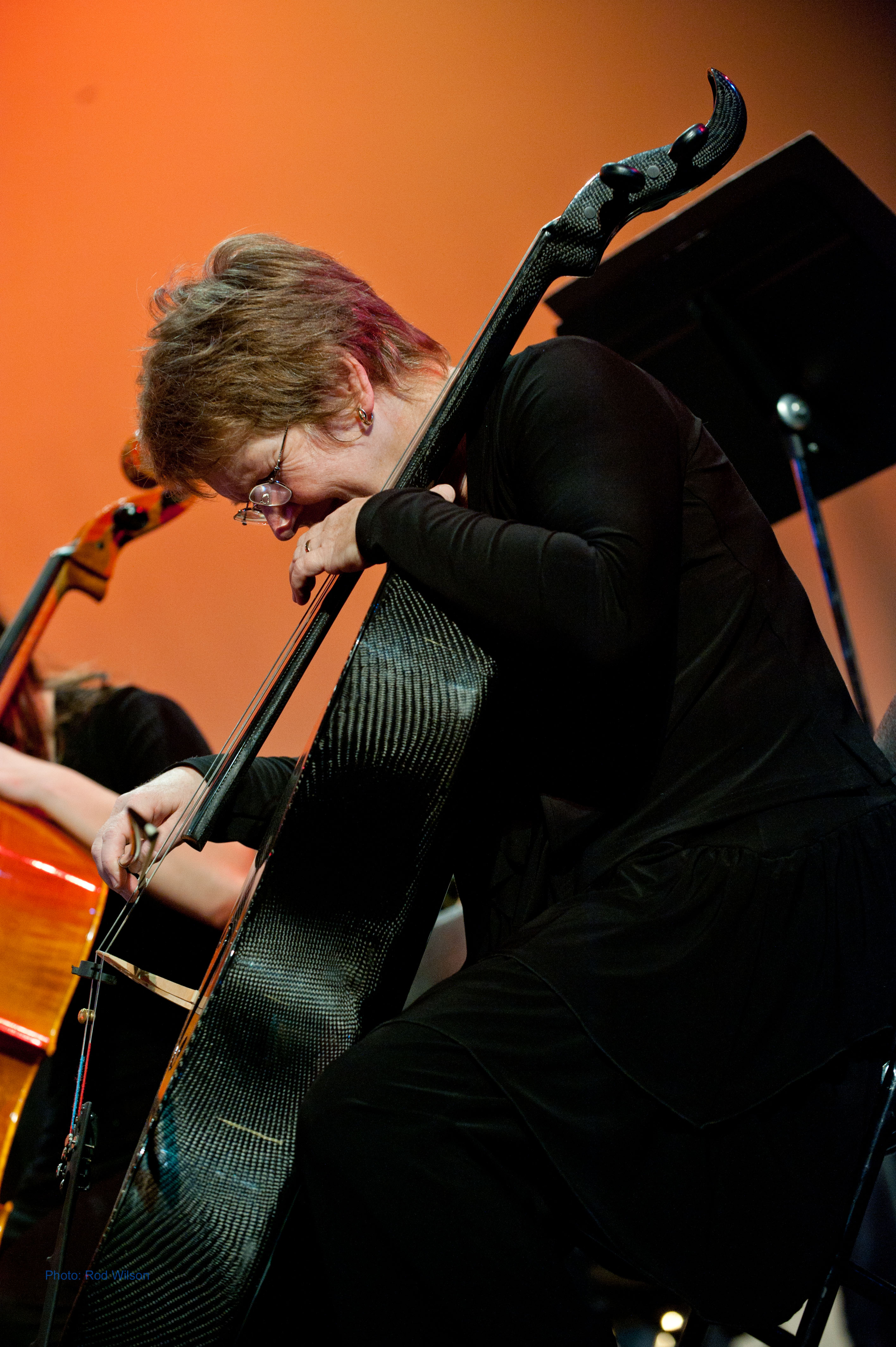
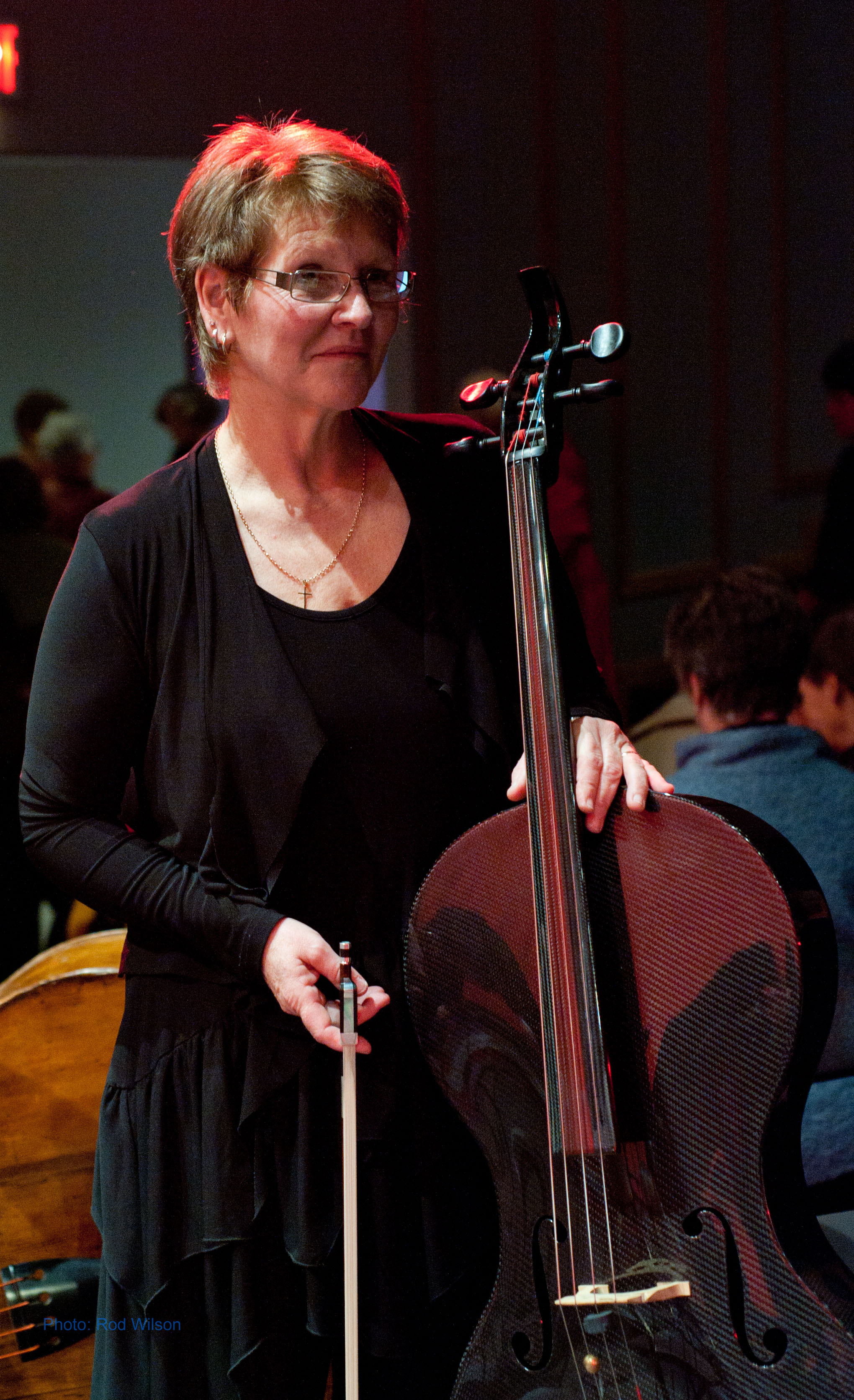
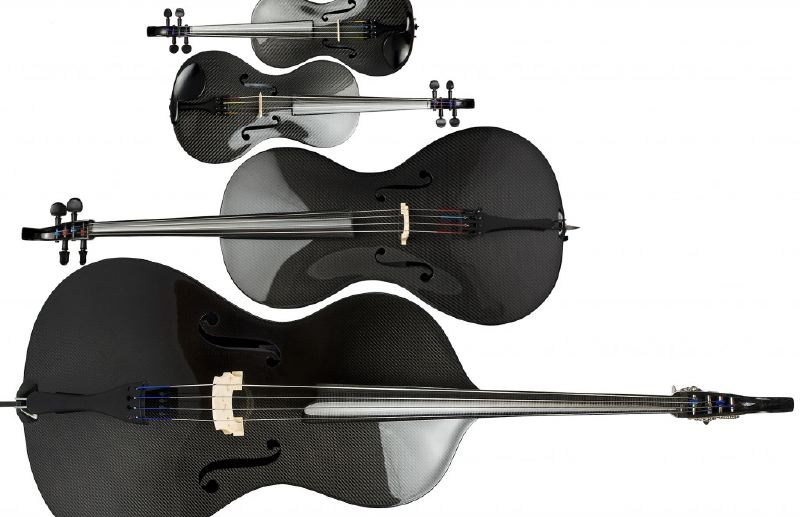
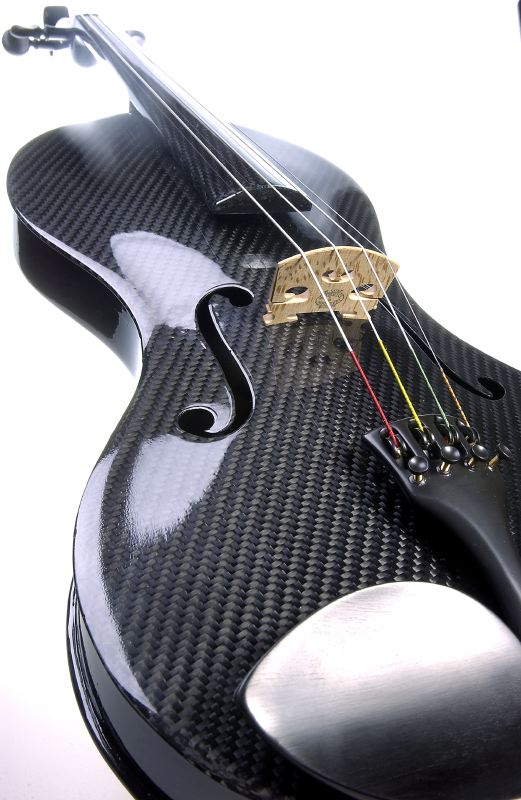
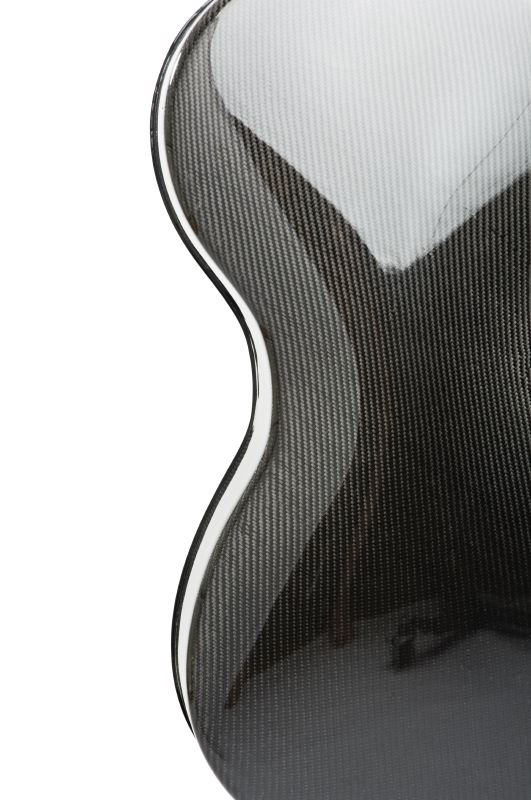
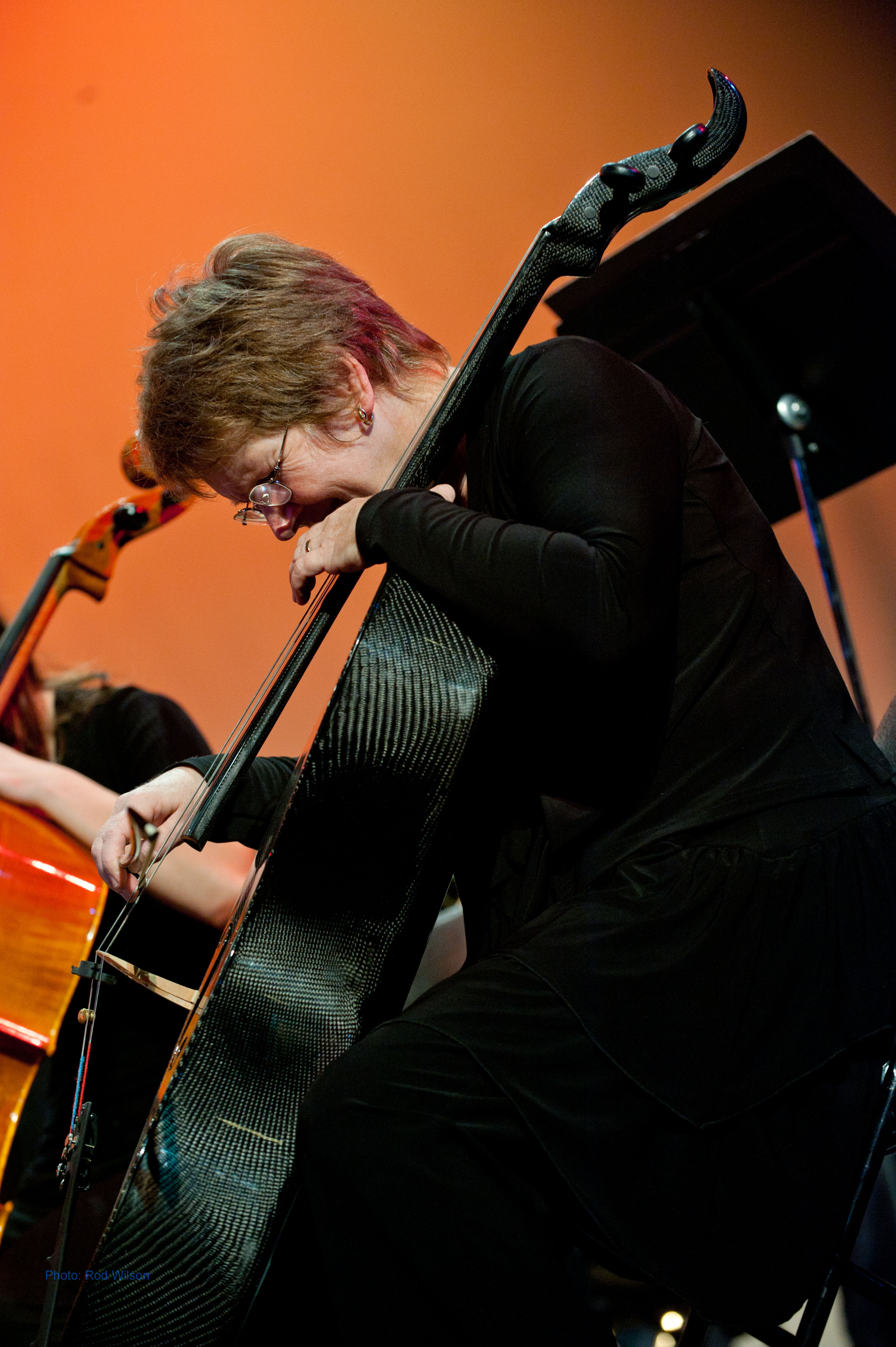
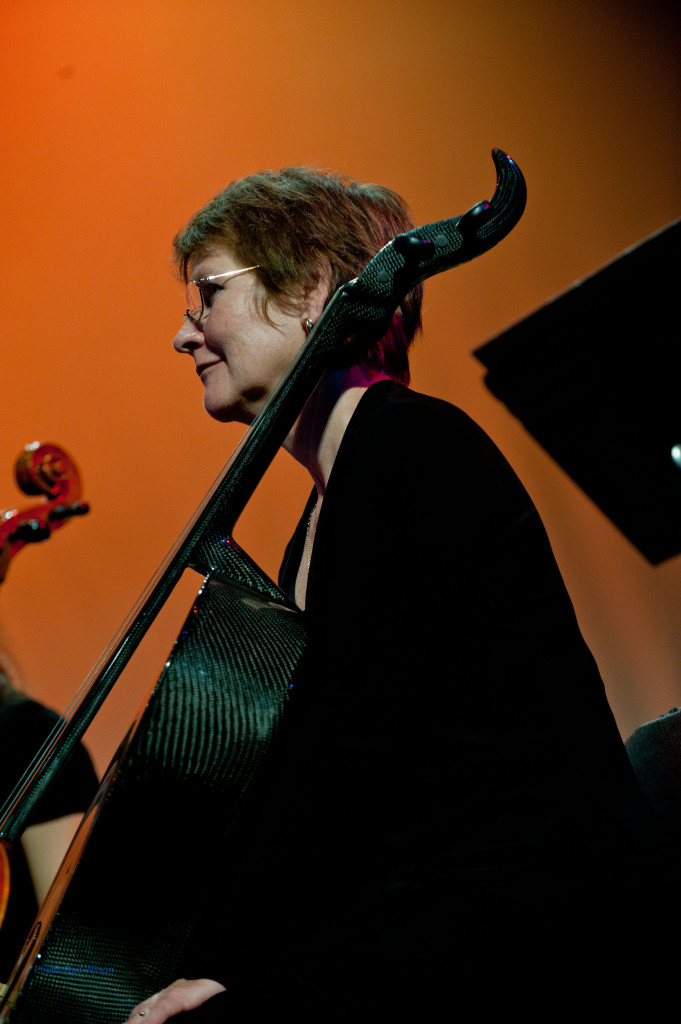 It’s a jungle out there. Or, at least a forest of wood. The over whelming view of a symphony orchestra is the string sections at the front. Sure there are other instruments in the orchestra but, like electrical wiring and plumbing, they are mostly out of sight. The prevailing color scheme is amber and brown so that the grey of Liz Tremblay’s carbon fibre cello is a not an unpleasant disruption in the traditional mosaic of a symphony orchestra. For centuries string instruments have been constructed out of wood by highly skilled artisans and high quality instruments are expected to last “for ever”. Having said that, a vintage instrument of today is not the same instrument that left the artisan’s shop hundreds of years ago. They change, mature, have accidents, are repaired and modified to preserve the sound and to stay in top condition. Wood is a renewable resource and, except for the voracious appetite for high quality “Tone Woods” for quality musical instruments, should be sustainable. Some of these woods are going into short supply and governments have been forced to enact legislation to protect endangered species. Of particular note is the threatened Brazilian Rosewood, Indian and African Ebony. The exploitation of these woods is protected by legislation and luthiers are required to only use wood from certified sources. To offset the dwindling supply of traditional tone woods builders are turning to others from lesser known species and, more recently, to the use of Carbon Fibre. The later has been used in a number of products, including guitars, for years. A musician, Luis Leguia of the Boston Symphony, who has a passion for sailing noted the strength and resonant qualities of carbon fibre boats and started experimenting with the use of that material in musical instruments. Over the years, with the help of Steve Clark, he developed a line of instruments using carbon fibre that is lighter, stronger and cheaper than the best of traditional instruments. And, against the conservative tide, they are gradually becoming accepted as instruments of choice (