The Blues as a musical influence has been around for well over 100 years.It is the basic ingredient of Ragtime, Early Jazz, Country Blues, Bluegrass, Swing, Bebop, Modern Jazz, Rhythm and Blues, Soul and Classic Rock and just about any contemporary music genre you may care to mention. The internet is flush with blues based performers and performances and “how to ” videos. In the academic world of universities and Colleges, out side the specifically Classical realm, the programs are are dominated by Jazz and pop based curriculums with strong blues components. This has been going on for so long and it is so ingrained in our musical psyche that we often forget there are other musical genres and ways of playing music. Guitarists are not immune to this way of thinking. Every guitar player wants to be a “rock star”. Yet, in the vein of the old saying, “There are more than one way to skin a cat” one could also say “there are more than one way to play guitar”. Here is another way.
While the western pop/rock world was going on its particular musical way during the post WWII era there were things happening in “darkest Africa”. Particularly in the Congo. “The guitar rich pop music of the Congo in Central Africa has had more impact around the continent than any other Afro-pop genre. Beginning in the late 1940s, bands in Brazzaville and Kinshasa – cities that face each other across the Congo River – began fusing Cuban music with local sounds ” (Banning Eyre). It is kind of ironic in a way. African music had a profound influence on the music of Cuba in the development of Son montuno (Son) , Salsa etc. Cuba has returned the favor by heavily influencing musicians of the Congo in the development of Soukous, kwassa-kwassa and Rumba Rock. The Three-Two Clave Rhythm from Cuba is central to the understanding of the pop music of the Congo. Once established as a style the music of the Congo has had no problem in crossing ethnic and national boundaries with its powerful dance rhythms and before too long in 1970s and 1980s Soukous became the disco music of Africa.
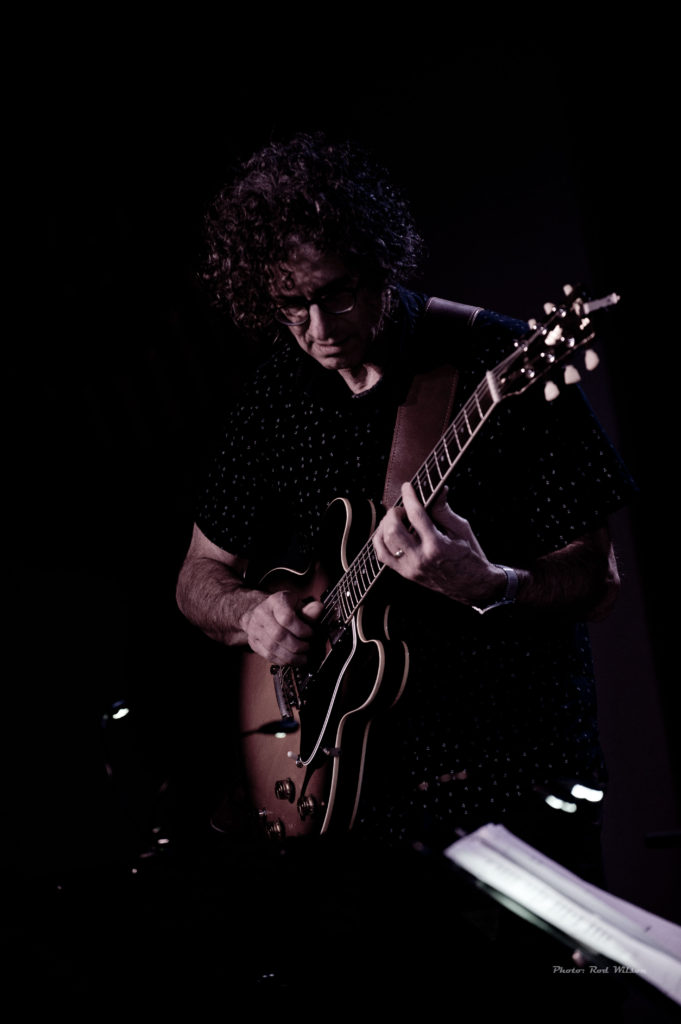
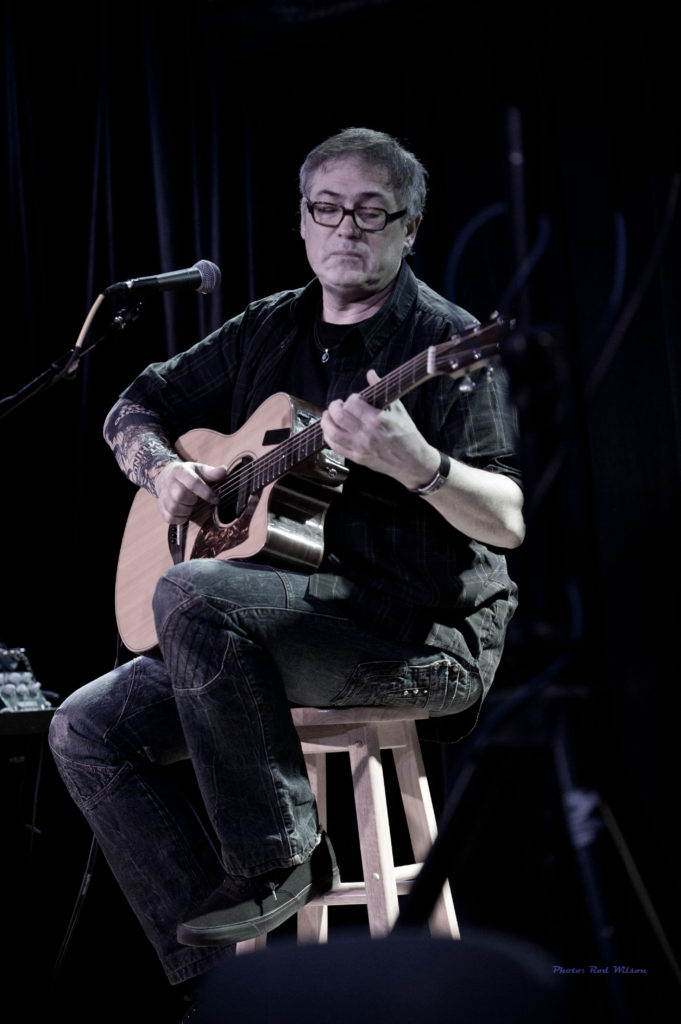
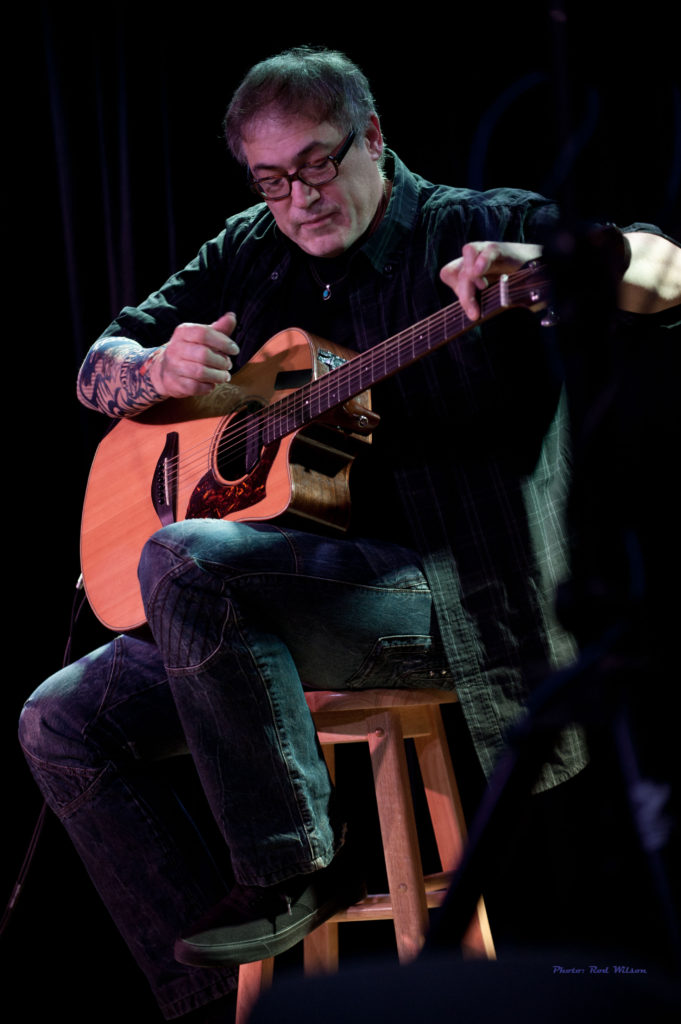
To get the ball rolling here is Don Keller doing a cover of a popular Kanda Bongo Man / Diblo Dibala tune (Sai) that clearly demonstrates the driving repetitive rhythm of the Soukous guitar style. Don is playing the lead over a pre-recorded rhythm section.
The thing that I immediately notice is the “up feeling” of the music. Blues at its heart is victims music and as a result there is a certain “downer” sentiment and feel in the music. Soukous is not “cry in your beer” music. It is telling you to get up there and dance.
So how does it work? Here is a short demo video that shows just how two guitars in lock step can play poly rhythmic patterns and end up sounding like three or more guitars at once. The music is simple three chord stuff that sounds amazingly complex with an unbelievable grove. The demonstration video is in the key of A major and the chord progressions are simple I – IV – I – V ( A major – D major – A major – E major).
https://www.youtube.com/watch?v=SFR6HD13z08
So when you add bass guitar, drums, percussion, horn section and vocals you get something like this recording of Amilo, Amilo by the African super star Rocherleau Tabu Ley.
https://www.youtube.com/watch?v=1wX4K2u8zGA
From time to time between the vocal verses there are freewheeling guitar sections called Sebene that features the cascading interplay between the guitars. As I said the mood is infectious and the groove is unmatched in any other genre of music.
For those interested in the style there is a mountain of material on YouTube. I can also recommend Banning Eyre’s publication Africa – Your Passport to a New World of Music. It is published by Alfred Music in their Guitar Atlas Series. In it Banning explores a number of African guitar styles including Palm Wine Pickers, Highlife and JuJu, Soukous, music of the Griots, Malian Blues, South African Zulu and Mbaqanga, Zimbabwe Rhumba and Mbira and the Music of Madagascar. This slim volume also includes lots of musical examples both in print and on the enclosed CD.
For those with a more academic frame of mind there is the hard cover volume Rhumba on the River – A History of the Popular Music of the Two Congos by Gary Stewart. Equatorial Africa was a center for the slave trade in earlier times and towards the end of the nineteenth century a scene of massive genocidal mayhem. The Congas have a tortured history and if one is interested in the historical background of the region I can also recommend Adam Hochschild’s King Leopold’s Ghost and of course Joseph Conrad’s Heart of Darkness.
I would like to thank Shayne Rodrigues for the conversation we had last Monday at the Stemwinder Bar and Grill. Although the conversation was mostly about a Blues Cruise that he embarked on recently the conversation also meandered into the realms of Paul Simon’s Graceland and of African music in general.
@@@@@@@@@@@@@@@
More Souskos 2019/07/16
@@@@@@@@@@@@@@@

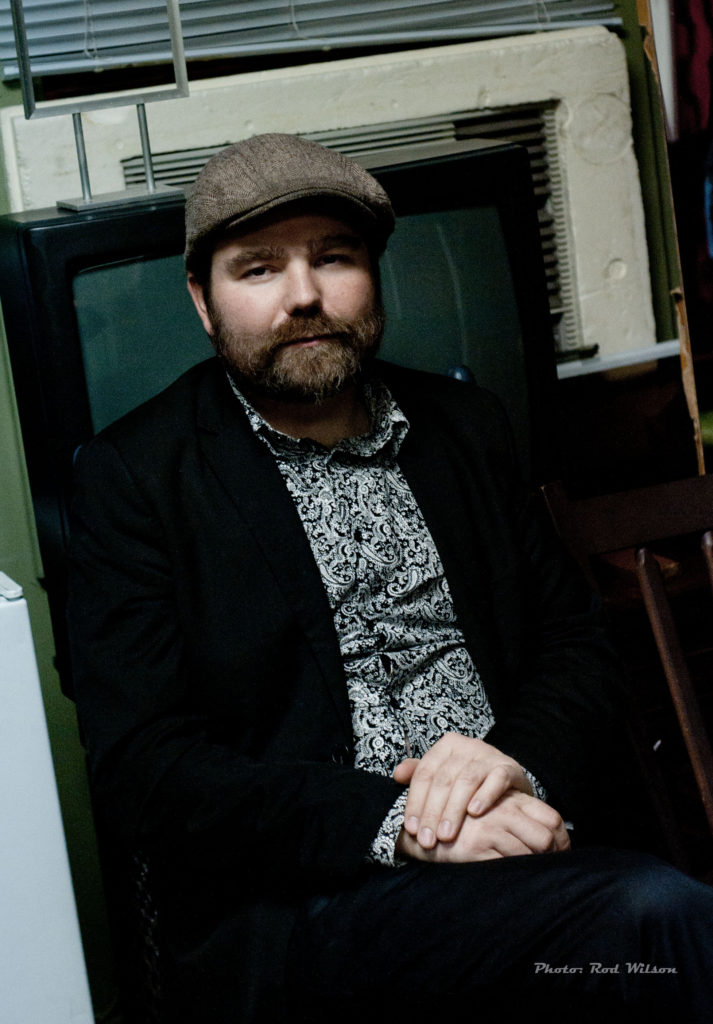
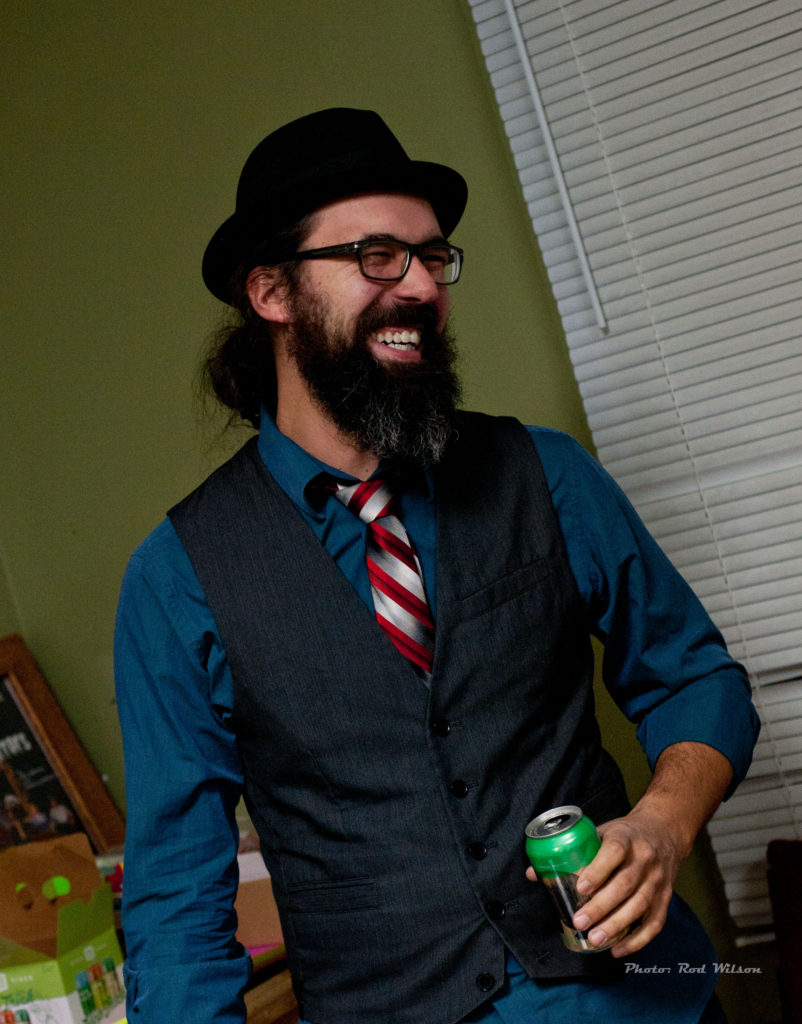
 September 21, 1934 – November 7, 2016
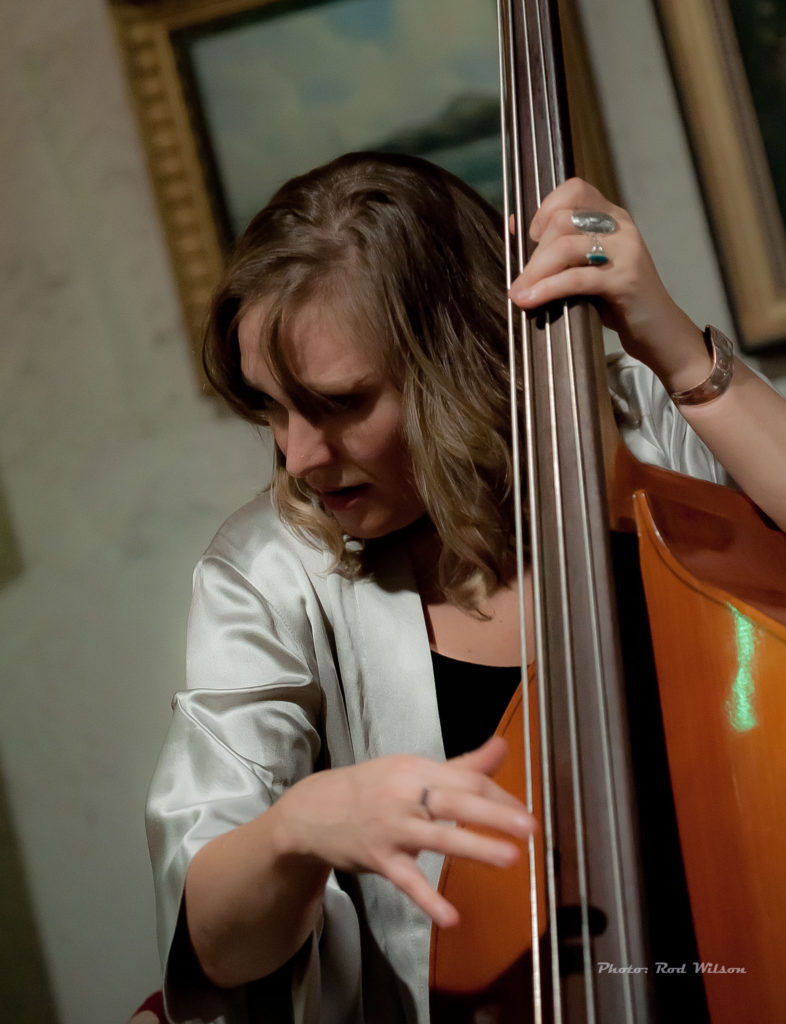
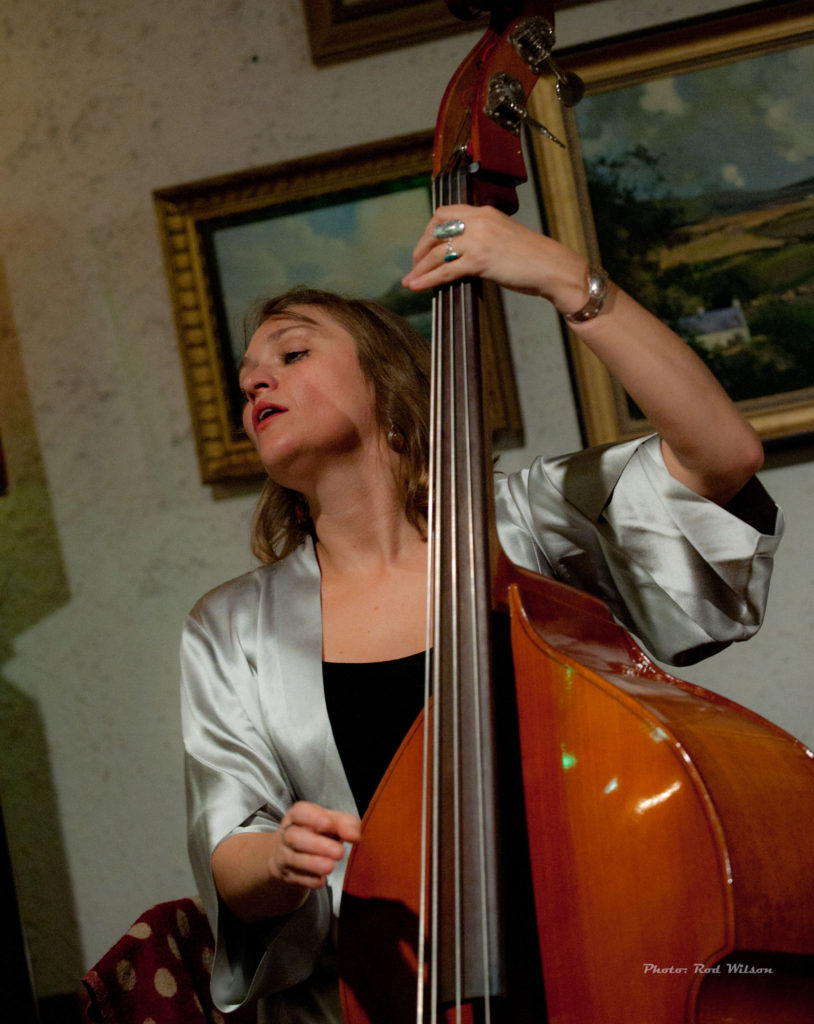
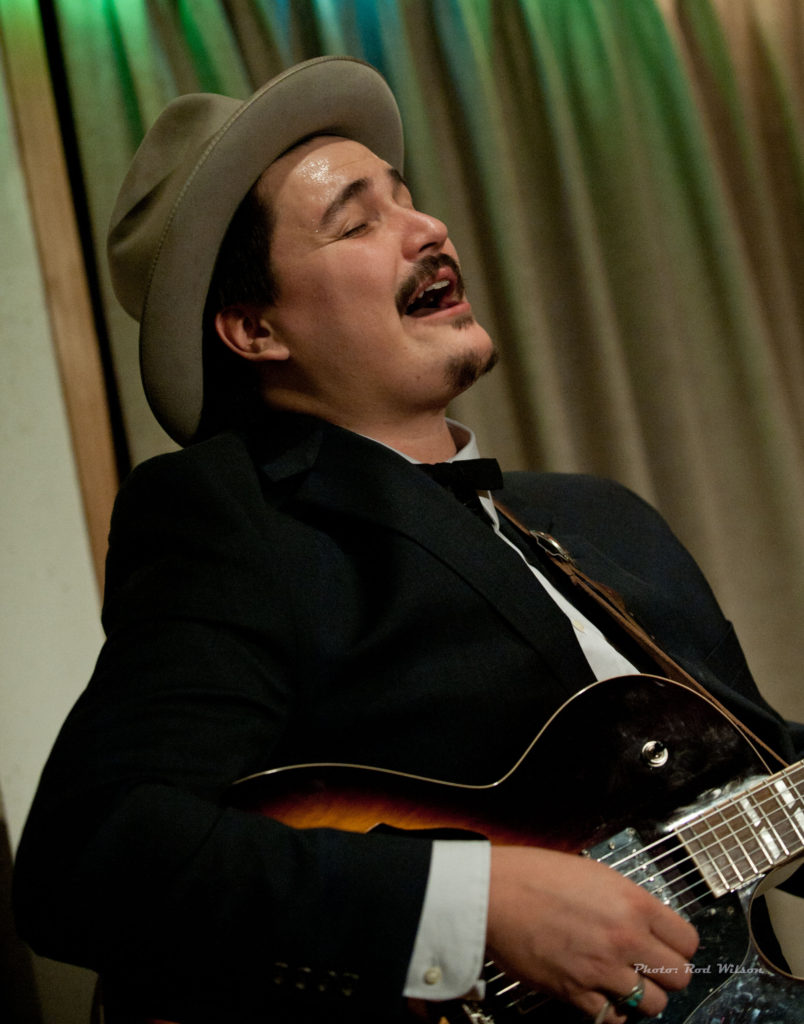
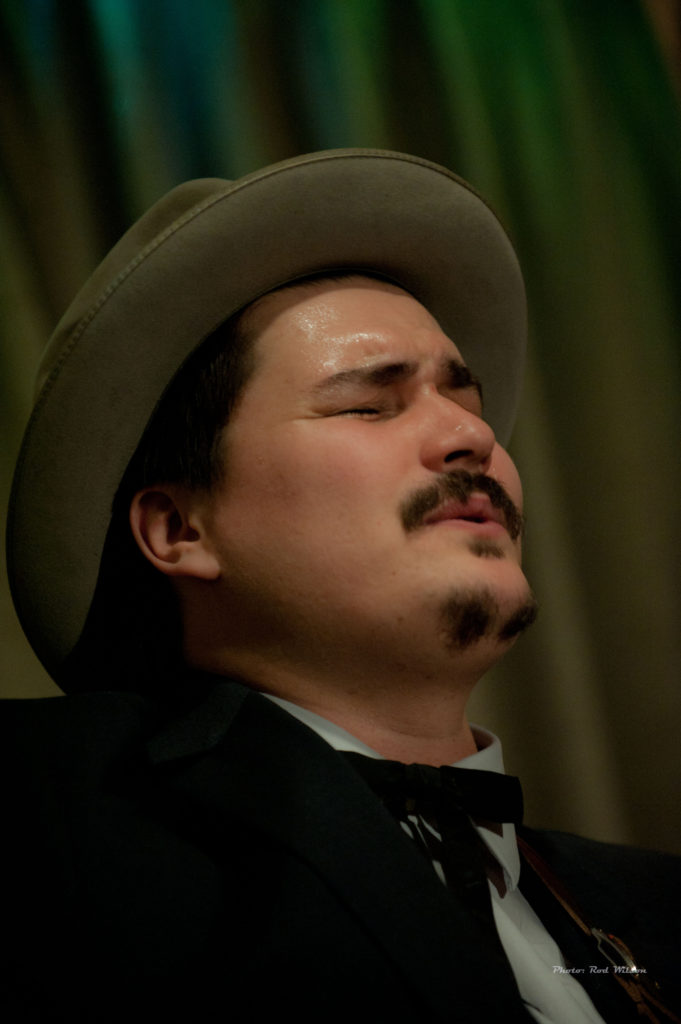
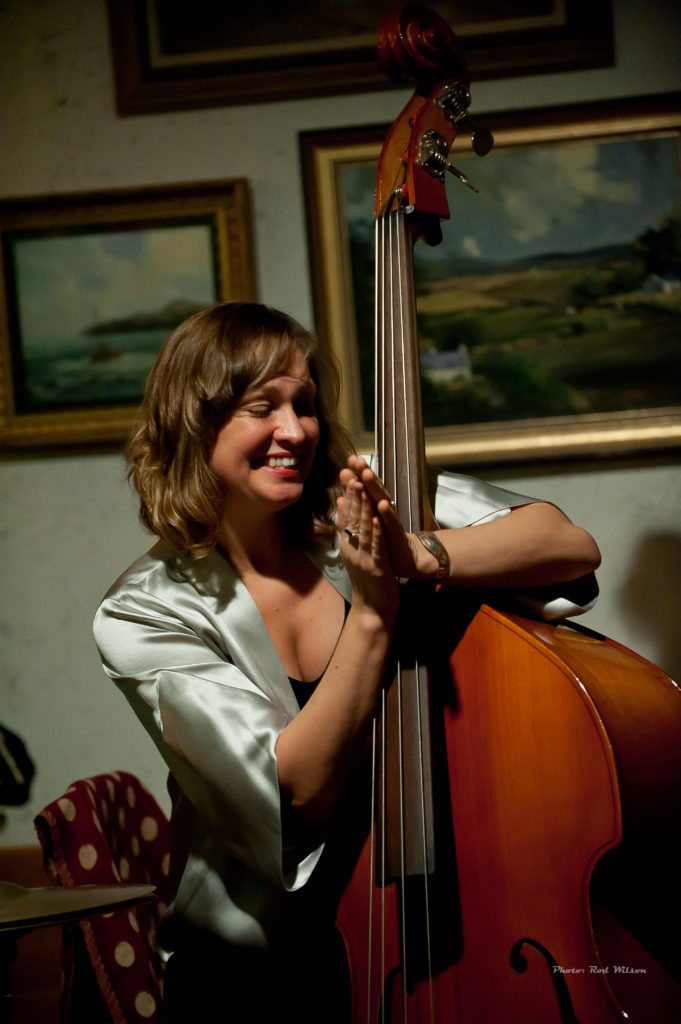
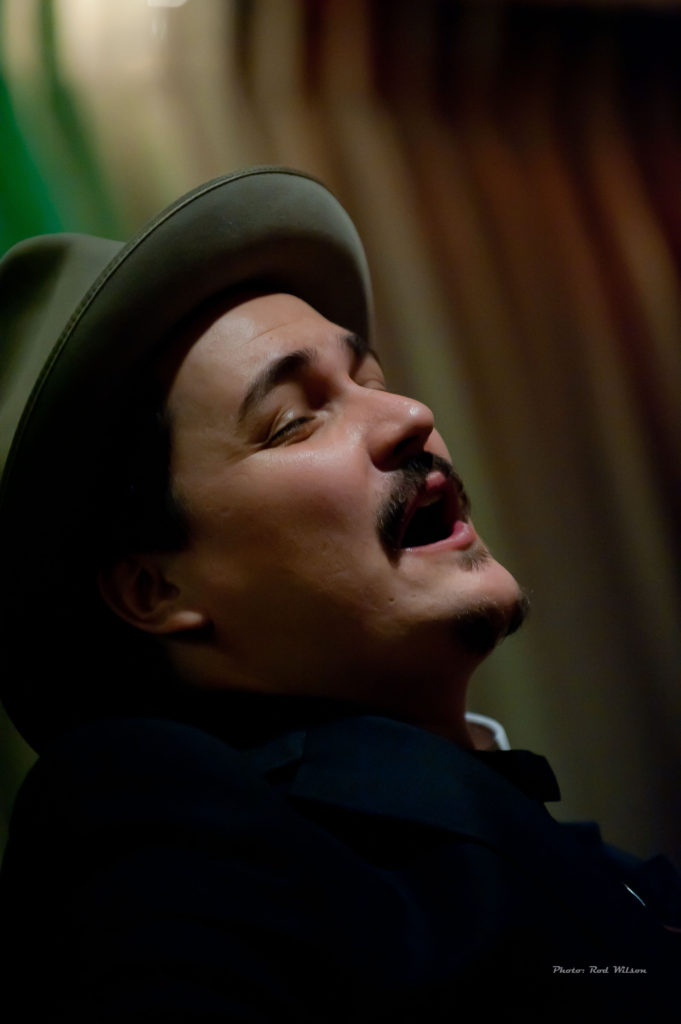
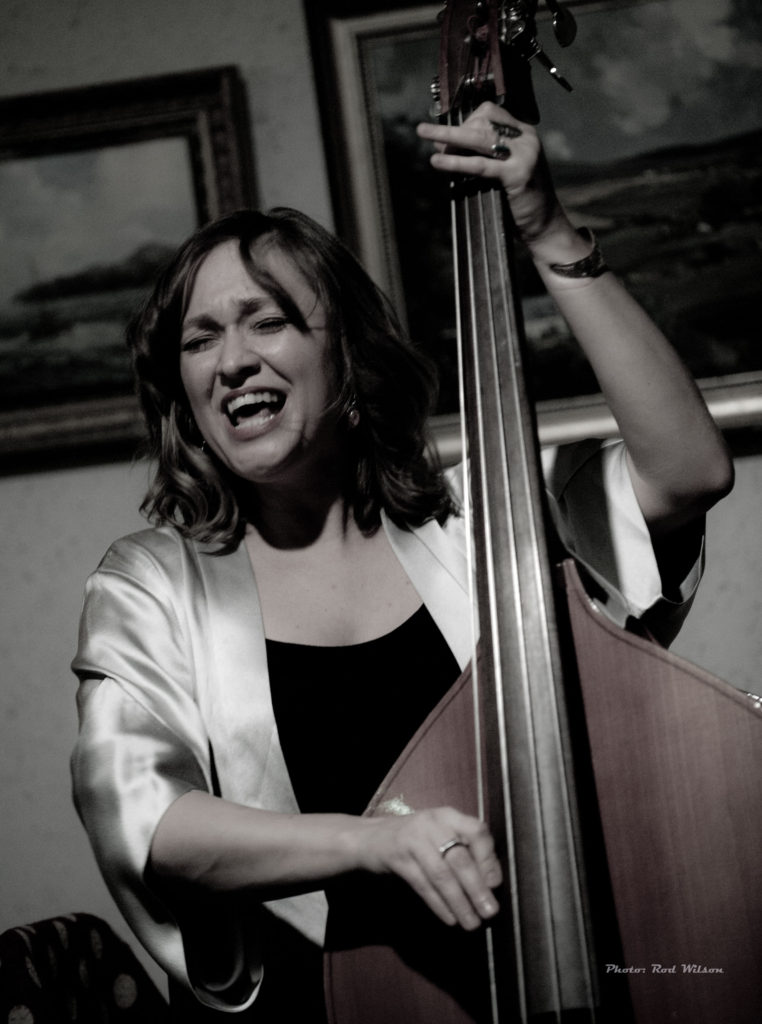
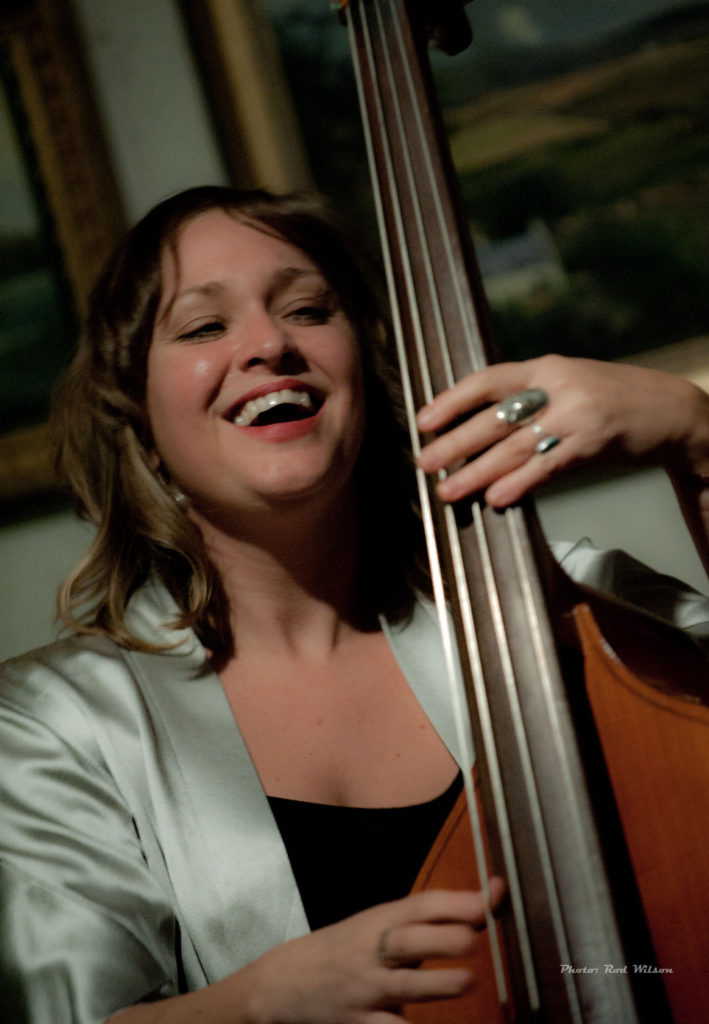
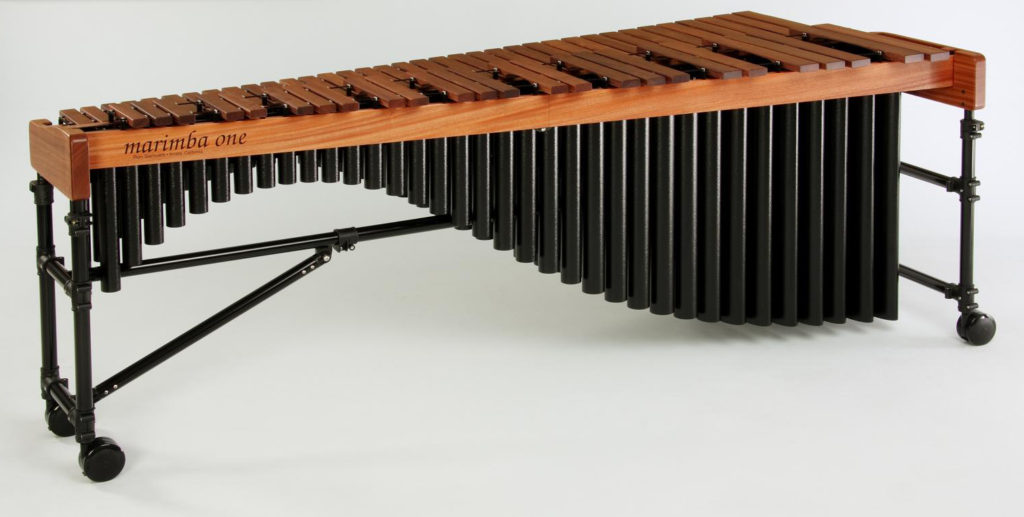
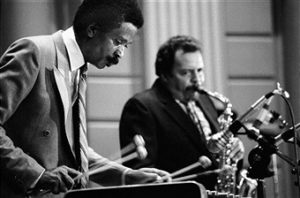 Bobby Hutchinson and Gary Burton careers’ both somewhat overlapped Jackson’s and they both rose to fame in the 60’s and 70’s. They were the new generation who favored the use of four mallets (two in each hand) that allowed for a more complex pianistic style of performance. Although somewhat now retired Gary Burton is still around and is probably still performing in a semi-professional capacity. Bobby Hutchinson passed away on August 15, 2016 surrounded by his family in the living room of his long time home in Montara, California. He was 75 years old.
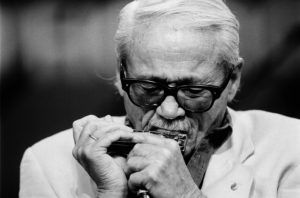 known as “Toots”. The Chromatic Harmonica does not have the same historical traditions of other jazz instruments so he is literally the first of his kind. Although he has played with all the great jazz soloists, including Charlie Parker, he is best known for his composition Bluesette. He died in Brussels on August 22, 2016. He was 94 years old.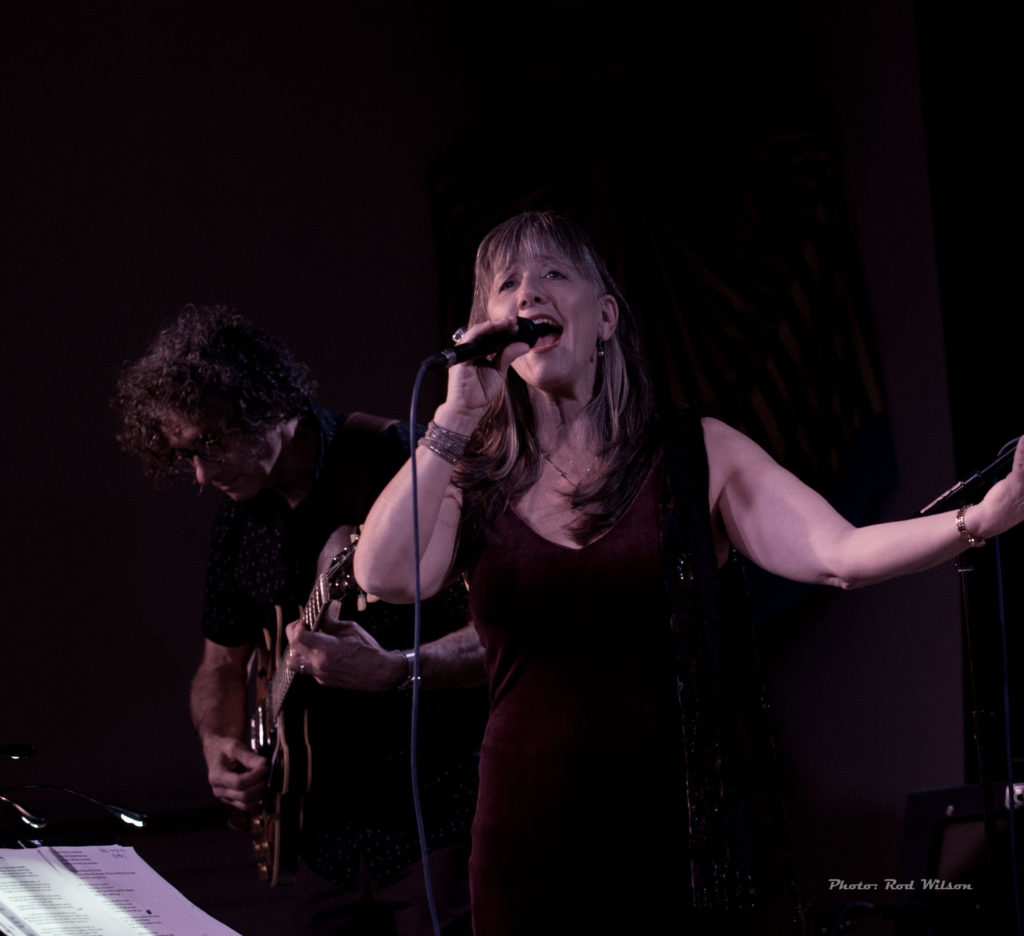
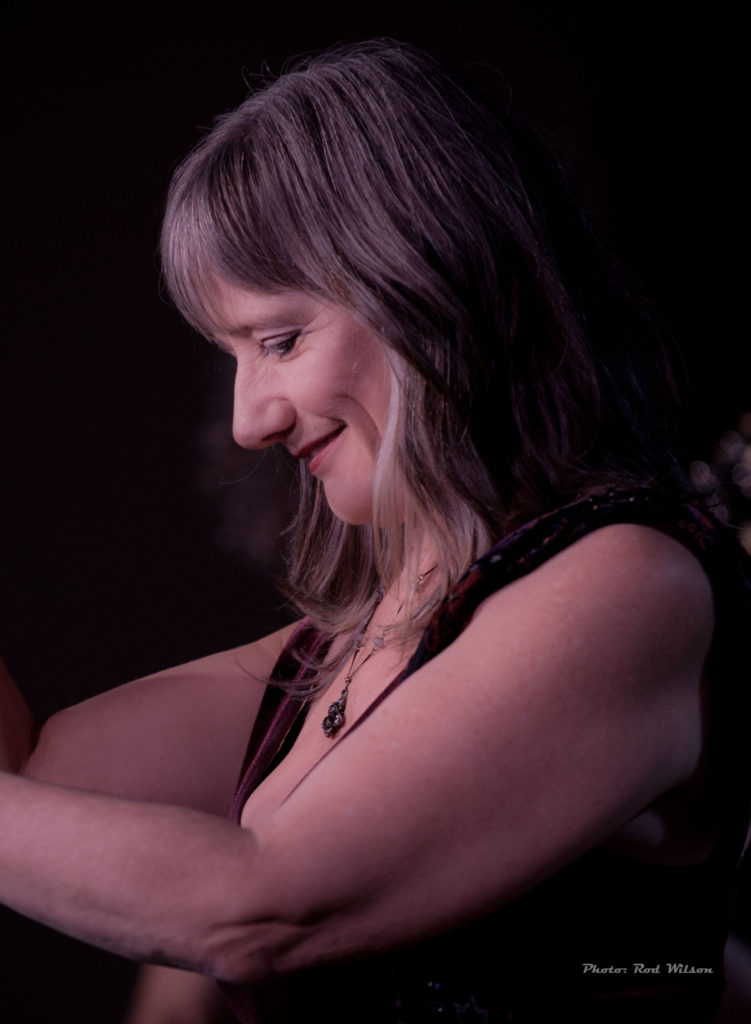
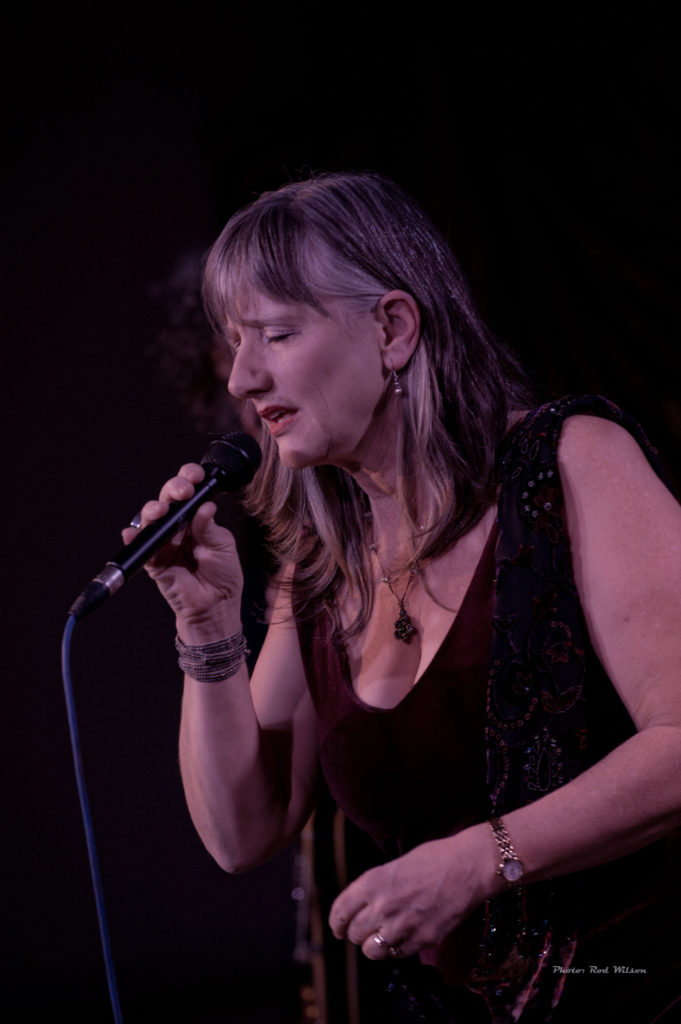
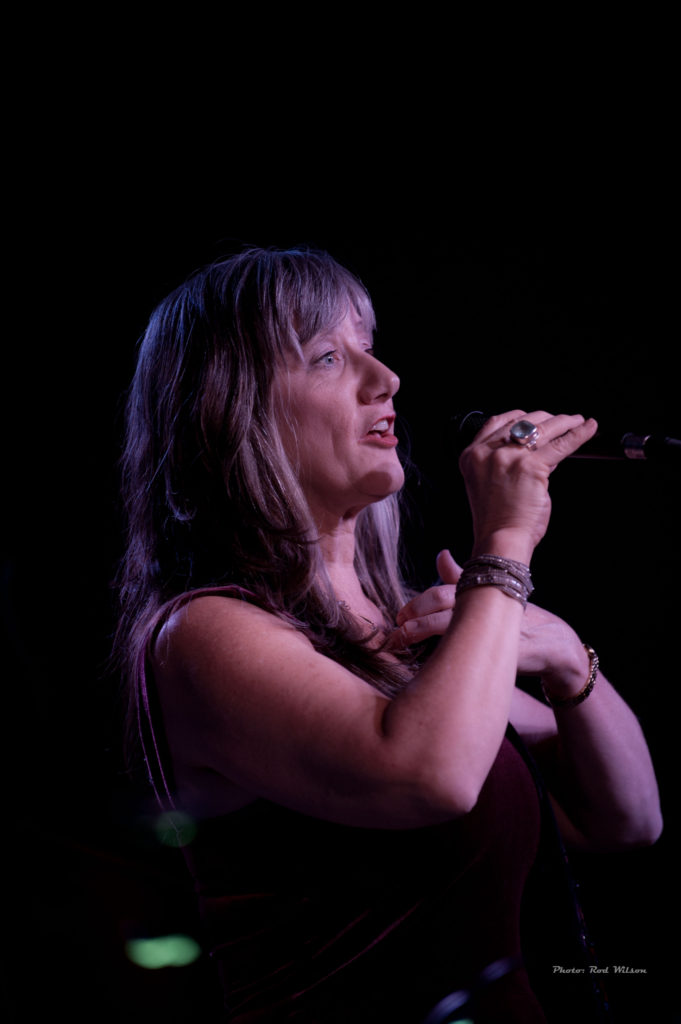
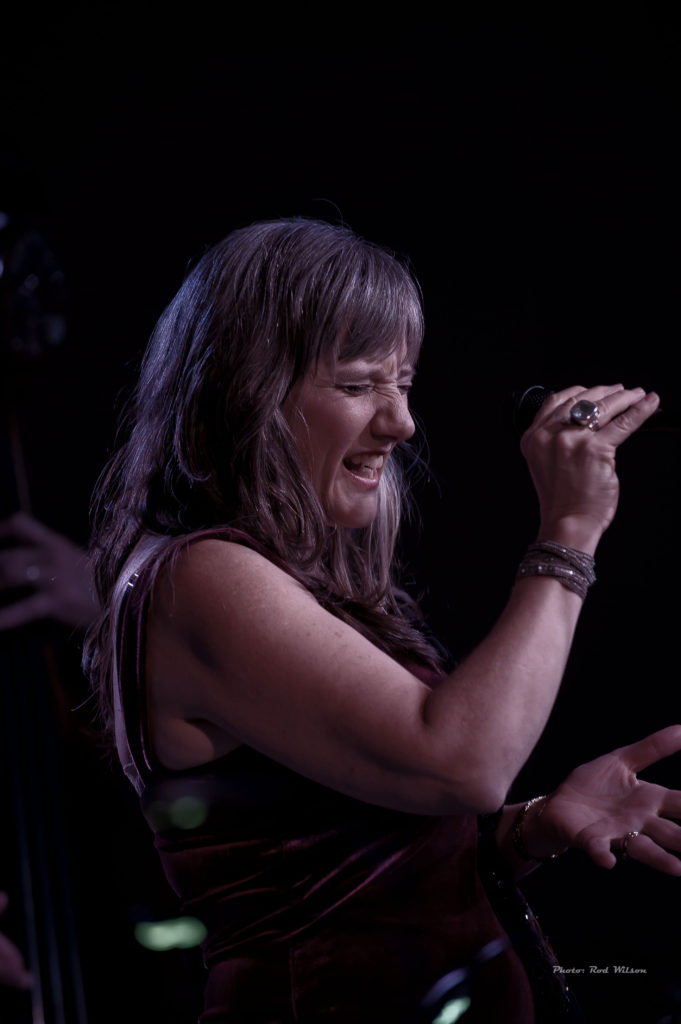
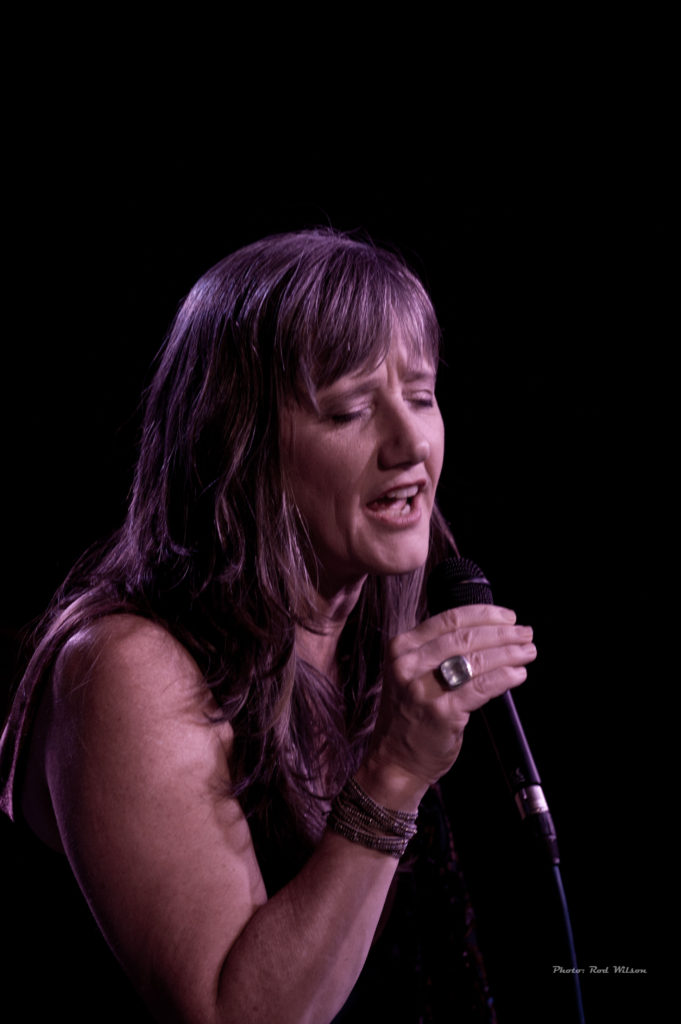
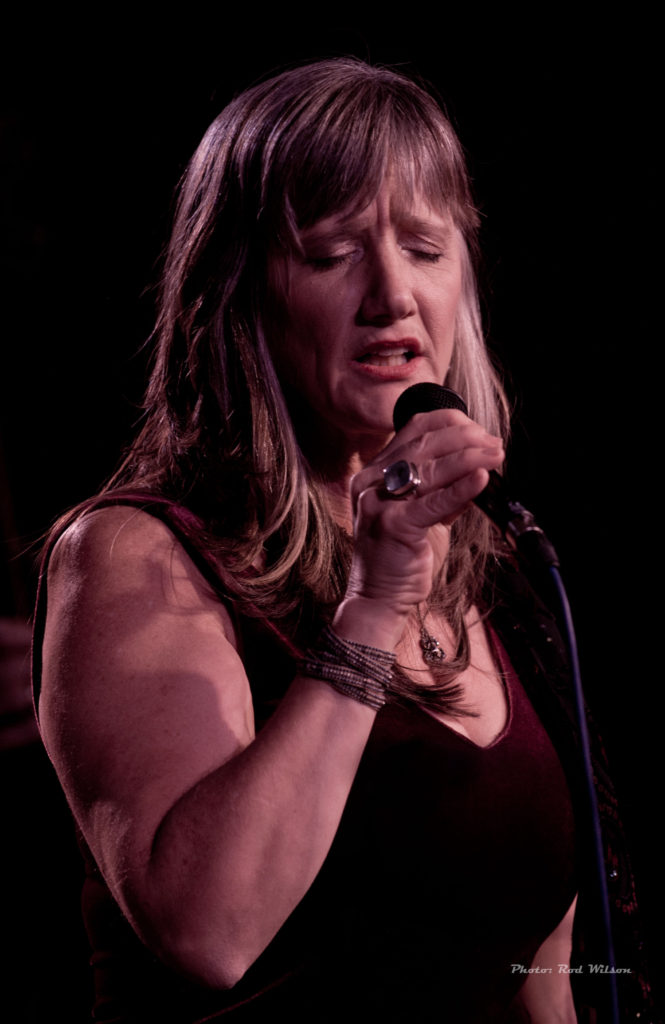
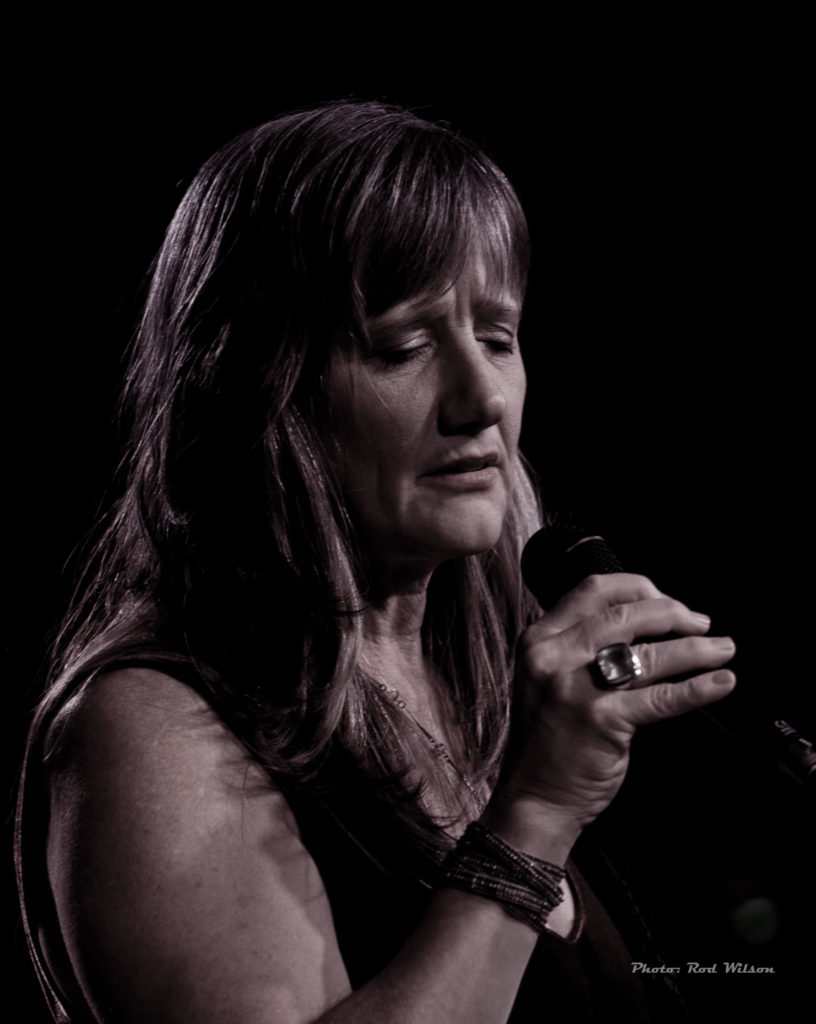
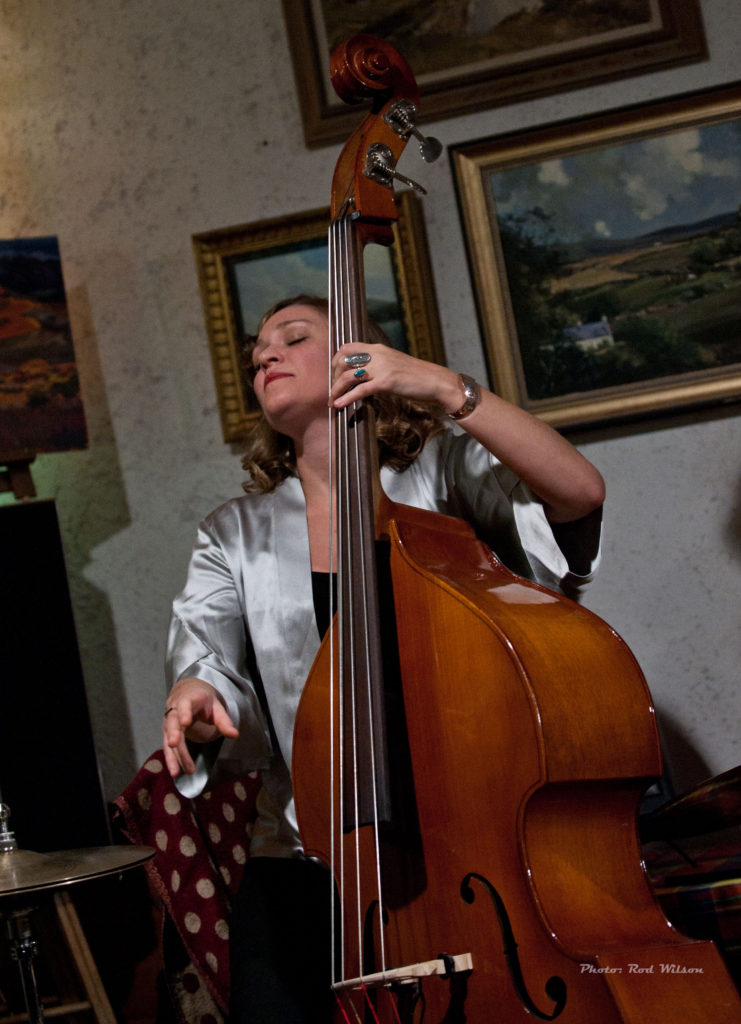
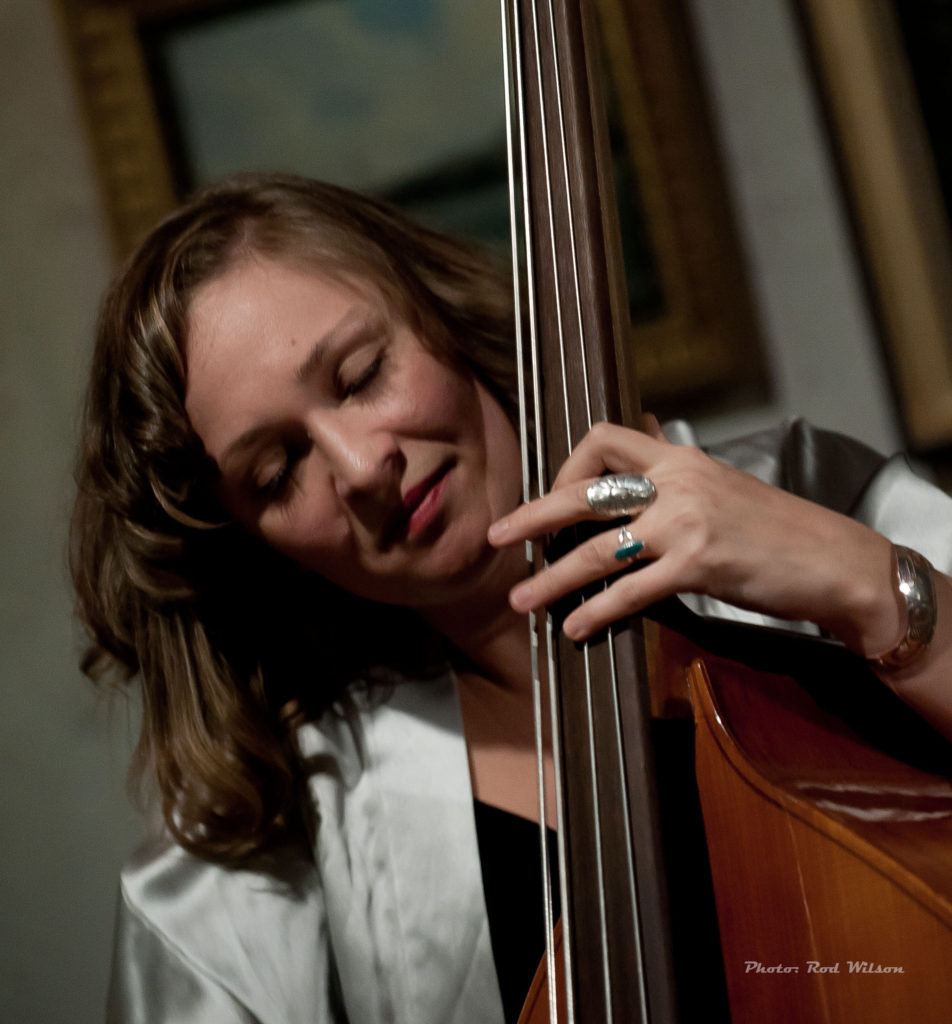
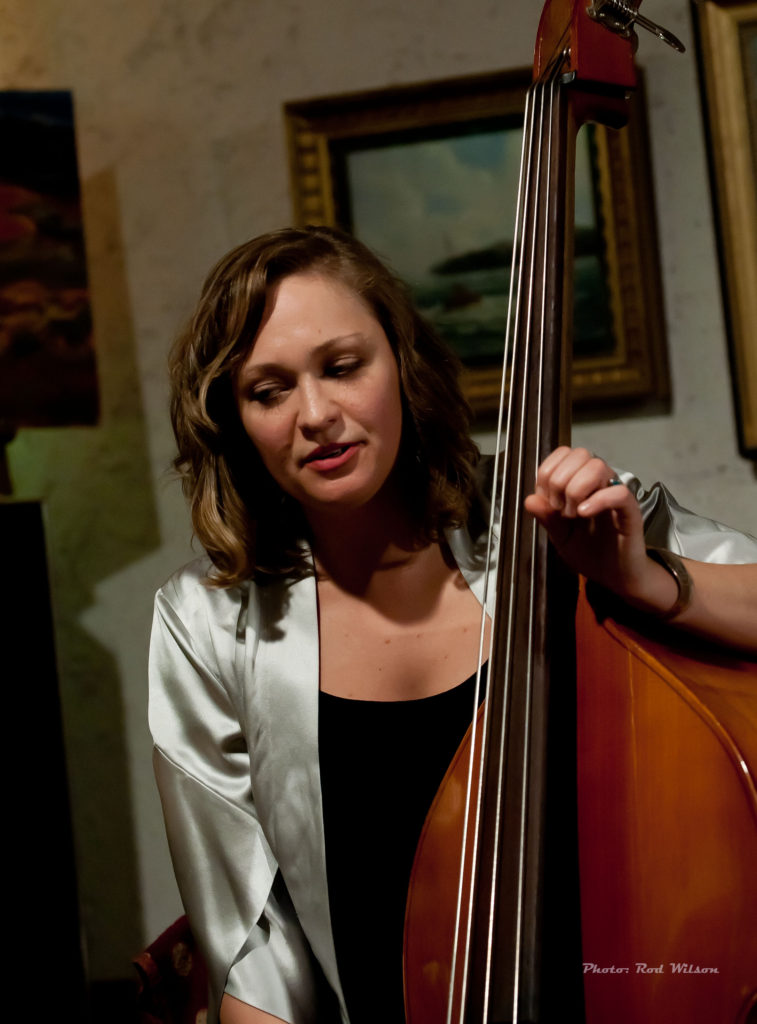
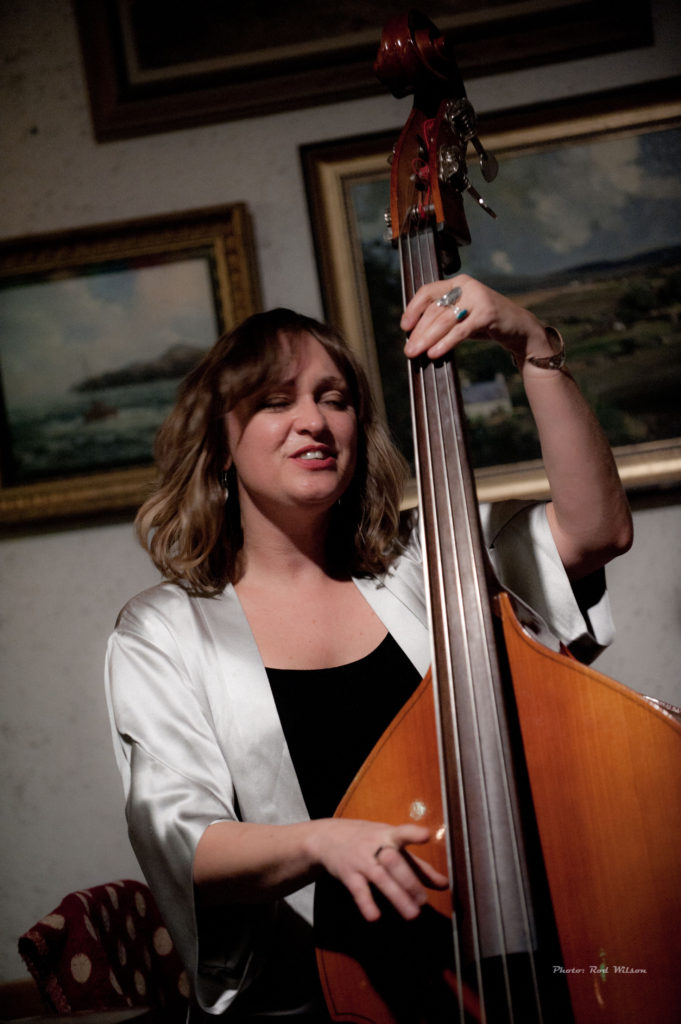
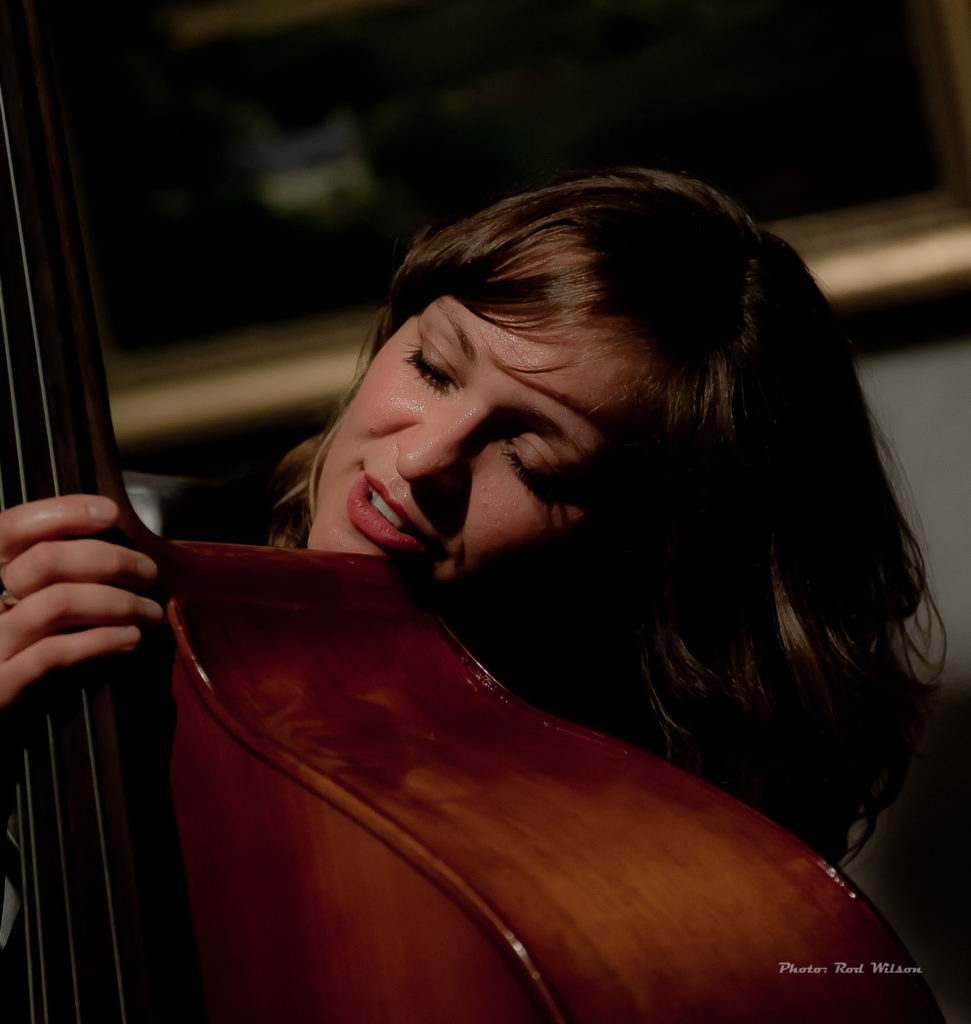
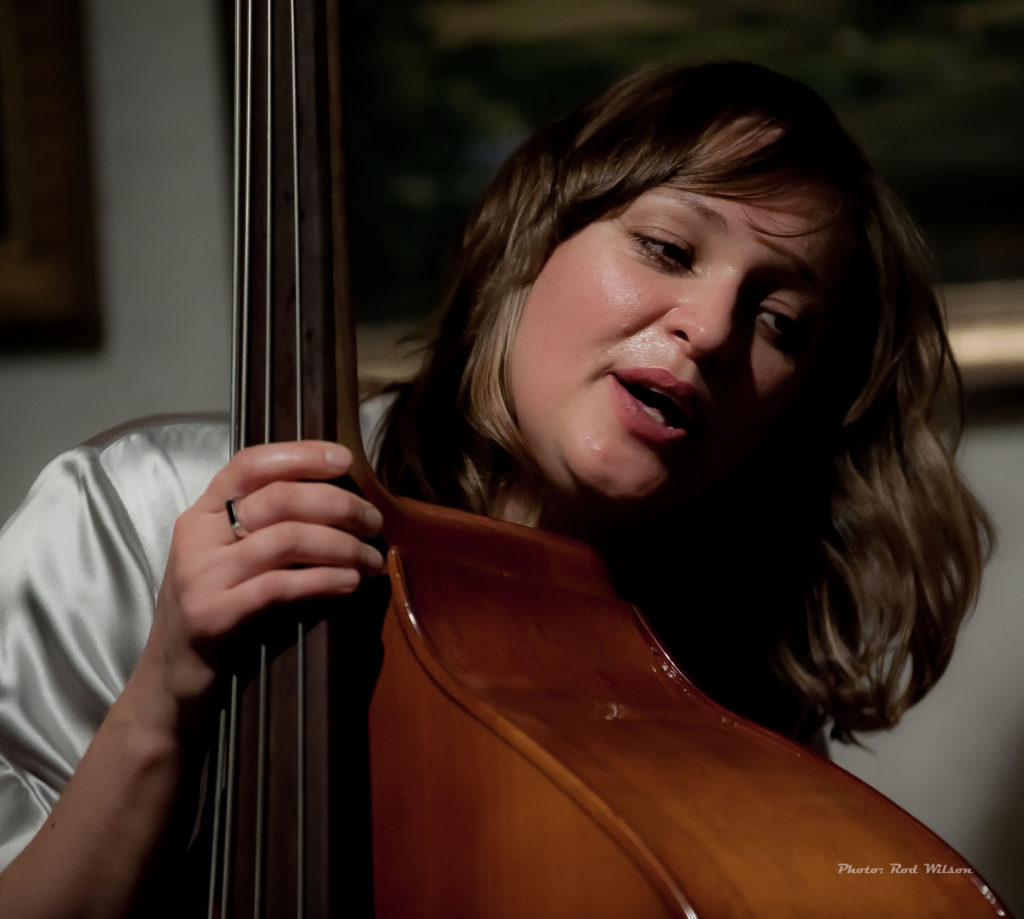
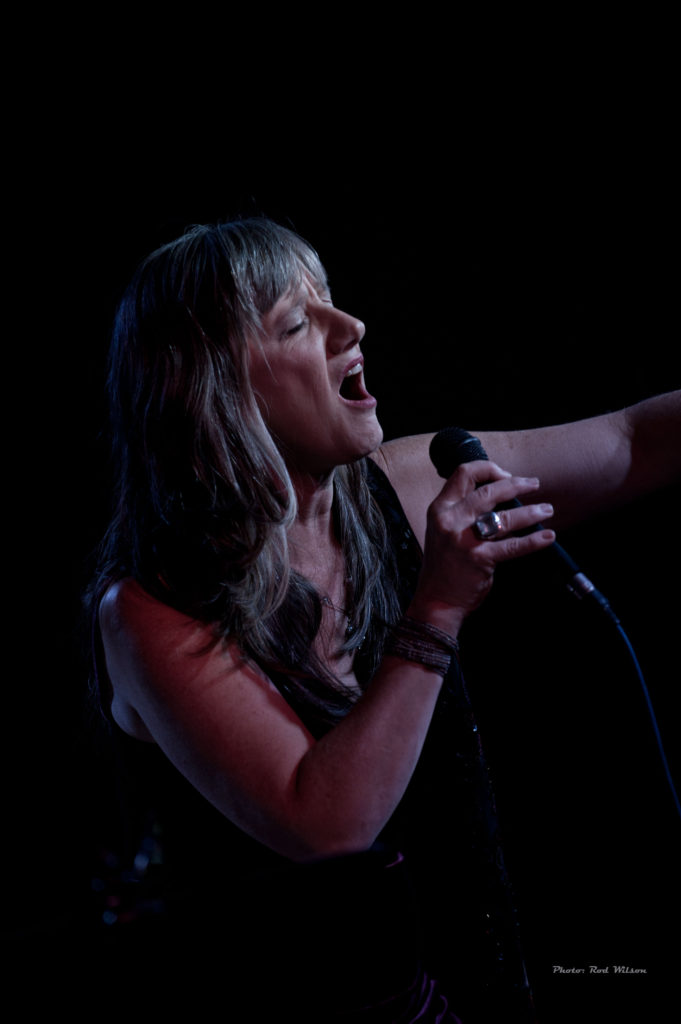 Her musical co-conspirators are no less impressive. As any good vocalist will tell you a good
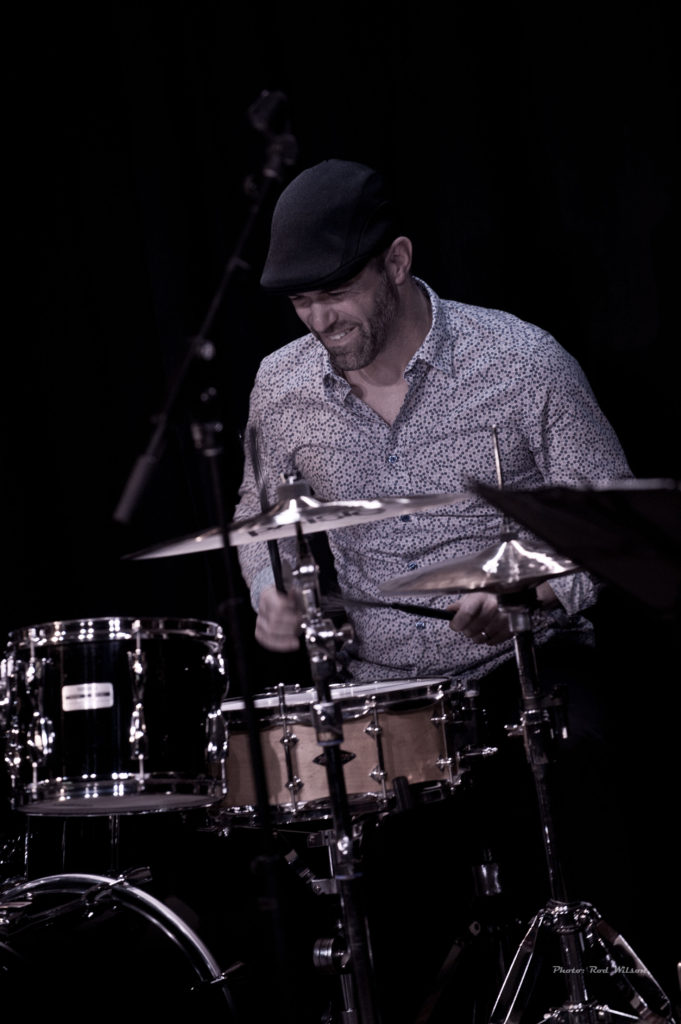
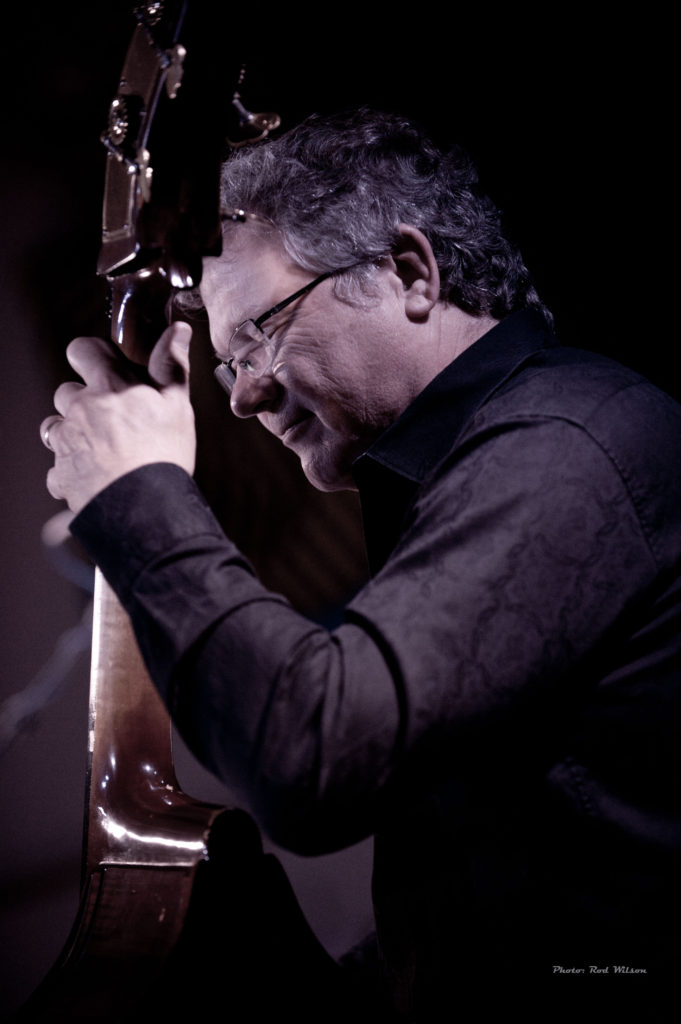
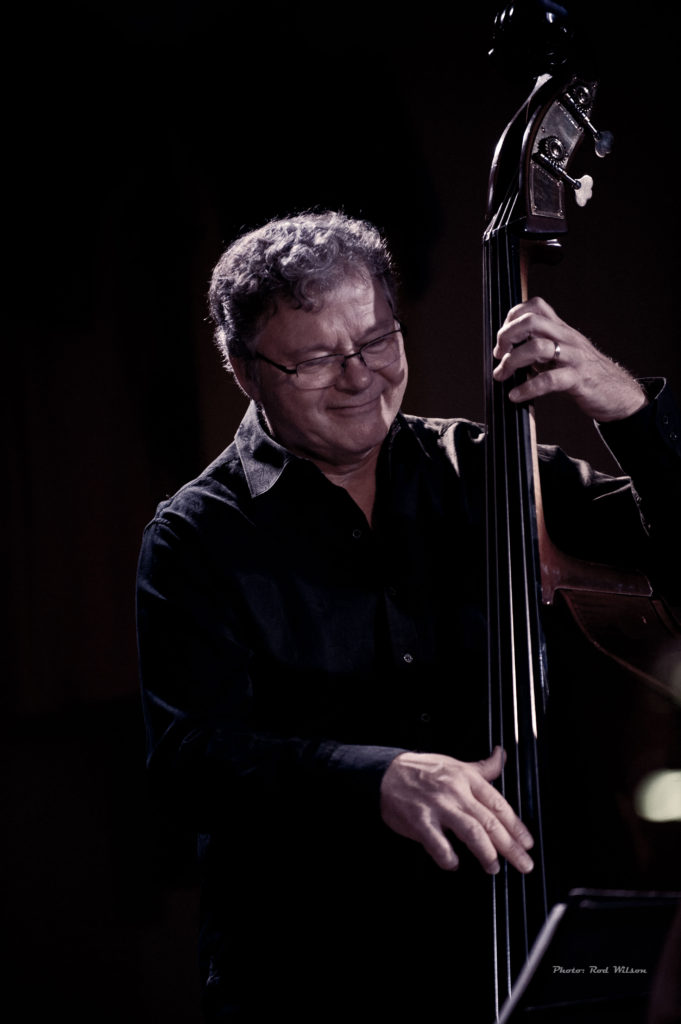
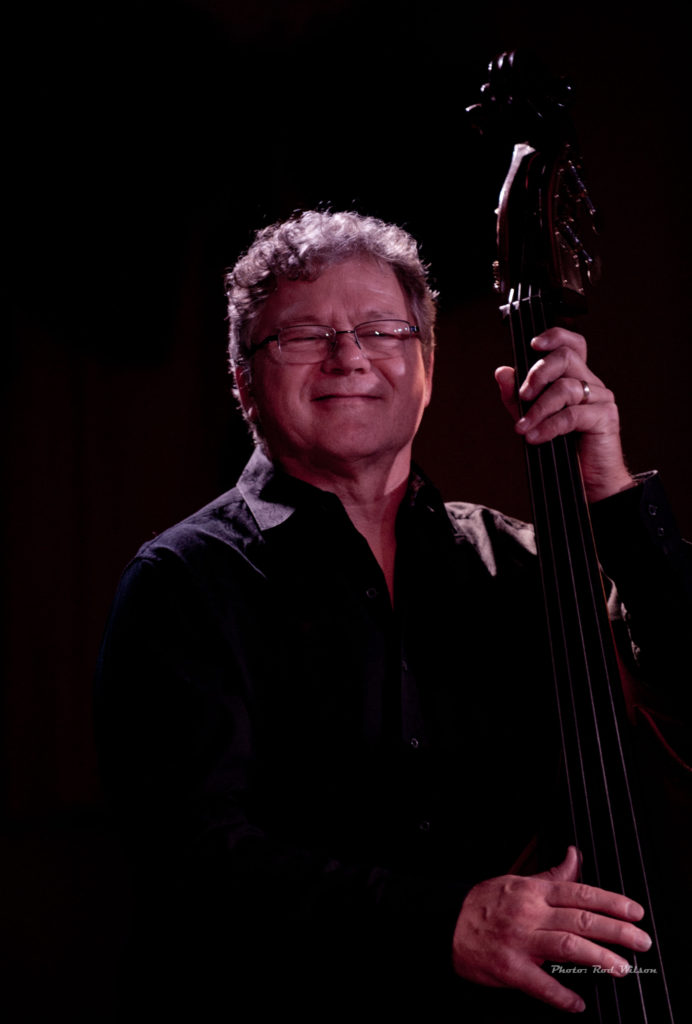
 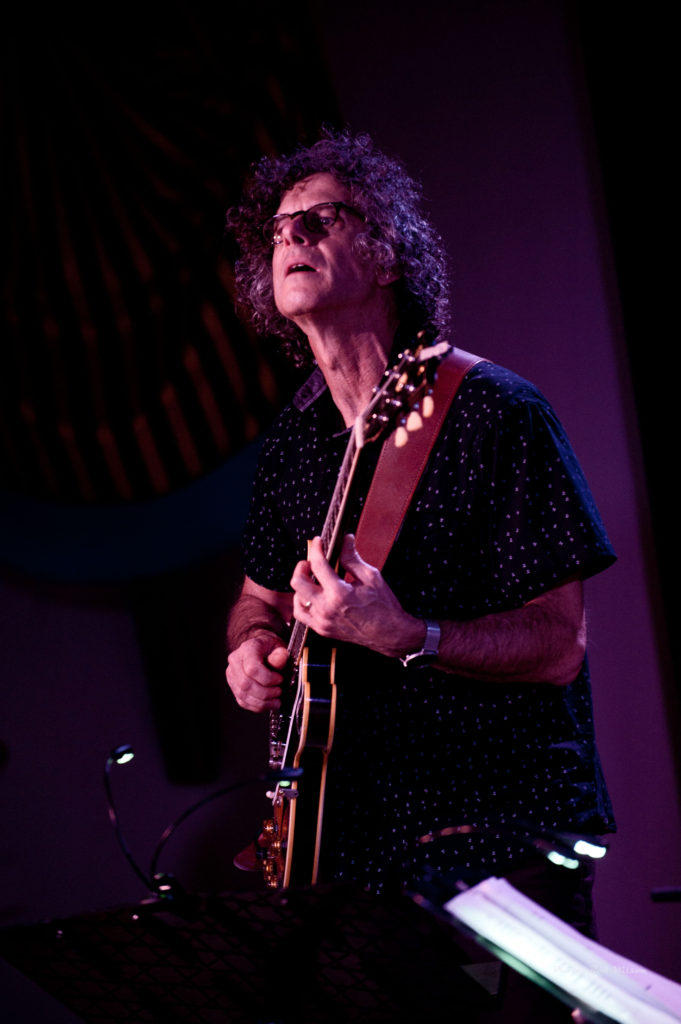 accompanist is hard to find so when you find one you hang onto him and there is no better way than to marry him. Paul Landsberg is that accompanist. The two other members of the trio should be named “The Dynamic Duo”. The drummer Tony Ferraro is a full spectrum performer who can drive a big band into the stratosphere (The Chicago Tribute Band), or dig into funky Latin Grooves with the Gabriel Palatchi Trio or, as in this performance, play whisper soft brushes behind a vocalist. Tony has performed many time in this area. Doug Stephenson is adept on funky electric bass in the context of the Gabriel Palatchi Trio or adding his beautiful bass lines to any acoustic performance.